


How can I recognise a high-quality pair of glasses?
Glasses are worn every day, often for many years. They should look good, feel comfortable and stand up to the demands of daily life. Quality is therefore not defined by one single feature. It comes from the material, construction, workmanship, adjustability and service. Many differences can be seen on closer inspection. Others only become apparent when you hold the frame in your hands or wear it over time.
1. The surface feels consistent
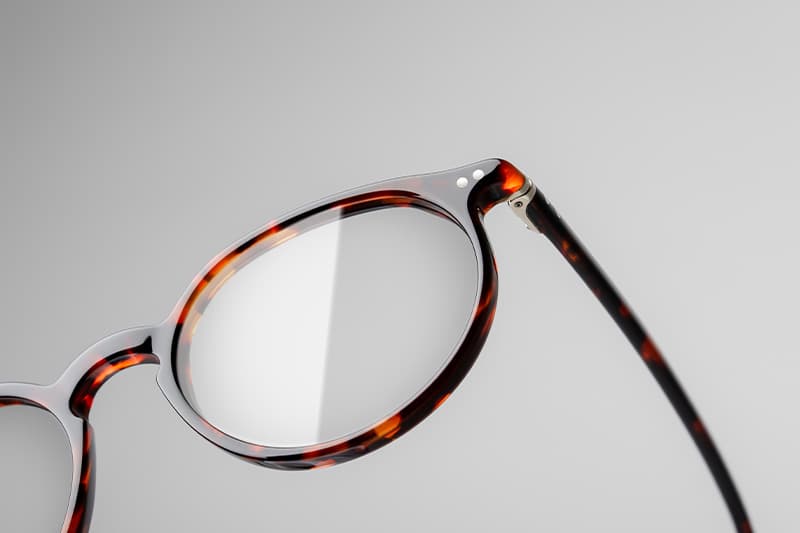
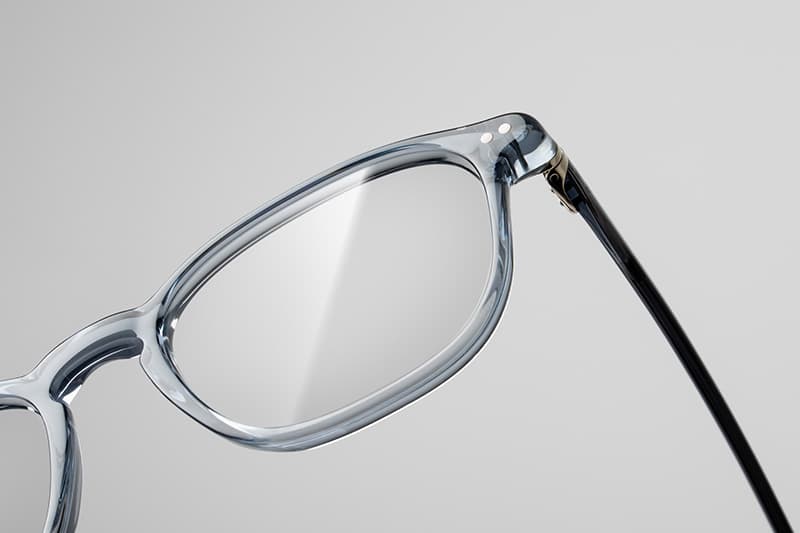
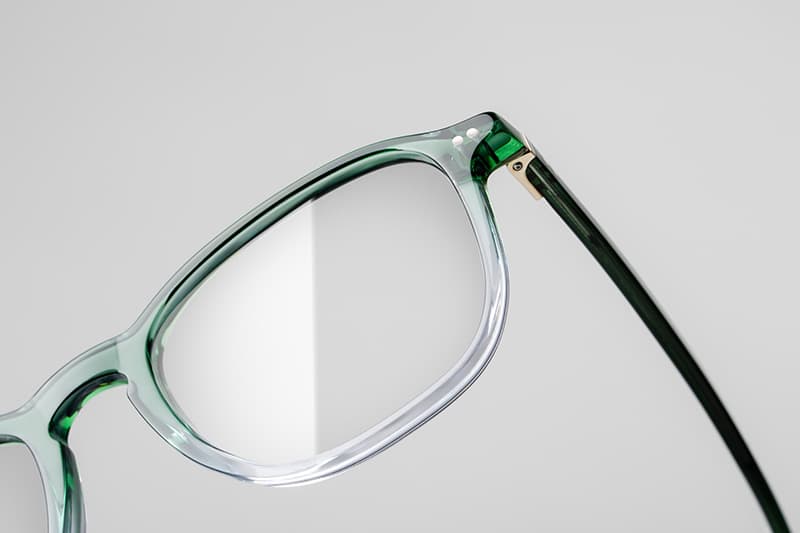
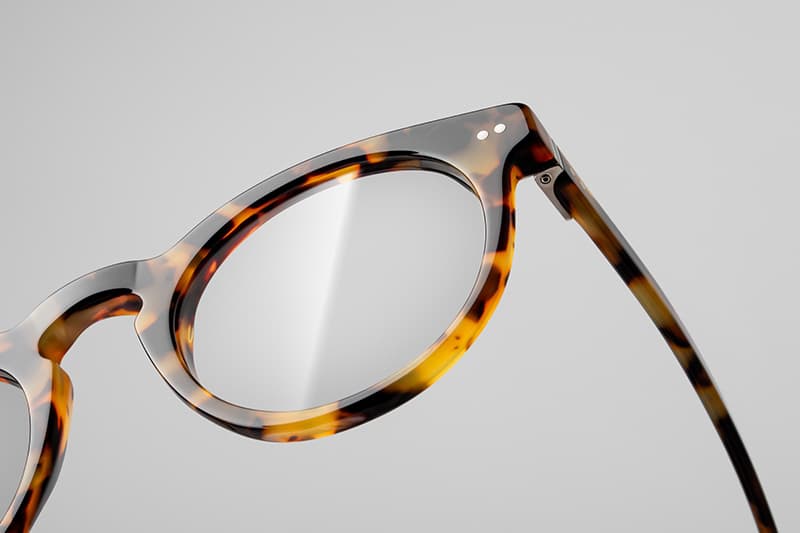
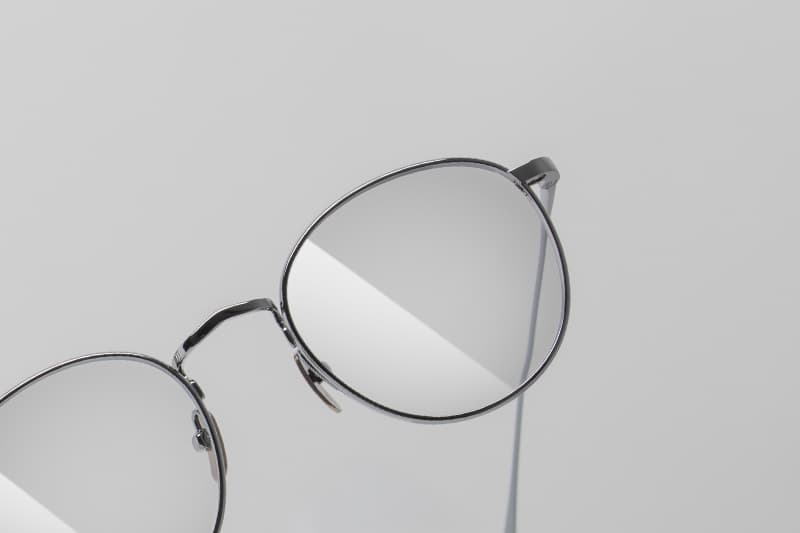
Run your finger carefully over the temples, rims and transitions. Well-finished surfaces feel even and pleasant to the touch. Edges are cleanly worked, the polish or matte finish appears controlled, and transitions feel intentional. With acetate, careful polishing is particularly demanding. Glossy surfaces should have a calm, deep appearance. Matte surfaces need an even texture and, later on, the right care.

2. The construction is precise
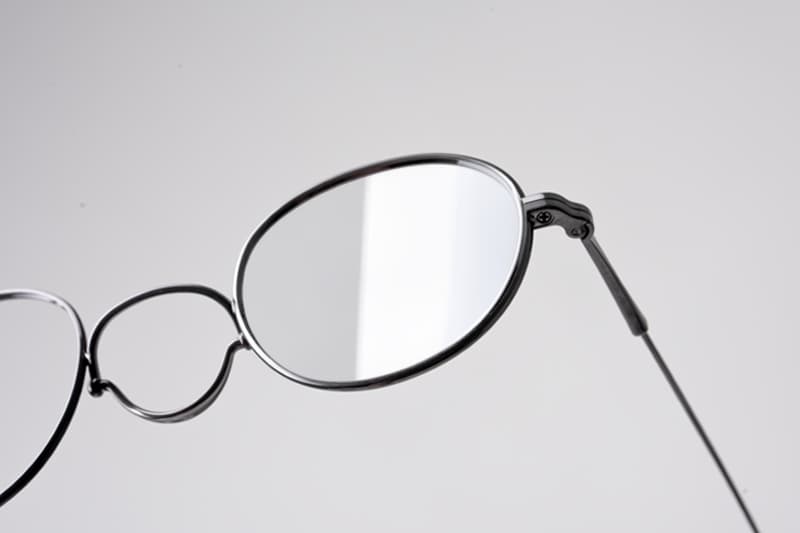
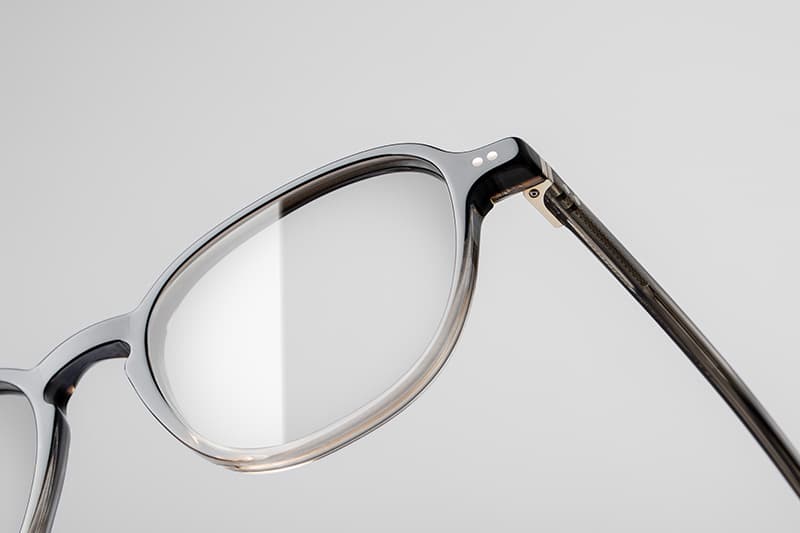
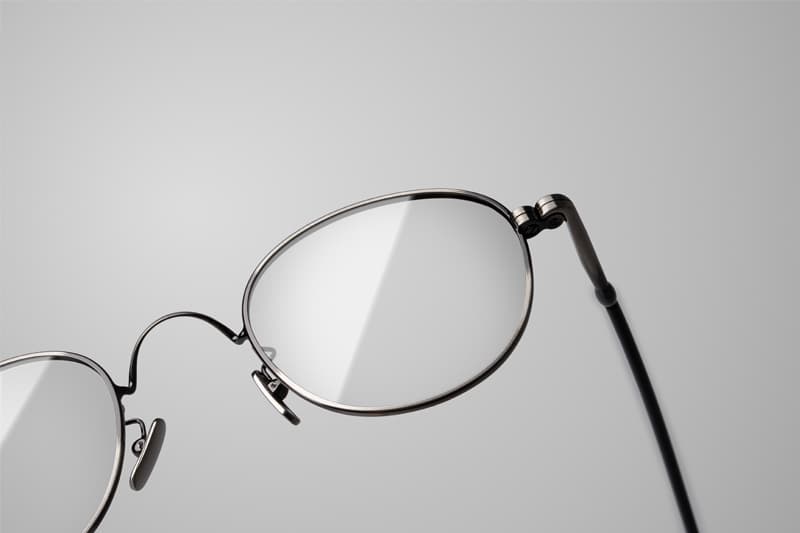
Open and close the temples. The movement should feel controlled and even. Nothing should wobble, scrape or make noticeable cracking sounds. Hinges are components under considerable strain; their construction and precise assembly have a major influence on the life of a frame. A functionally riveted hinge is one example of an elaborate connection that is easy to repair. But quality can also be found in other structural solutions. What matters is that design and function work together.

3. Details serve a purpose
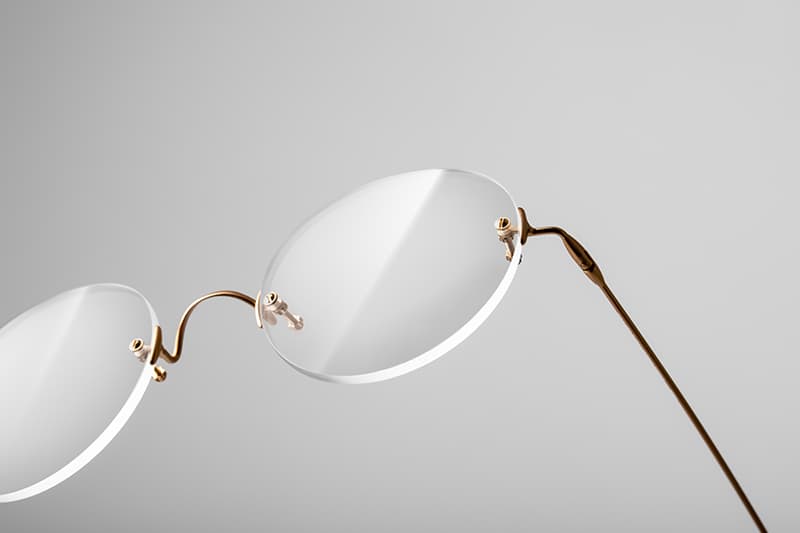
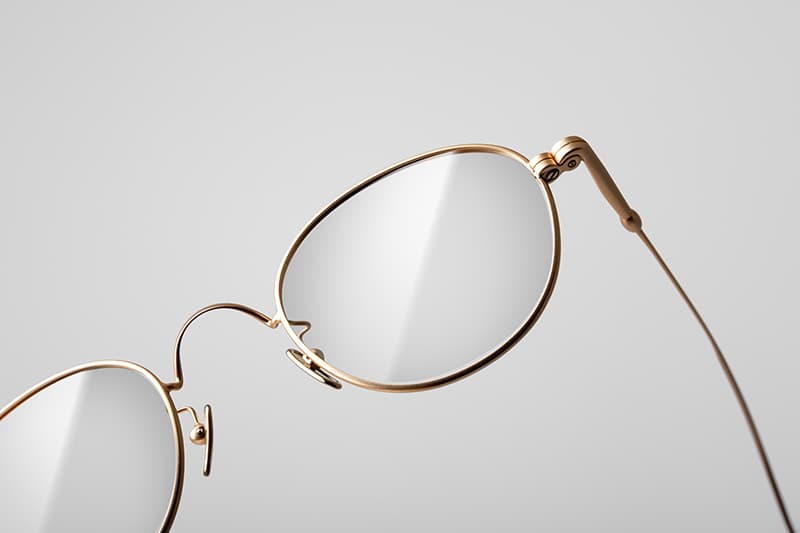
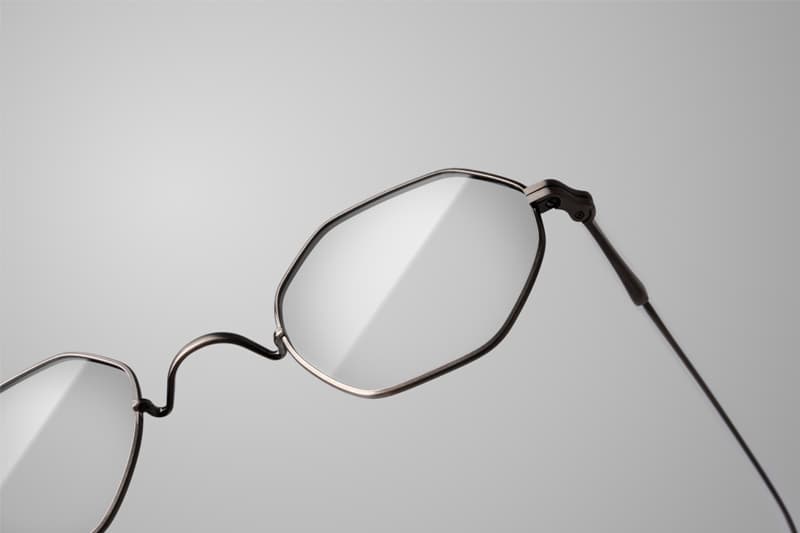
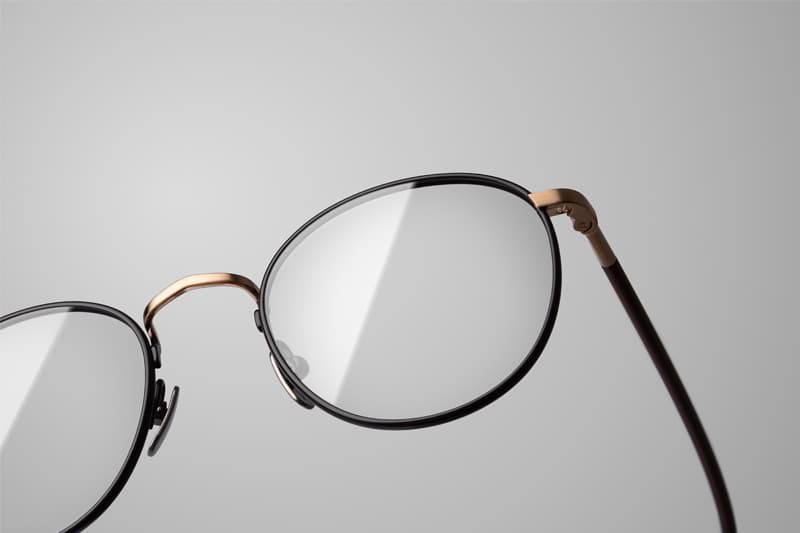
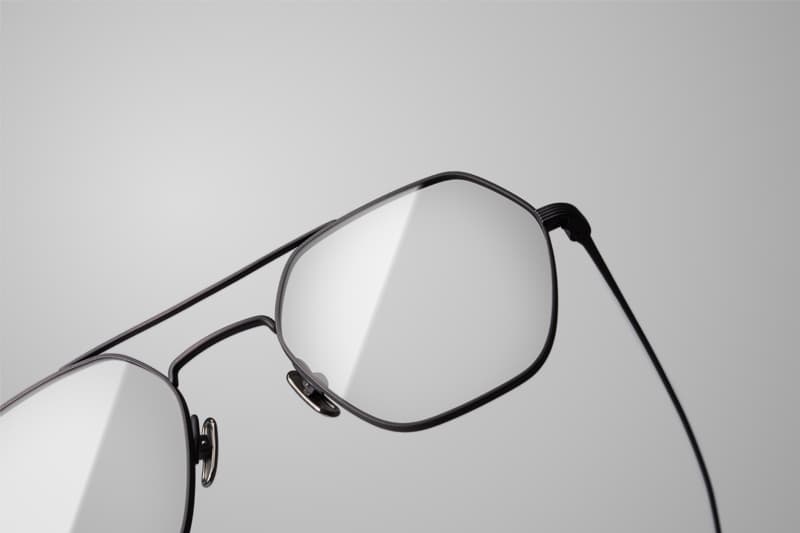
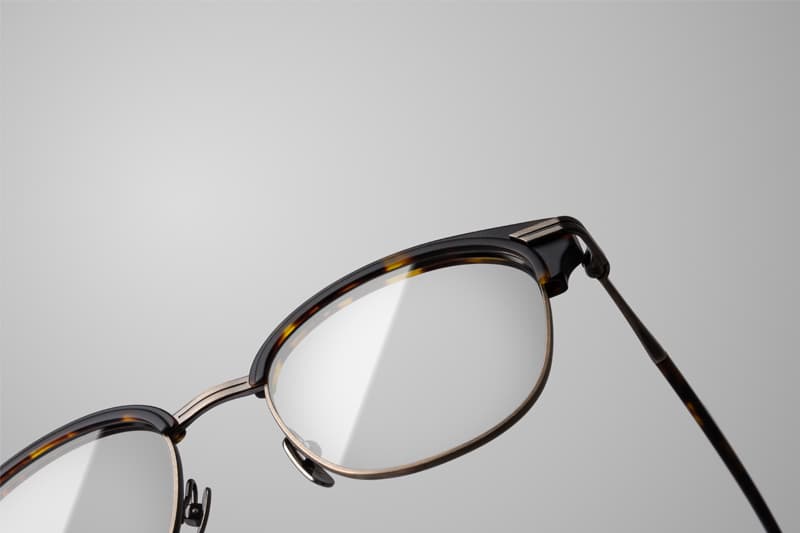
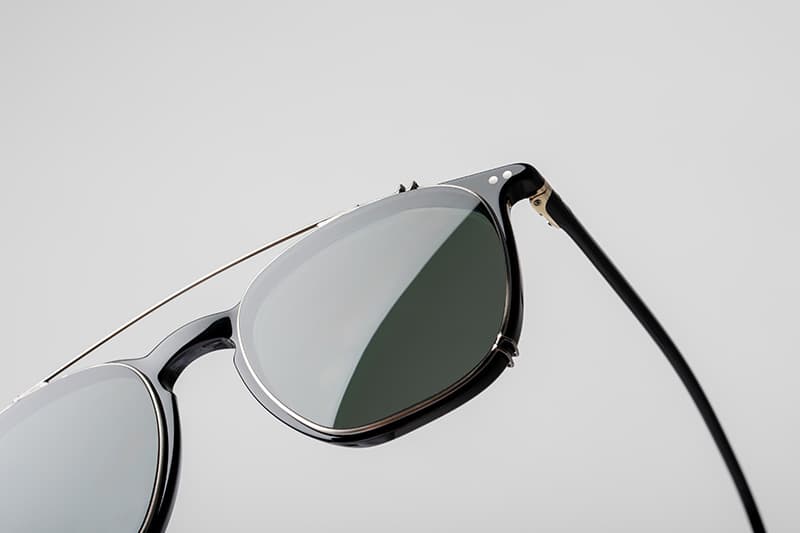
Good design often reveals itself in details that are barely noticeable: a neatly integrated closing block, a comfortably shaped temple tip, precise nose pads or a connection that works technically without interrupting the line of the frame. In a high-quality frame, a detail is never mere decoration. It contributes to function, comfort or durability.

4. The material suits the construction
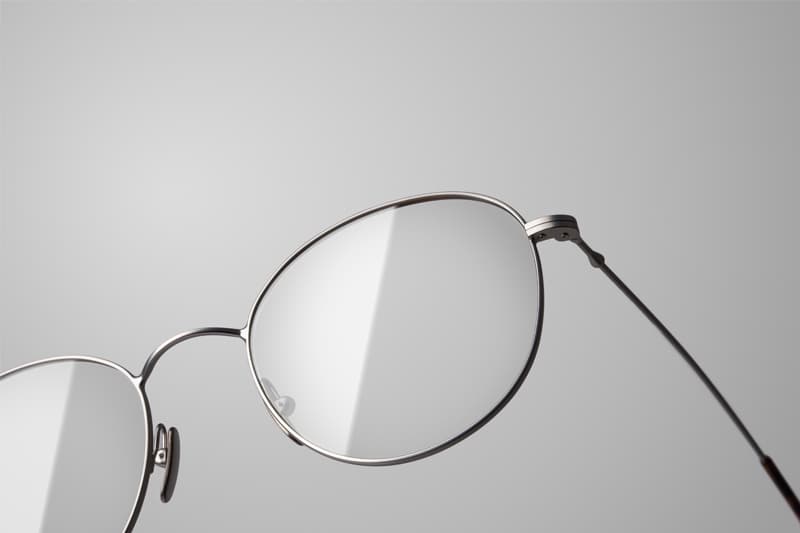
Acetate, stainless steel, titanium and natural horn all have different properties. Quality does not mean that one of these materials is inherently better than another. What matters is whether the chosen material has been carefully worked. Acetate offers great creative freedom and can be individually adjusted. Stainless steel allows for constructions that are both stable and delicate. Titanium combines low weight with high resilience. Natural horn is a material with distinctive character, but it places particular demands on production and care.
Ask your optician about origin, workmanship and care. A manufacturer with transparent processes should be able to provide reliable information about its materials.
5. The glasses can be professionally adjusted
A good frame is not only pleasing to look at. It must be possible to adjust it to its wearer. The temples, nose fit and inclination all influence how securely and comfortably the glasses sit. Adjustment belongs in experienced hands. The optician takes into account the shape of the head, the ears, the bridge of the nose and the lenses that will later be fitted. A high-quality product and a professional adjustment therefore belong inseparably together.
6. Spare parts and repairs are considered from the outset
Longevity does not end at the point of purchase. Even a carefully made pair of glasses may need a new hinge component, temple or nose pads after years of wear. Ask whether spare parts are available and how repairs are handled.
As a rule, Lunor keeps spare parts available for many older models as well. Repairs are handled through the optician, who can then adjust the glasses correctly again afterwards.
7. Timeless design extends the life of the frame
Technical durability alone does not make a long-term companion. A pair of glasses should also have lasting design value. Balanced proportions, clear lines and a colour you feel comfortable with over time are therefore part of its quality. Timeless does not mean inconspicuous. A frame with character can remain relevant for years if its design comes from a clear idea rather than serving a short-lived effect.
8. Origin is explained in a traceable way
General promises about origin say little about the individual steps involved. Transparency is more meaningful: where is each material processed? Which manufactory has the right expertise? How is quality controlled?
At Lunor, all acetate frames are made at several locations in Germany. The stainless steel frames are produced exclusively in our own manufactory. For special materials, Lunor also works with selected manufactories in Japan and Switzerland.
FAQ
Is a handmade pair of glasses automatically high quality?
Handwork allows for exceptional care and complex details, but it is not proof of quality in itself. Material, construction, control and service are just as important.
Which eyewear material is the highest quality?
There is no single best material. High-quality acetate, stainless steel, titanium and natural horn each have their own strengths and must be designed and worked accordingly.
Can a high-quality pair of glasses be repaired?
Many high-quality frames can be repaired. An optician will assess what is possible based on the model, material and damage.
A high-quality pair of glasses does not prove itself through one conspicuous feature. It convinces through the way everything works together — ideally, for many years after the first time you put it on.
Author

Head of Marketing

Newsletter
Werde Teil der #Sloweyewear Community und melde dich für unseren Newsletter an.

Concierge
To your glasses in a few steps
The eyewear concierge guides you to the right frame in three questions.