
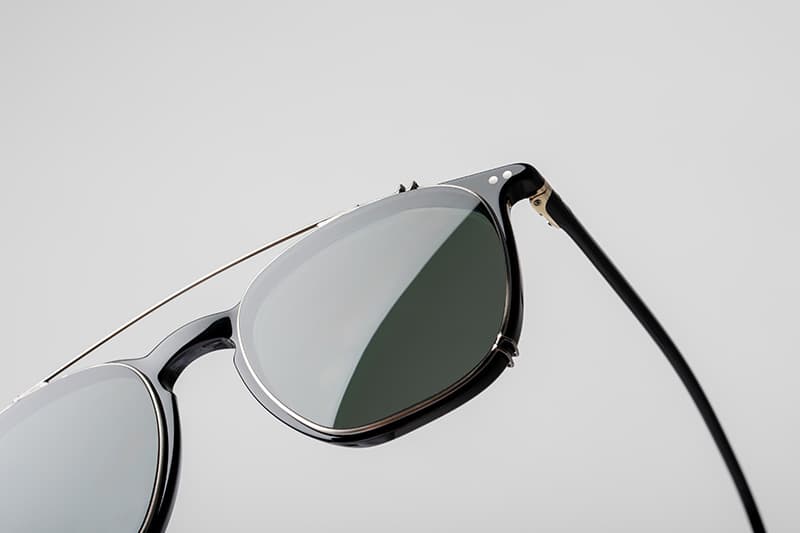

Eyewear trends with substance: what remains when the trend fades?
Eyewear trends come in waves. Oversized shapes give way to slim silhouettes, bold colours to transparent tones, glossy surfaces to matte finishes. Yet glasses are not a garment that disappears into the wardrobe after a season. They sit on the face every day — often for years.
So which developments have the potential to last? Not every new idea is short-lived. Substance emerges when a trend brings a strong design idea into focus.
Timeless does not mean neutral
A timeless pair of glasses does not have to be invisible or cautious. Even a distinctive frame can remain relevant for years. What matters is whether its proportions are balanced, and whether the design offers more than a fleeting element of surprise.
Timeless design leaves room for personality. It has character without overpowering the wearer. Often, it is clear lines, carefully placed details and a harmonious choice of material that allow a frame to feel natural even years later.
Retro lasts when it is reinterpreted
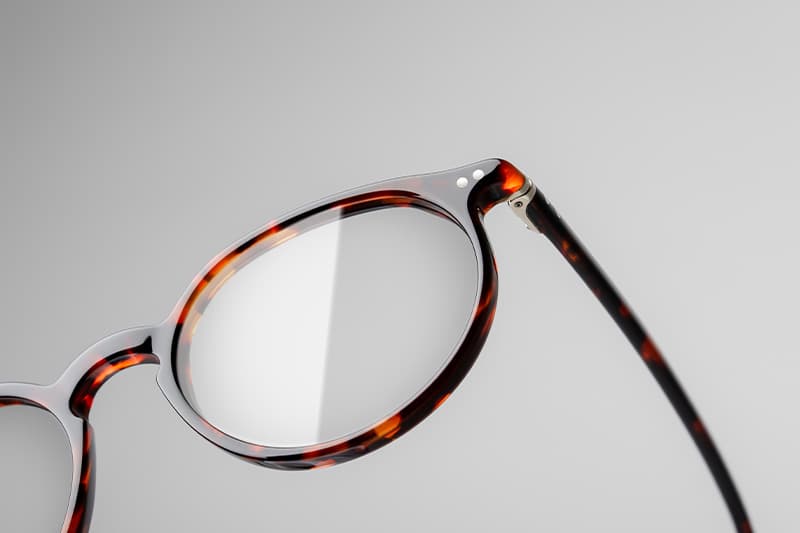
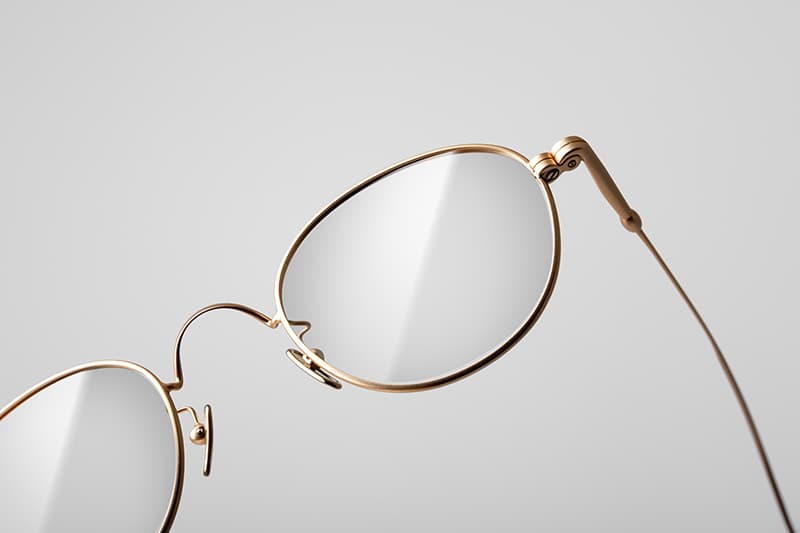
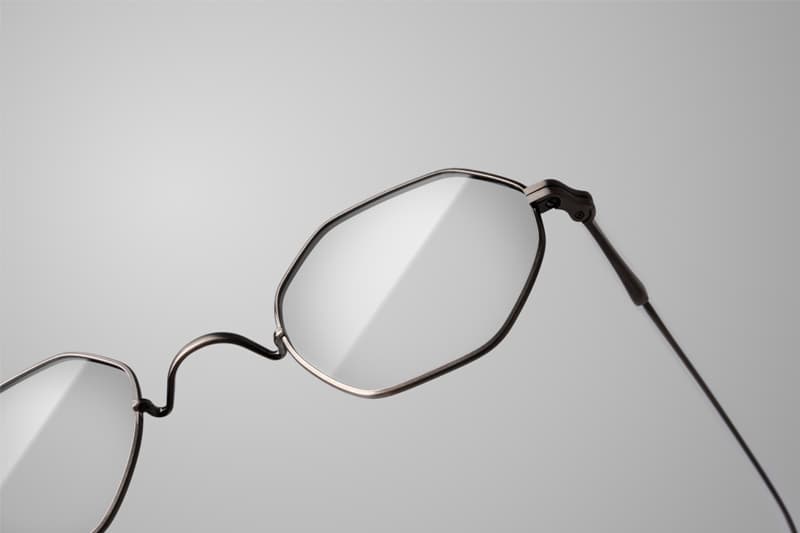
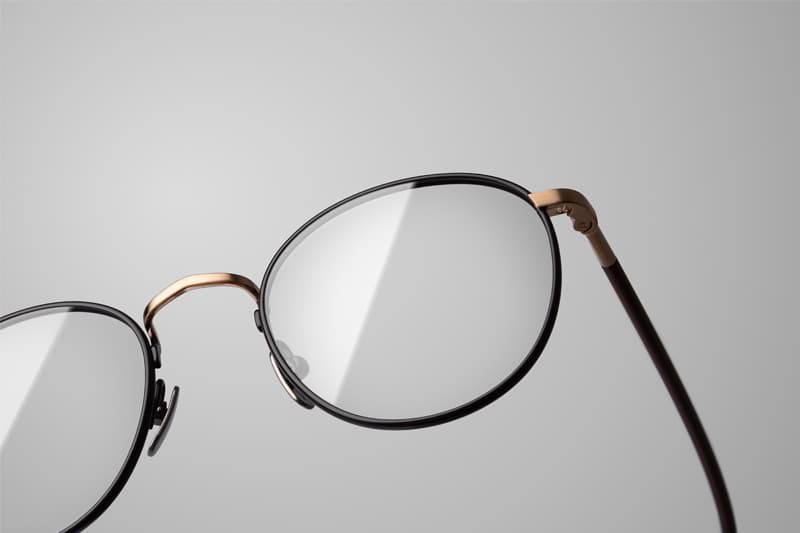
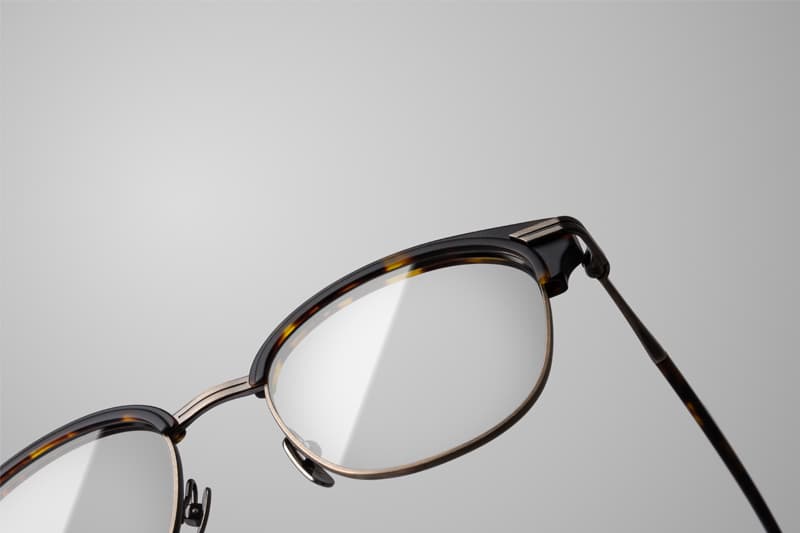
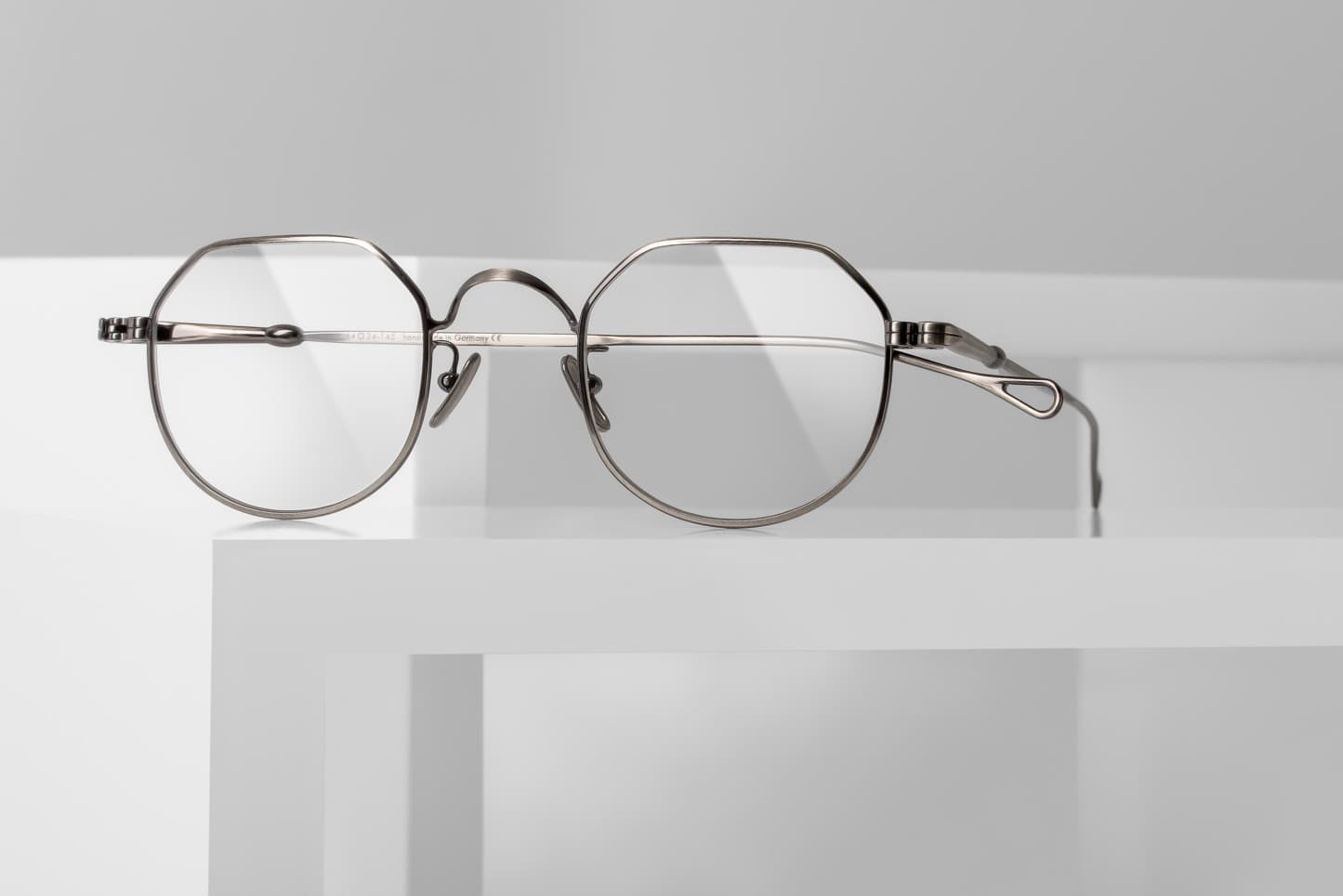
Round metal frames, panto shapes and distinctive acetate styles draw on a long history of eyewear design. Their return is no coincidence: good fundamental shapes can be interpreted again and again.
Substance arises when historical design is not simply copied. Adjusted proportions, modern materials and more precise construction can turn a familiar shape into something with its own identity. Retro then becomes not a costume, but a connection between heritage and the present.

Restraint as a counterpoint
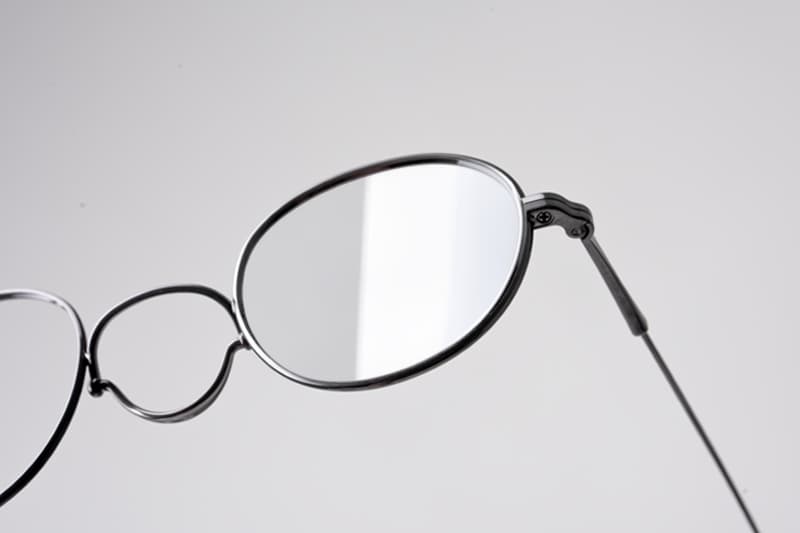
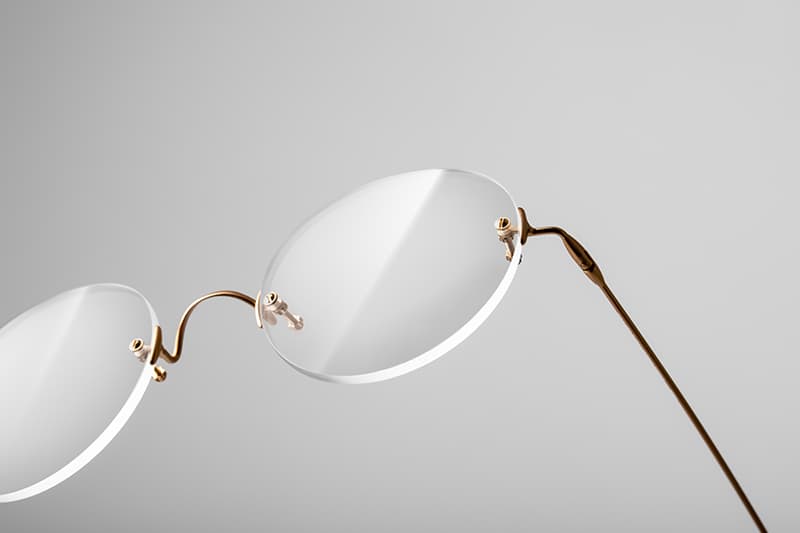
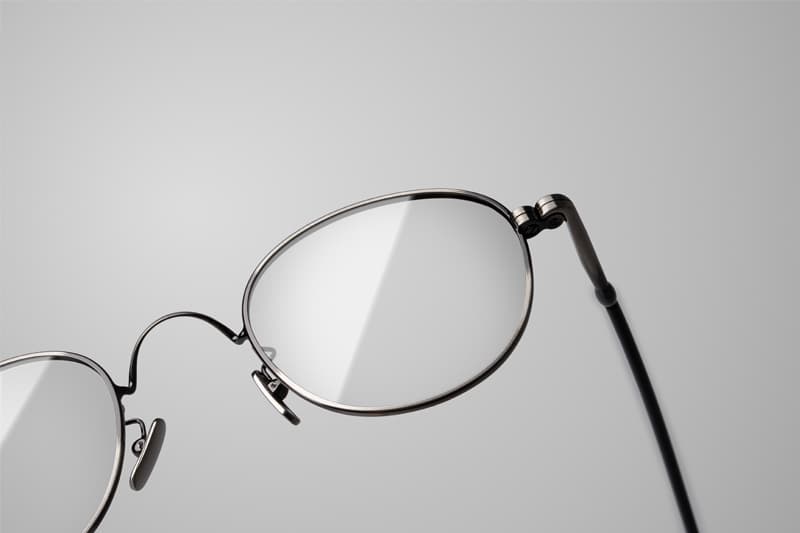
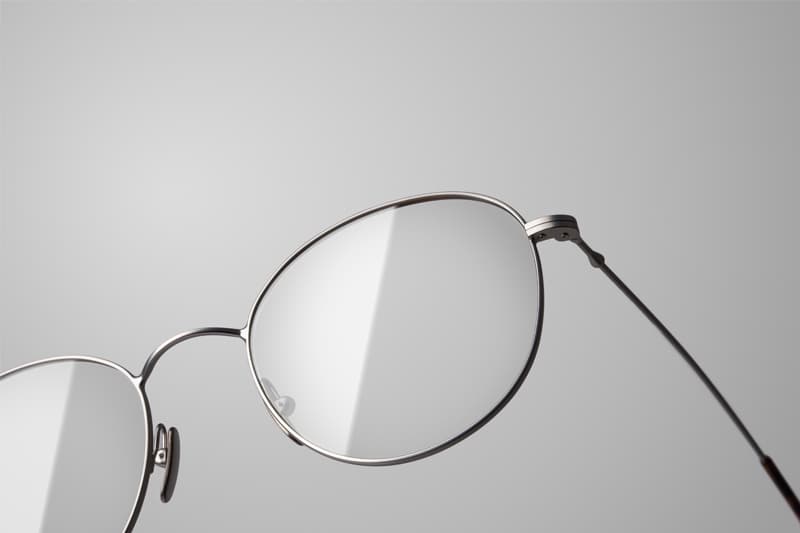
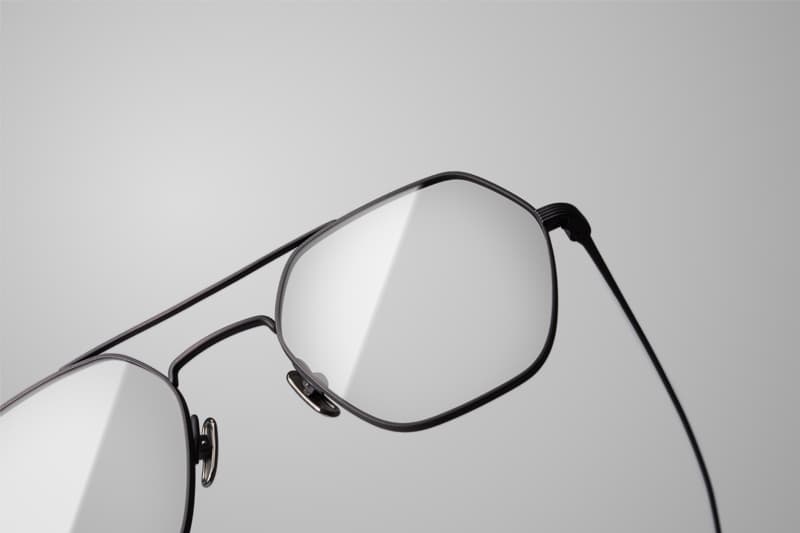
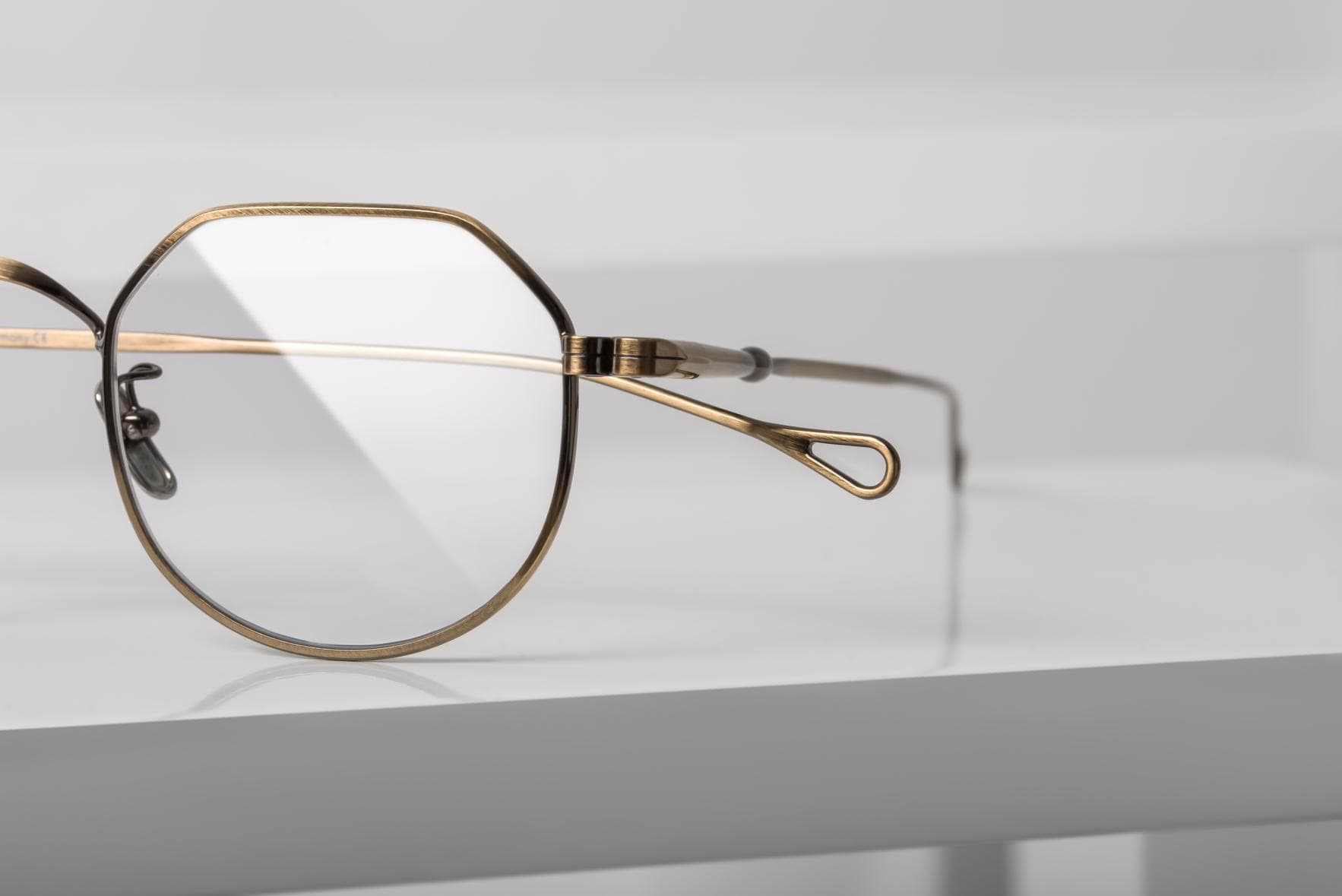
In a visually loud world, there is a growing desire for objects that do not constantly compete for attention. Fine metal frames, understated colours and clean, considered construction answer this need.
Restraint does not mean an absence of design. On the contrary: the fewer elements a frame has, the more important its proportions, lines and craftsmanship become. A single millimetre can make the difference.

Colour with a long view
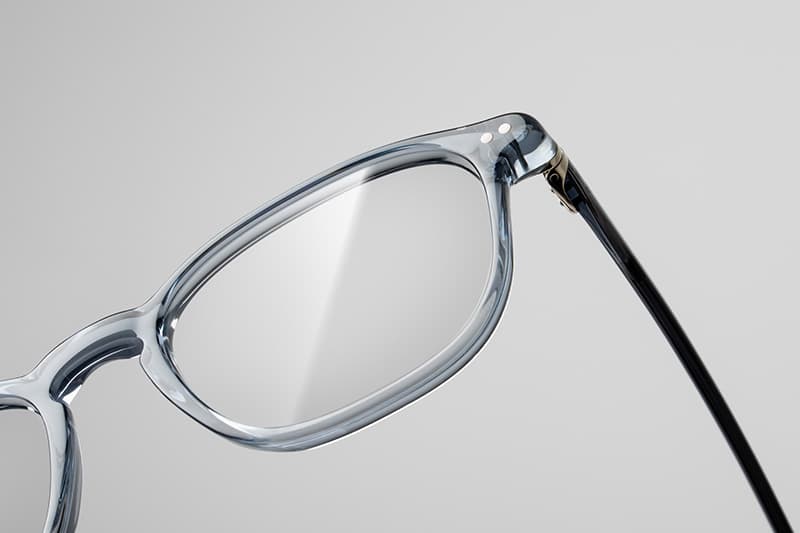
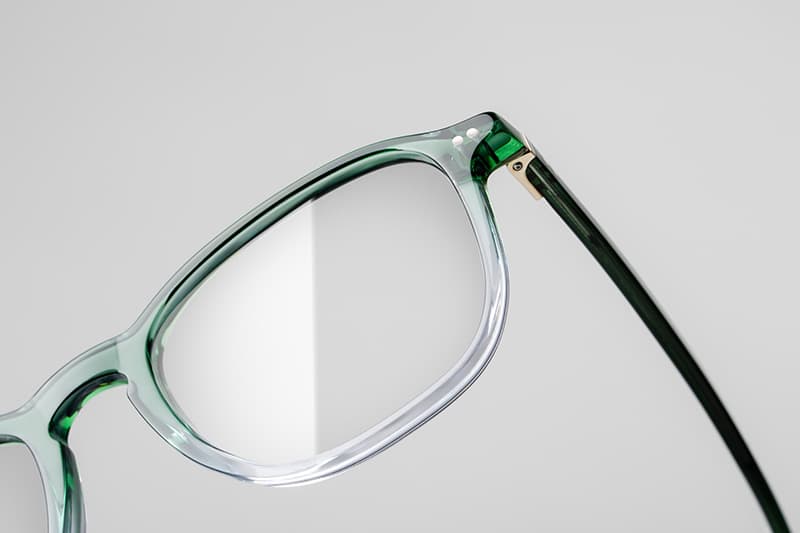
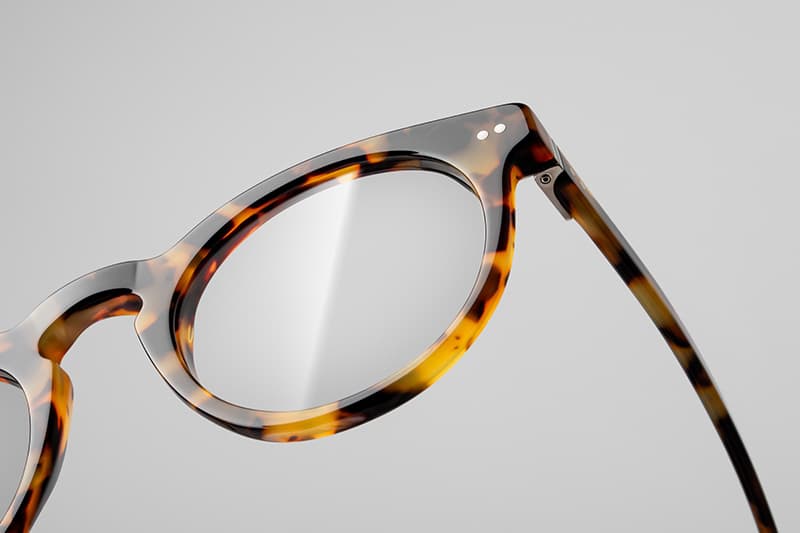
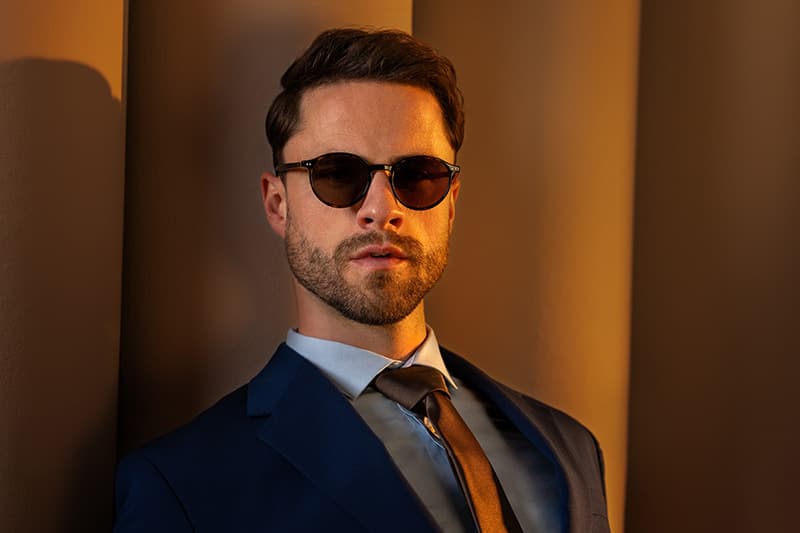
Colour is personal. Classic shades such as black, Havana, gold or silver endure because they work in many contexts. Yet jade, ink blue or a warm rosé can also become long-term companions when they are chosen for the person, not just the season.
So do not ask only which colour is being seen everywhere right now. Ask which nuance you would like to wear at the centre of your face — on ordinary days as much as on special occasions.

Material should be visible
A sustainable relationship with products often begins with appreciation. Materials whose surface, weight and origin can be understood create a different connection with the object.
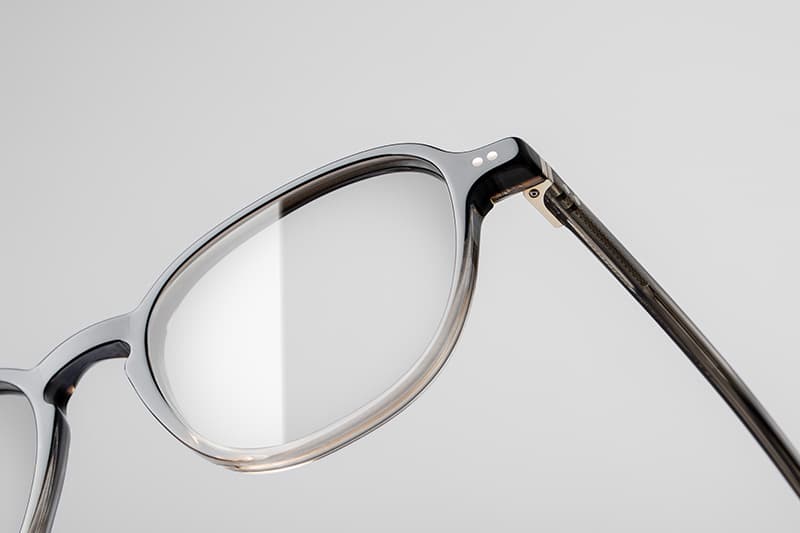
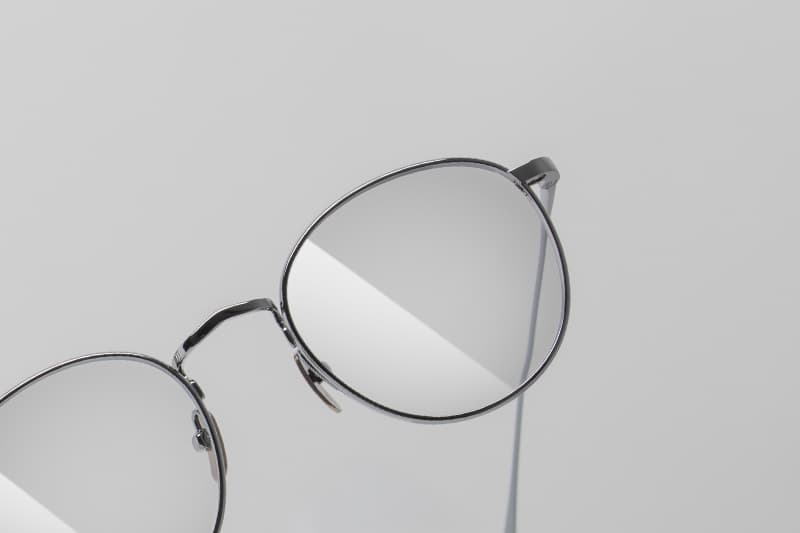
Acetate reveals depth, colour gradients and hand-finished surfaces. Stainless steel allows for fine, precise lines. Titanium makes resilient constructions remarkably light. When a design uses the qualities of its material rather than concealing them, it usually offers more than a moment in fashion.

The most personal choice lasts longest
The most reliable counterpoint to fast fashion is a conscious decision. A pair of glasses that suits your face, your everyday life and your sense of self does not automatically lose its value just because a new shape takes centre stage.
So try trends as possibilities, not prescriptions. Perhaps a current colour leads you to a shade you will love for years. Perhaps the return of larger shapes brings you to a frame that expresses your personality more clearly. The trend can be the starting point — the decision should remain your own.
Slow Eyewear as an attitude
Slow Eyewear means thinking about design and manufacture with the long term in mind. Glasses should not be replaced as quickly as possible. They should be well designed, carefully made, expertly fitted and, when needed, maintained.
That is less spectacular than a constantly changing trend. But it is the foundation of a favourite pair of glasses.
Author

PR Managerin
More from the Journal

How can I recognise a high-quality pair of glasses?
Woran erkennst du eine hochwertige Brille? Entdecke die wichtigsten Merkmale bei Material, Verarbeitung, Passform und langfristigem Service.

Newsletter
Werde Teil der #Sloweyewear Community und melde dich für unseren Newsletter an.

Concierge
To your glasses in a few steps
The eyewear concierge guides you to the right frame in three questions.