


Which frame shape suits my face shape?
Face shape is a useful starting point when choosing glasses. It shows which lines are already present in your face, and how a frame can echo them or deliberately alter their effect. But it is not a rule: almost every face is an individual blend of shapes, and personal expression matters more than any fixed typology.
How to determine your face shape
Stand in front of a mirror in even light and keep your hair away from your face. Look at the outline from the hairline, across the cheeks and jaw, down to the chin. Focus on three questions:
1. Is your face more long than wide, or roughly as wide as it is high?
2. Where is the widest point — the forehead, cheeks or jaw?
3. Do the contours appear soft, straight or tapered?
If you cannot clearly place yourself in one category, that is entirely normal. Use the following shapes as a guide, and above all consider which description comes closest to your proportions.
Glasses for an oval face

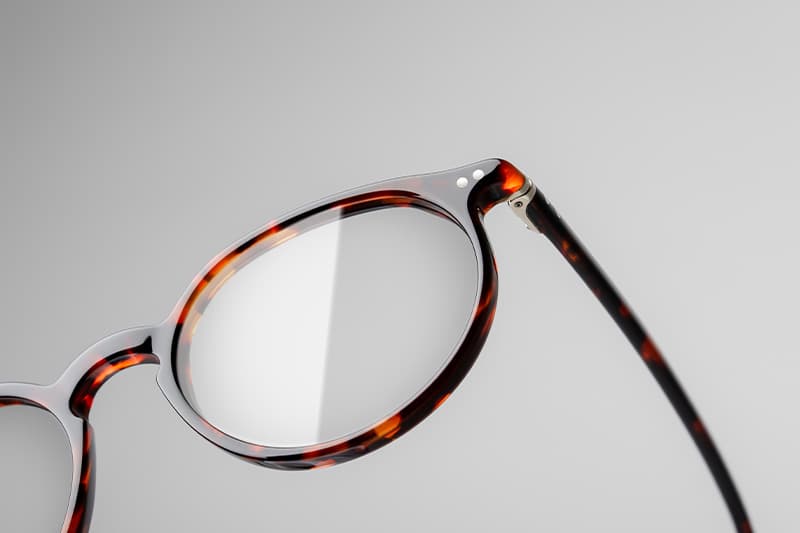
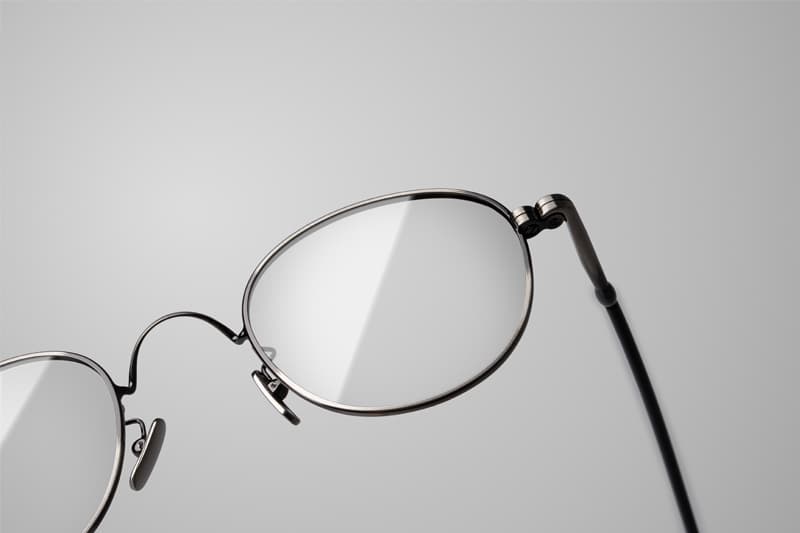
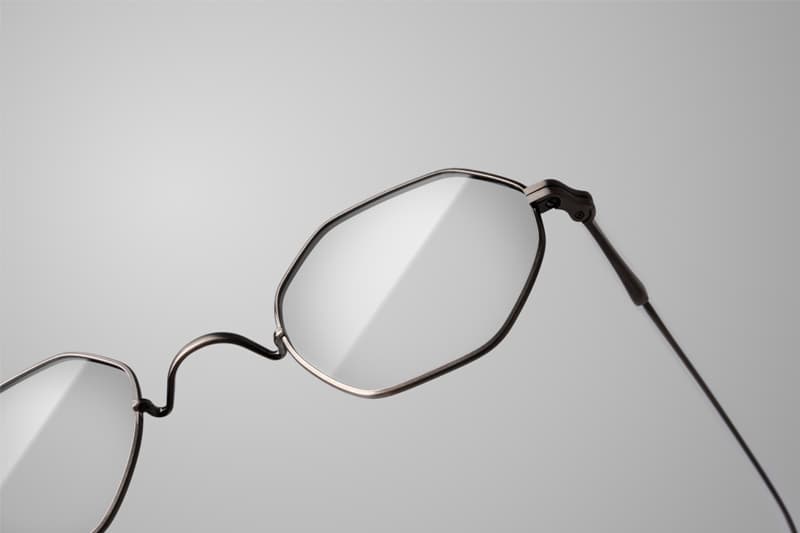
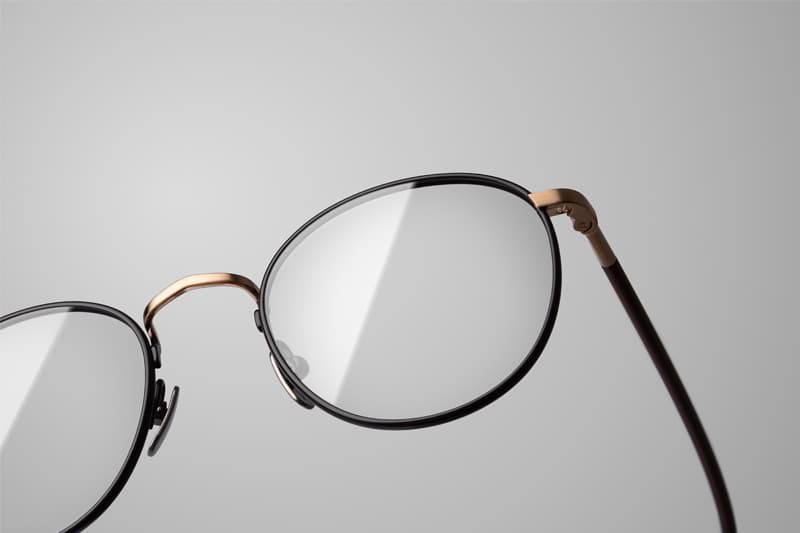
An oval face appears longer than it is wide and usually has balanced, softly flowing contours. Many frame shapes sit harmoniously on this face shape: panto, round, square or geometric.
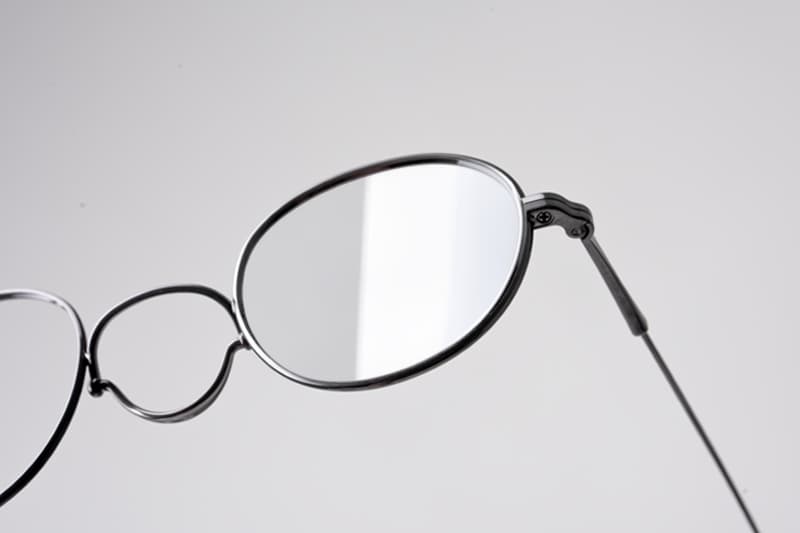
The key question is therefore less “What am I allowed to wear?” and more “What effect do I want to create?”. A fine metal frame feels calm and pared back. Distinctive acetate creates a stronger accent. Very small or very narrow frames can make a longer face appear longer still; here, a direct comparison is worthwhile.
Glasses for a round face

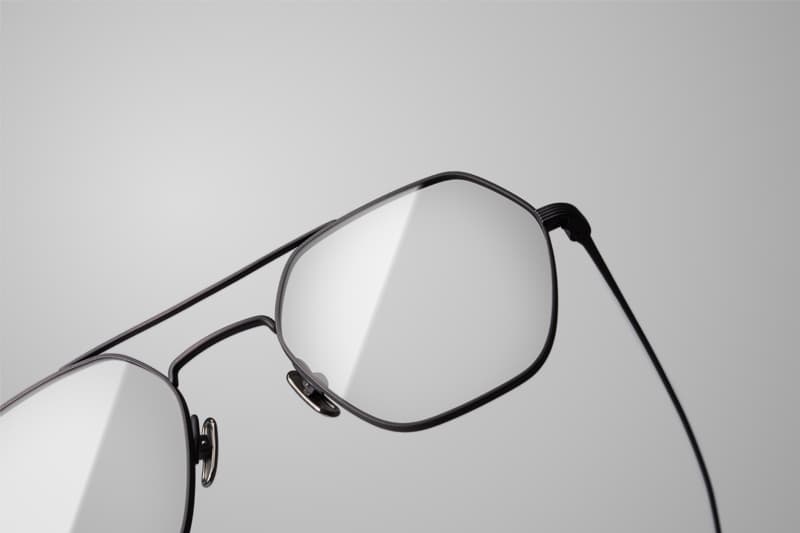
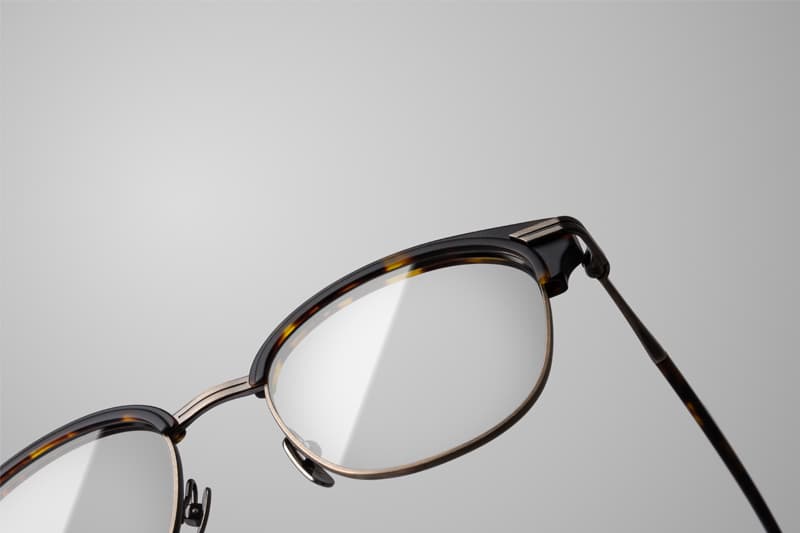
With a round face, length and width are often similar, while the cheeks and chin appear soft. Square or subtly geometric frames can add definition. A distinctive upper rim draws the eye upwards and gives structure to the face.
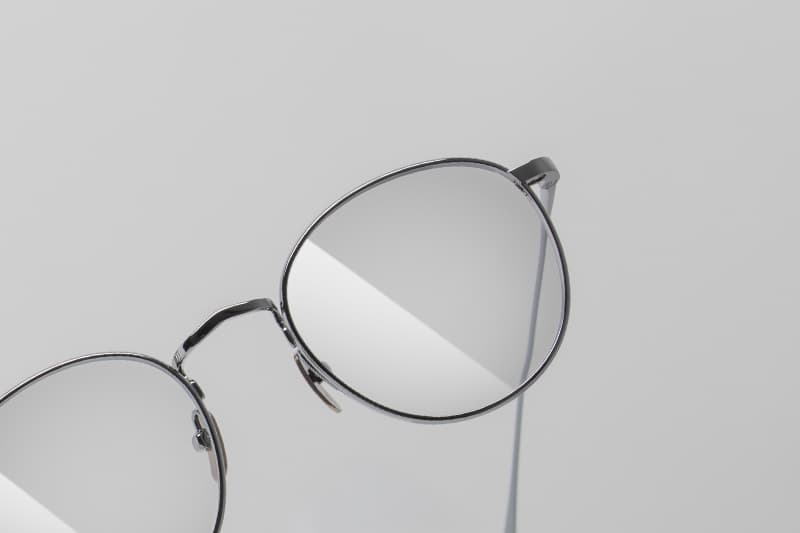
Round glasses are by no means ruled out. If you want to consciously embrace the softness, they can create a very harmonious look. In that case, pay particular attention to the right size and to lines that do not feel too heavy.
Glasses for a square face

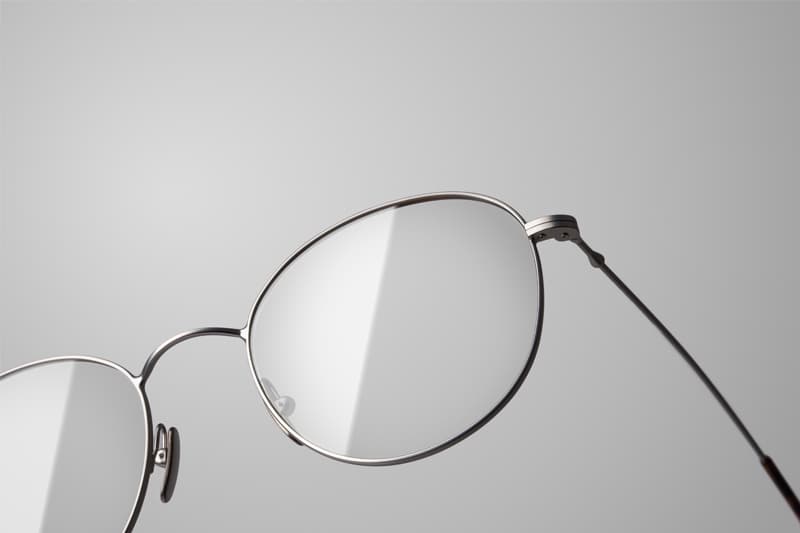
A square face is defined by a clear forehead, cheek and jaw line. Round, oval or panto-style glasses provide a softer counterpoint. Slim metal rims can gently follow the contours without adding extra weight.
A square frame can also work if you want to emphasise a more distinctive look. Rounded corners or a delicate construction will help create balance.
Glasses for a long face

A long face is noticeably taller than it is wide. Frames with sufficient lens depth can visually break up the vertical line. Panto, round and slightly larger square shapes are particularly well suited to this.
Very narrow frames can make the face appear longer. More important than any general rule on size, however, is that the glasses suit the actual width of your head and sit securely.
Glasses for a heart-shaped face

A heart-shaped face often has a broader forehead and narrows towards the chin. Delicate frames, soft panto shapes and models with a discreet lower rim can help balance the proportions.
Strongly emphasised upper rims accentuate the forehead. That may be undesirable — or exactly the characterful accent you are looking for. What matters is the overall impression when you try them on.
Glasses for a trapezoid face

In a trapezoid face, the jaw area is wider than the forehead. Frames with a defined upper line, gently rising contours or an interesting temple attachment draw the eye upwards.
The glasses should not be chosen overly wide. A good balance is achieved when the upper half of the face is emphasised while the frame still sits neatly within your natural proportions.
Fit matters more than typology
Even the most beautiful shape is not the right one if it slips, pinches or is unsuitable for the lenses you need. When trying on frames, make sure that:
- the frame sits securely on the nose without pressure,
- the temples do not feel tight at the sides,
- your cheeks do not lift the glasses when you smile,
- your eyes are positioned evenly within the lenses,
- the size and shape suit your visual needs.
An optician can also assess how the frame can be adjusted and which shape is suitable for your individual lenses.
The most important rule: you decide the effect
Glasses can balance, contrast or deliberately emphasise. That is why there is no list of rules forbidding certain face shapes from wearing certain frames. Try on at least one frame that goes against your first instinct. Quite often, that is where the most convincing look begins.
FAQ
Which glasses suit a round face?
Square and geometric shapes can create definition. Round frames can also work if you consciously want a softer effect.
Which glasses make a face appear slimmer?
Slightly wider frames with a clear upper line can visually structure the face. The actual effect, however, depends on size, colour and material thickness.
How do I determine my face shape?
Compare the length and width of your face, identify the widest area, and consider whether your contours are soft, straight or angular.
Author

Head of Marketing
More from the Journal

Which glasses suit me?
Which glasses suit me? Discover the shapes, colours and materials that work for you – with advice on face shape, personal style, fit and consulting your optician.

Your first pair of glasses — or a new one: where do I start?
Du suchst deine erste oder eine neue Brille? Erfahre, worauf es bei Form, Material, Passform und beim Optikertermin ankommt - Schritt für Schritt.

Newsletter
Werde Teil der #Sloweyewear Community und melde dich für unseren Newsletter an.

Concierge
To your glasses in a few steps
The eyewear concierge guides you to the right frame in three questions.