


The essential guide
Glasses sit at the centre of the face. They accompany you at work, on the move and in many moments when you simply want to feel like yourself. Choosing them is, by nature, personal. Yet with round, angular and panto shapes, different materials and countless colours, it can be hard to know where to begin.
The good news: there is no single right pair of glasses for a particular face shape. There are frames that echo your proportions, create a deliberate contrast and feel right in your everyday life. This guide will help you understand the key criteria and go into your consultation with a clearer idea of what you are looking for.
The right glasses begin with you
Before you start thinking about individual shapes or colours, it is worth asking a simple question: what do you want your glasses to express? Should they blend quietly with your face? May they be visible as a distinctive detail? Are you looking for an understated everyday companion, or a second frame for special occasions? The effect you want is often a better starting point than any fixed styling rule.
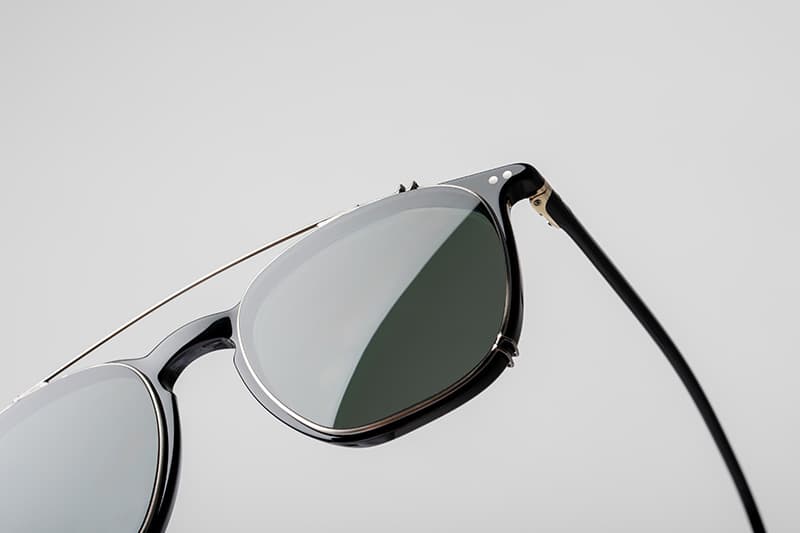
Your everyday life matters too. If you wear your glasses for many hours a day, comfort, weight and a secure fit become especially important. If you often move between indoors and outdoors, an additional pair of sunglasses or a clip-on may be worth considering. And if you want to wear a frame for many years, design, material and craftsmanship should be considered together.
Which frame shape suits my face?
Face shapes are often described as oval, round, angular, long, heart-shaped or trapezoid. These categories can be a useful guide, but they are not a template. Most faces combine features from several groups.
As a basic design principle, similar lines create harmony, while opposing lines create emphasis. A round frame can soften an angular face. An angular frame can give a round face more definition. If you want to consciously underline what is already there, you can take exactly the opposite approach.
More important than the name of your face shape is the interplay of width, height, bridge and temple position. The frame should not rest uncomfortably on the cheeks, press at the sides or sit insecurely on the nose. A knowledgeable optician can assess whether a shape suits you not only visually, but technically as well.

Guide
Which frame shape suits my face shape?
Which glasses suit which face shape? Discover the frames that bring out the natural harmony of round, oval, square or oblong faces.
Round, angular or panto?
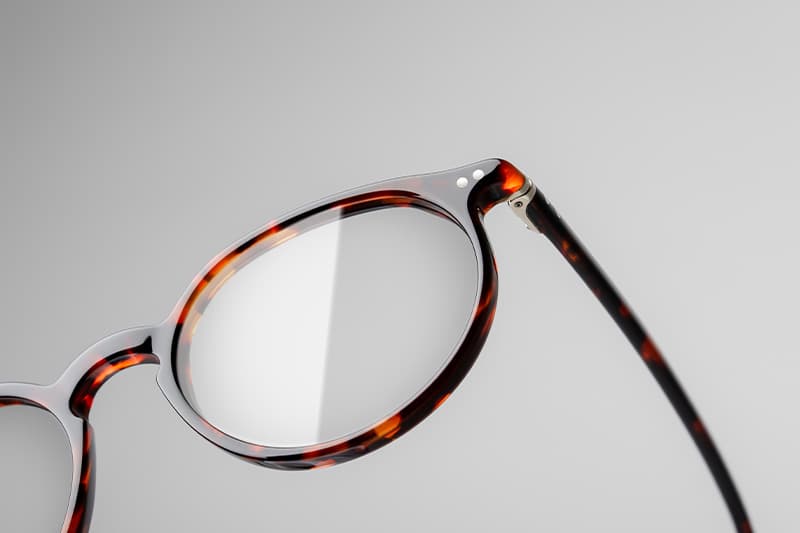
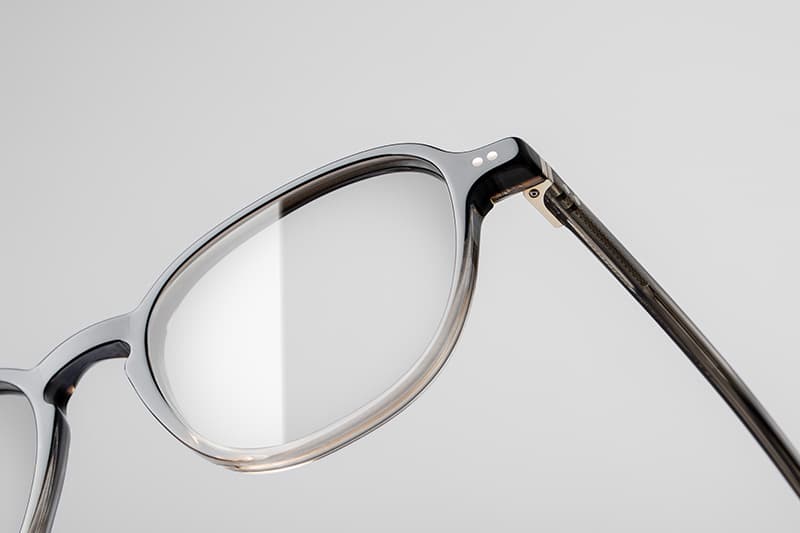
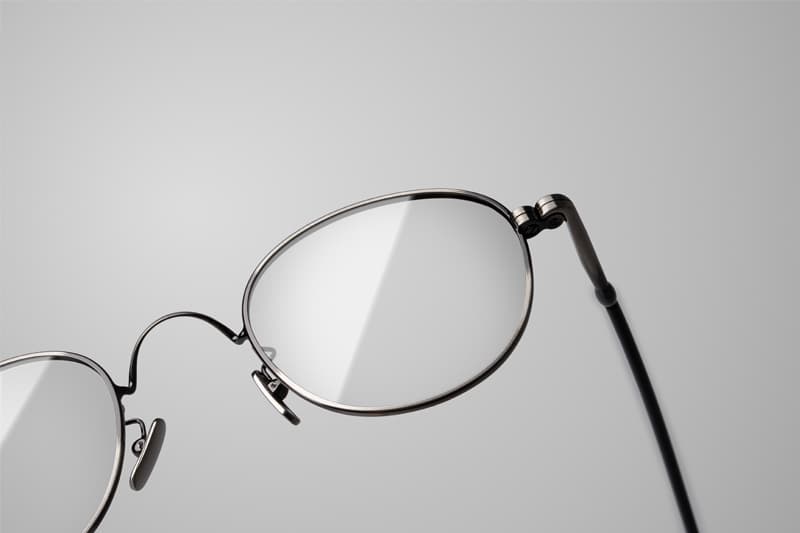
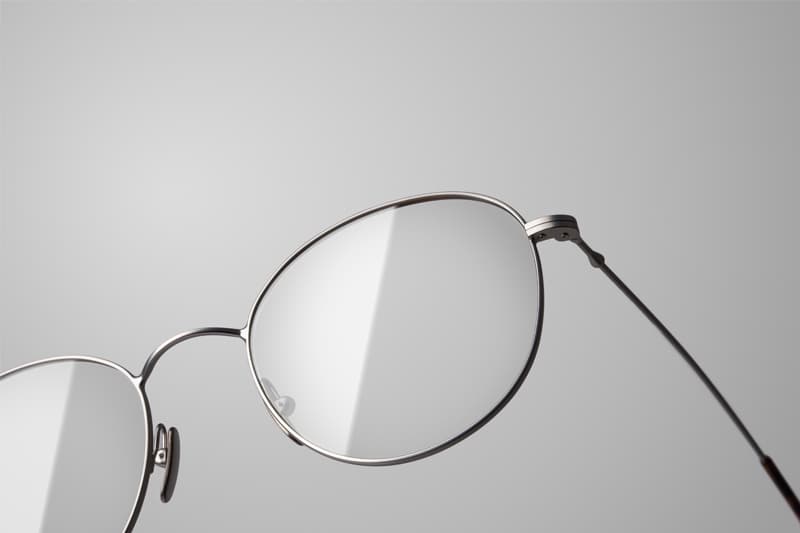
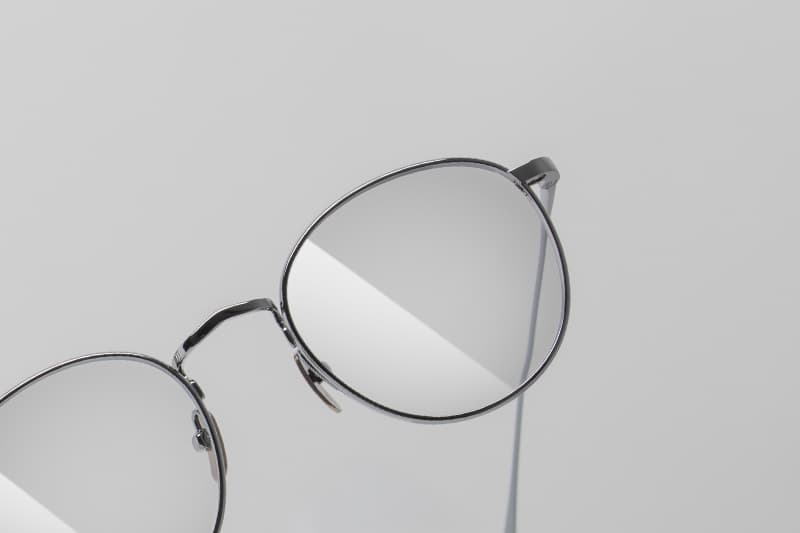
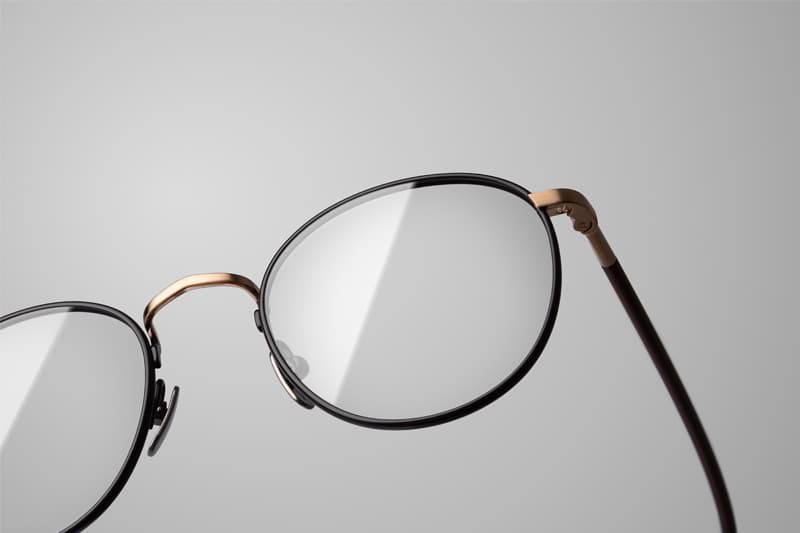
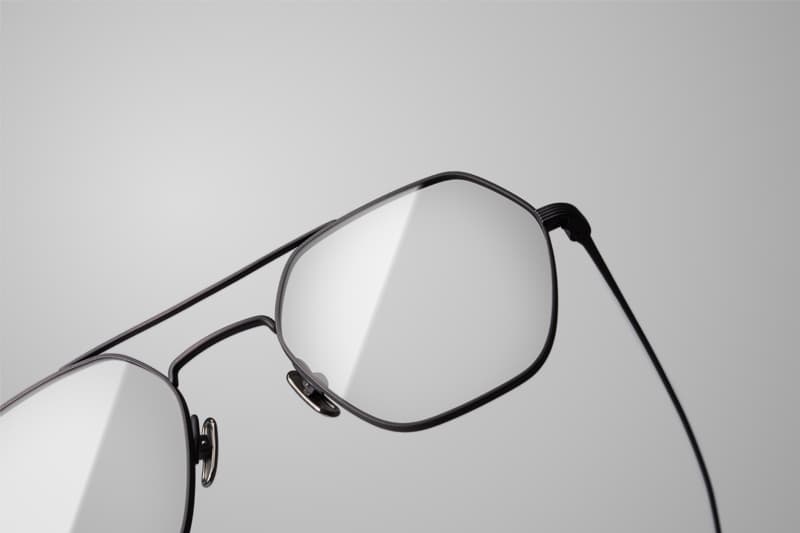
Round frames often feel soft, focused and classic. Angular shapes bring clarity and structure to the face. The panto shape combines a rounded base with a slightly flattened upper line. It feels familiar, balanced and exceptionally versatile.
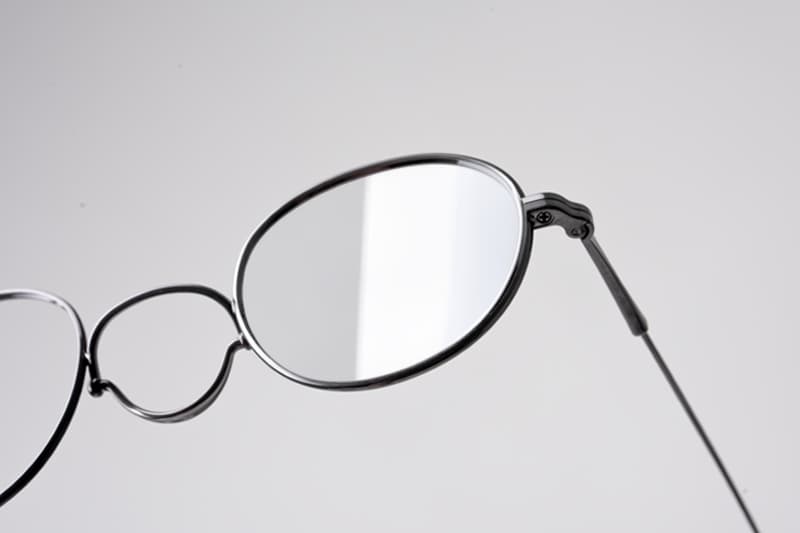
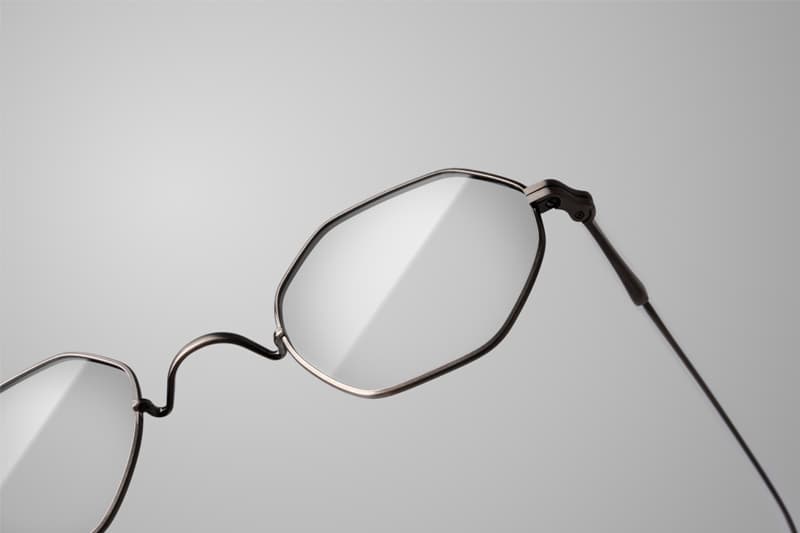
There are also oval, geometric, cat-eye and double-bridge shapes. Even small changes in the line can noticeably alter the effect. A fine metal frame will usually appear more discreet than a broad acetate frame in the same basic shape. Colour, material thickness and lens size should therefore always be considered as part of the whole.

Guide
Round, angular or panto? A simple guide to frame shapes
Round, square or panto? Discover the key frame shapes and find the one that suits your face and personal style.
Which frame colour suits me?
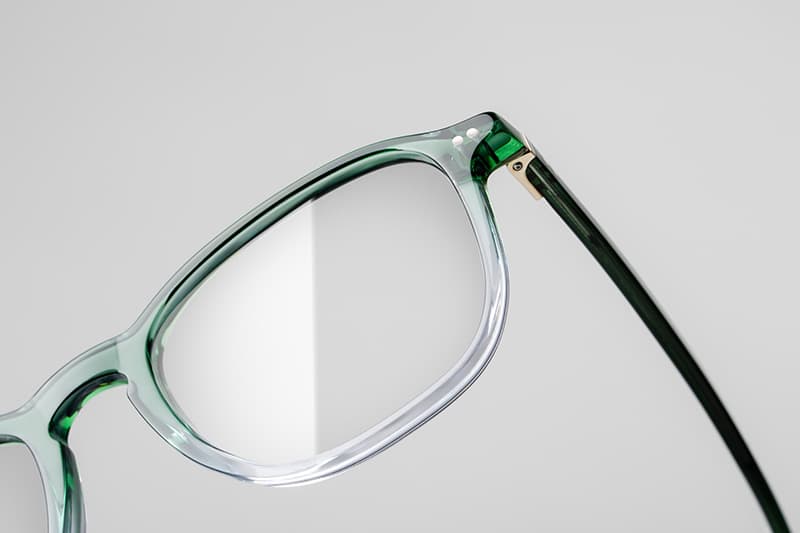
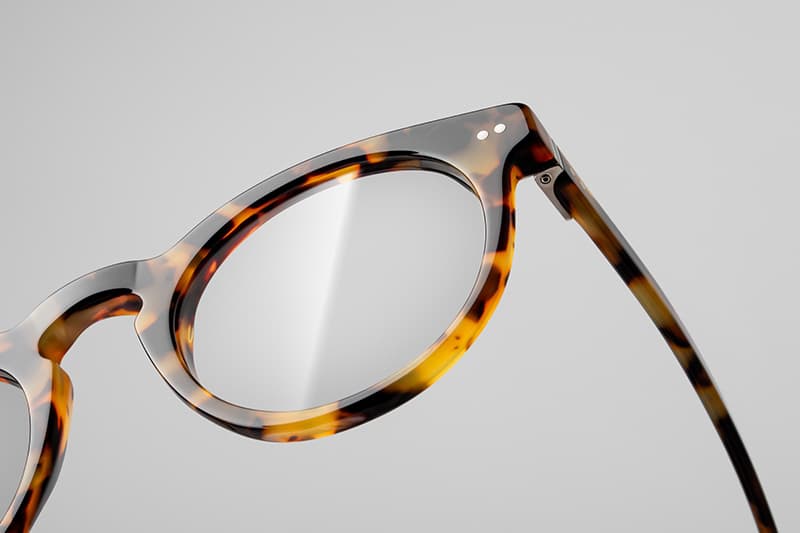
A frame colour can take its cue from your natural colouring or create a deliberate contrast. Warm Havana, gold or brown tones often sit particularly harmoniously with warm skin and hair tones. Silver, grey or cool shades of blue and green can pick up cooler nuances. This is a guide, not a fixed rule.
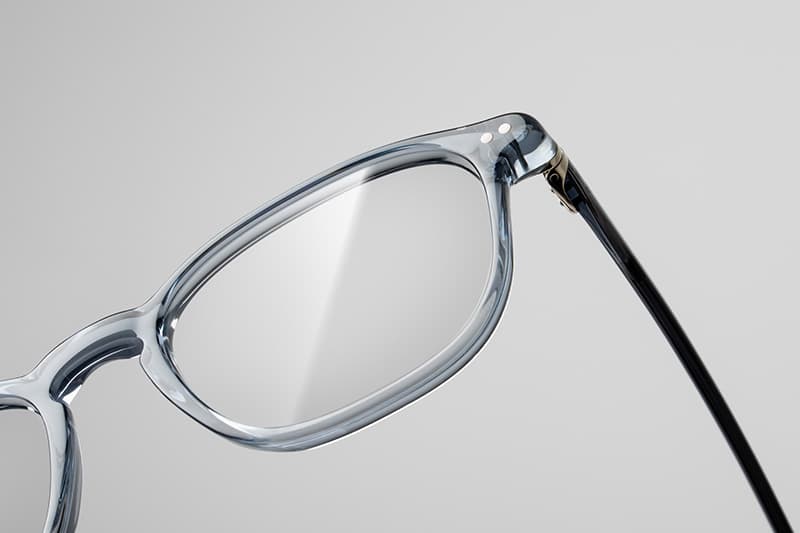
Eye colour can also be a starting point. Related tones create a calm overall impression; complementary colours draw more attention to the eyes. Transparent frames often feel lighter, while darker colours add more definition.
The most reliable comparison is in natural light. Do not try only the colours you already know. A shade that seems unfamiliar on its own may be exactly right on the face.
What role do the eyebrows play?
The eyebrows and the upper rim of the frame sit close together and are perceived as one. It often looks balanced when the upper line of the glasses reflects the natural line of the brows without following it exactly.
The frame should not unintentionally cut through the eyebrows. At the same time, it does not need to follow them completely. A deliberate gap or contrast can look very distinctive. What matters is that the glasses, brows and eye area form a coherent whole.
Material changes both the look and the feel
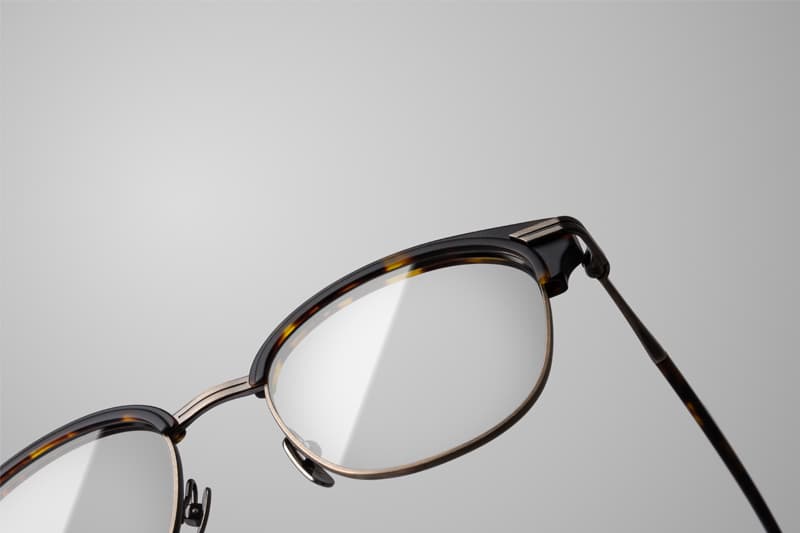
Acetate allows for expressive colours, transparent nuances and a range of finishes. Depending on the shape and material thickness, an acetate frame can feel distinctive or surprisingly understated.
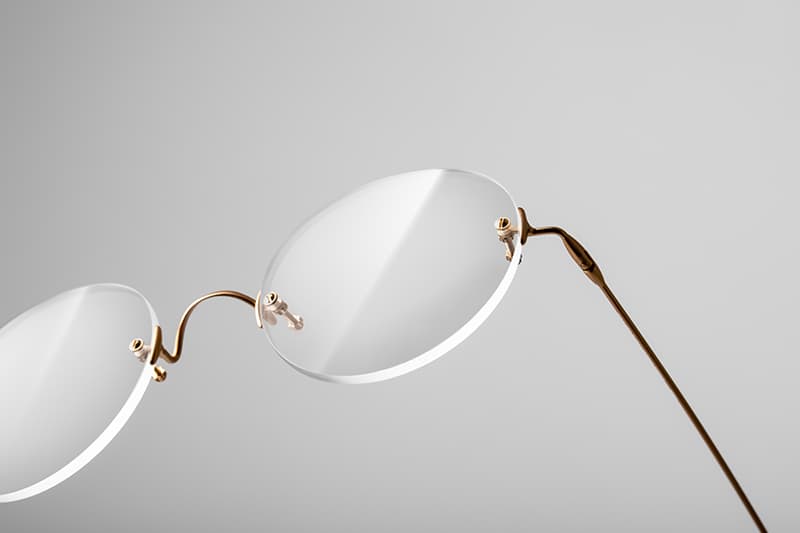
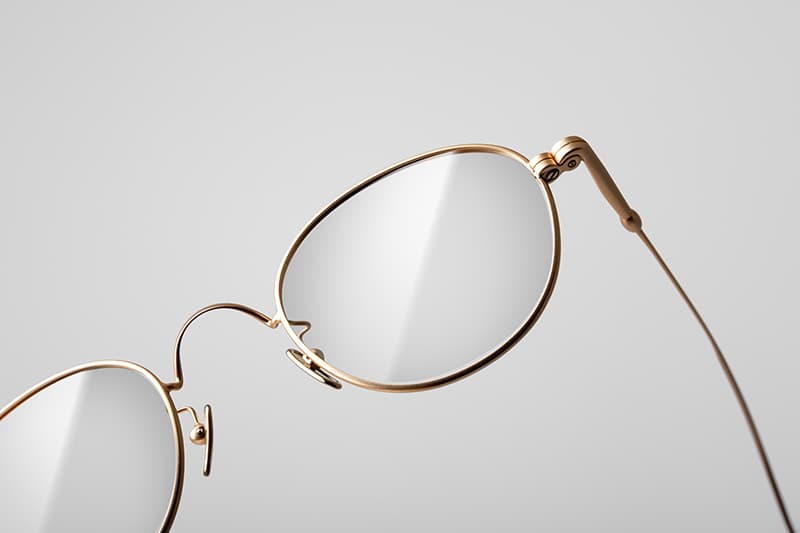
Stainless steel allows for delicate constructions with clean lines. Titanium is light, durable and comfortable for those seeking an especially lightweight metal frame. The material that suits you is therefore not determined by appearance alone, but also by weight, feel, skin compatibility and the way you live.
[LINK ZU MATERIAL]
How can I tell whether glasses really fit?
A well-fitting pair of glasses feels secure without pressing. It does not slide down the nose during normal movement and does not rest uncomfortably on the cheeks. The temples run comfortably towards the ears, and the eyes sit visually balanced within the lenses.
Then there is the personal dimension: your glasses should never feel like a disguise. A good frame can be visible and still let you take the lead. It accompanies your style rather than defining it for you.
Why trying glasses on with an optician matters
Images, measurements and digital recommendations are useful preparation. But they cannot replace the experience of the actual fit. At the optician’s, you can see the frame from different angles, compare materials and receive expert advice on fit and lenses.
Take your time and try a deliberate range of shapes. Photograph your favourites from the front and slightly from the side. Often it is only in comparison that you realise which pair feels completely natural.
In brief
- Begin with the effect you want and the way you live.
- Use face shapes as a guide, not a rule.
- Always consider shape, colour, material and fit together.
- Try frames beyond your usual selection.
- Make your final decision with a knowledgeable optician.
Which Lunor is right for you?
In just a few questions, the Lunor Concierge guides you towards shapes and lines that suit what you have in mind. The personal try-on and adjustment are then handled by a Lunor partner optician near you.
FAQ
Which frames suit almost everyone?
Balanced panto shapes are considered versatile, but there is no such thing as a universally suitable pair of glasses. Size, bridge, proportion, colour and personal style all play their part.
Should glasses cover the eyebrows?
Not necessarily. It often looks harmonious when the upper rim of the frame follows the line of the brows. What matters is the overall impression.
Do glasses need to contrast with the shape of the face?
No. Contrast can add definition, while similar lines create harmony. Both can be right — depending on the effect you want.
Can I choose the right glasses online?
Online, you can narrow down shapes and styles. For fit, comfort and your individual lenses, advice and a fitting with an optician are essential.
Author


More from the Journal
Which frame shape suits my face shape?
Which glasses suit which face shape? Discover the frames that bring out the natural harmony of round, oval, square or oblong faces.

Eyewear trends with substance: what remains when the trend fades?
Which eyewear trends truly last? Discover timeless shapes, colours and materials, and learn what defines enduring design beyond fleeting fashion.
Round, angular or panto? A simple guide to frame shapes
Round, square or panto? Discover the key frame shapes and find the one that suits your face and personal style.

Newsletter
Werde Teil der #Sloweyewear Community und melde dich für unseren Newsletter an.

Concierge
To your glasses in a few steps
The eyewear concierge guides you to the right frame in three questions.