
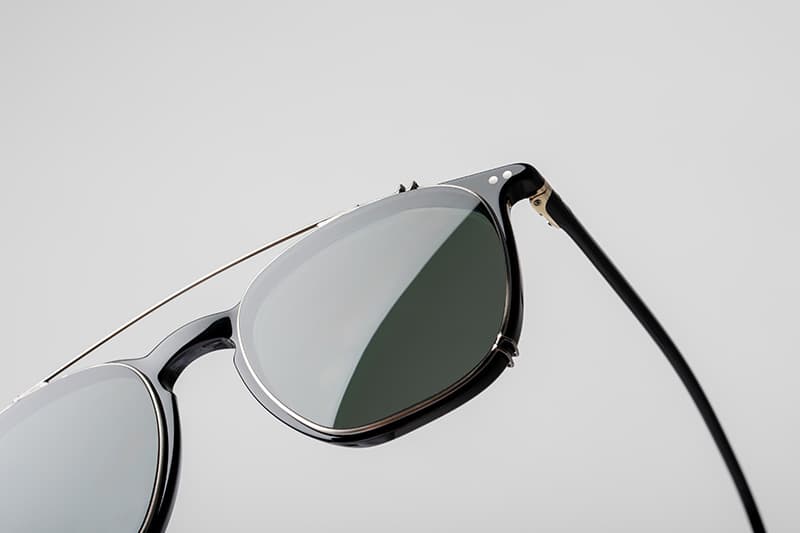

Eyewear Design at Lunor: From the First Line to a Timeless Form
Every pair of glasses begins as a possibility. A line on paper, a proportion, a detail from a historic frame, or an observation drawn from architecture and everyday life. Before it becomes a wearable pair of spectacles, many decisions are made — and just as many things are set aside.
At Lunor, design is not driven by the desire for instant impact. It begins with the question of what gives a frame lasting relevance.
Inspiration between past and present
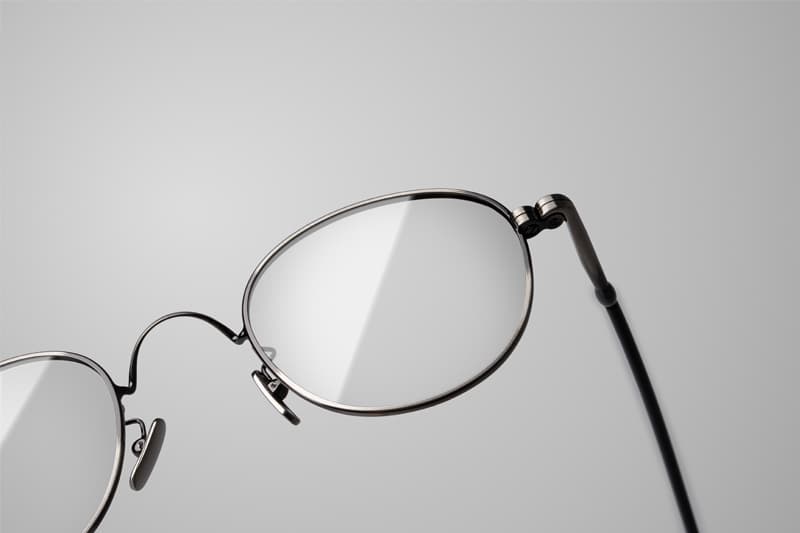
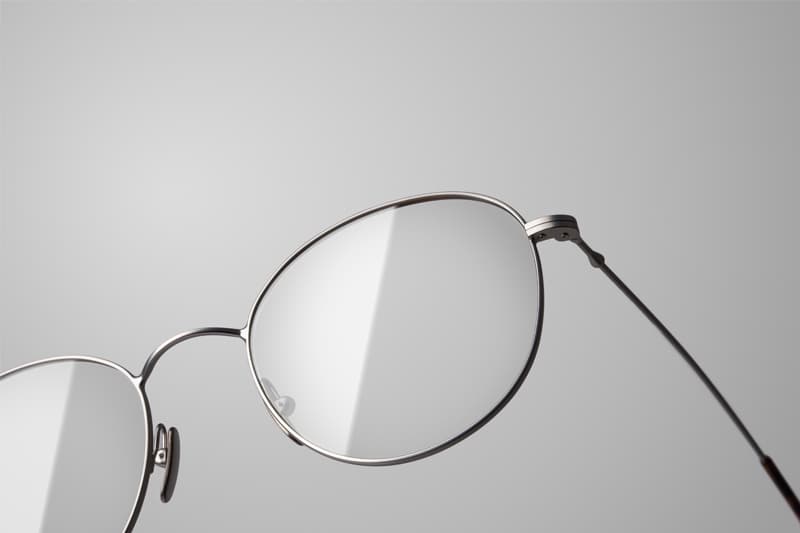
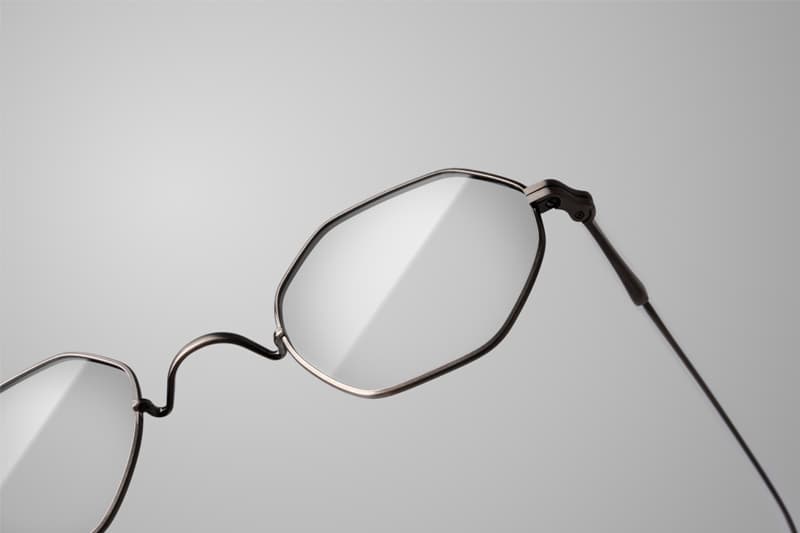
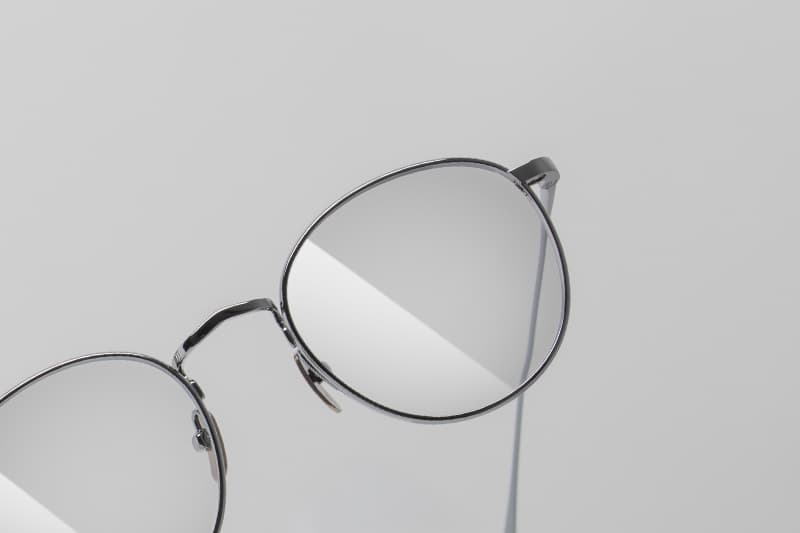
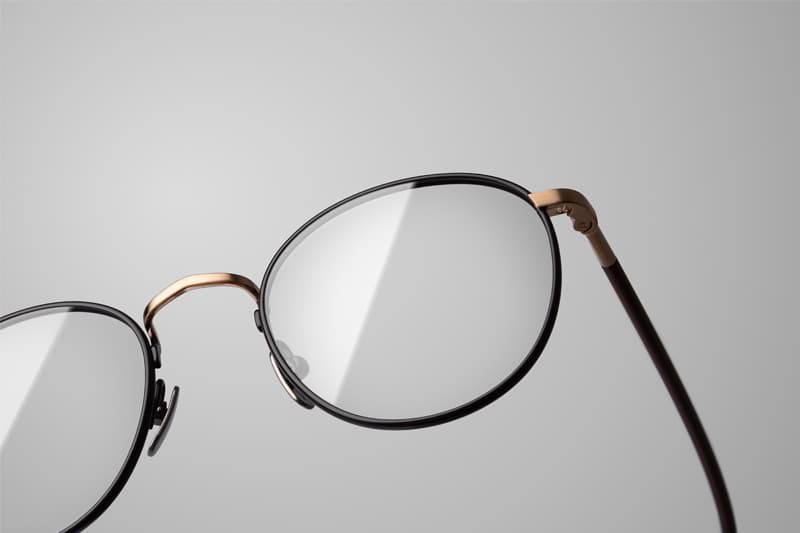
The history of eyewear offers a rich vocabulary of forms. Round metal frames, panto shapes, fine wire temples and distinctive bridge constructions all tell of how function and aesthetics have evolved over centuries. At Lunor, historical references are never copied. They serve as a starting point. A familiar line may be altered, reduced or combined with a contemporary construction. Added to this are impressions from art, architecture, nature and contemporary design.
Inspiration, then, is not a single moment. It is an ongoing process of collecting, comparing and understanding.
From thought to drawing
The first ideas are captured in sketches. At this stage, it is not yet about every technical detail, but about character and fundamental proportion. How does the upper line run? How much space is given to the lens? Where do the bridge and temple join sit? Does the shape feel calm, precise, soft or dynamic? From these sketches come more detailed drawings and digital designs. With each step, it becomes clearer whether the idea can work as a three-dimensional object.

Leaving out, until only the essential remains
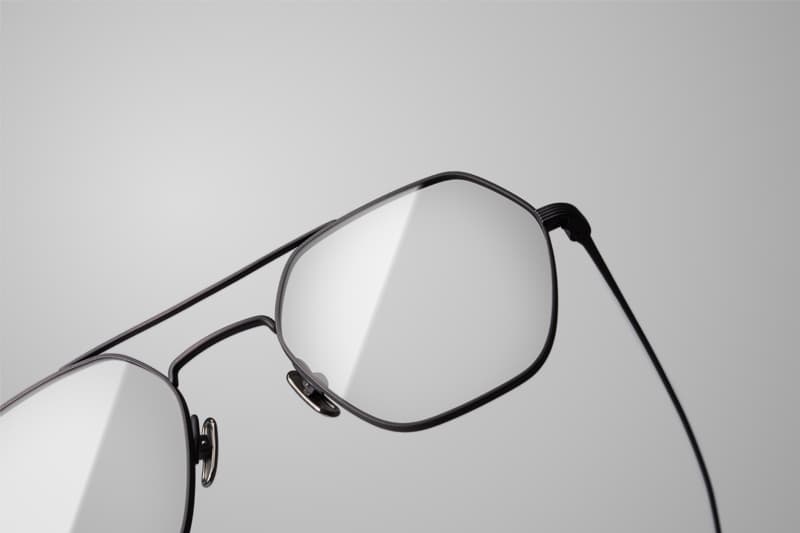
Reduction is a central part of Lunor design. It does not mean making a frame as invisible as possible. It means questioning every element. Does a line serve a purpose? Does a detail support the construction or the character? Is an additional shape truly necessary? Anything that adds nothing can be left out. Especially in pared-back frames, even the smallest deviations become visible. When there is little design, that little has to be right.
Design begins with the person
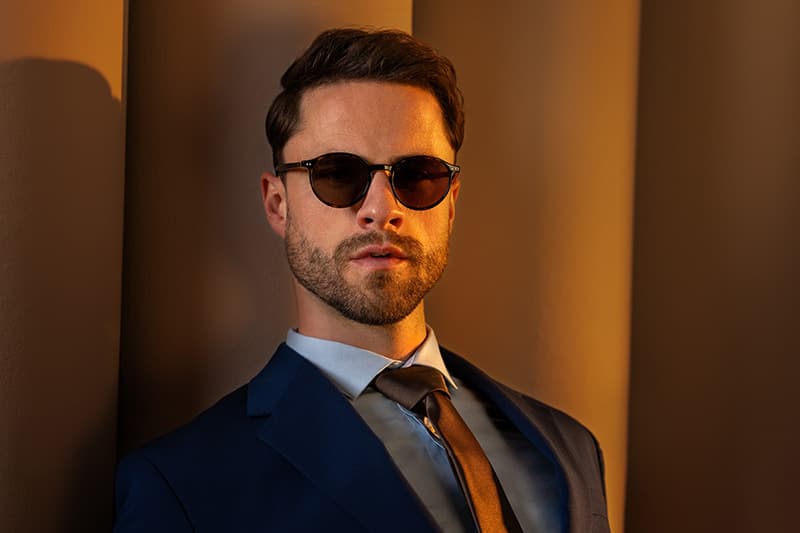
A pair of glasses is not an object for a display case. It sits on a nose, follows the shape of a head, moves as we speak and accompanies its wearer through everyday life. That is why ergonomics and comfort are part of the design from the very beginning. Size, bridge width, temple length, inclination and weight distribution all influence how a frame feels to wear. Just as important is its effect on the face: a Lunor should emphasise personality, not conceal it.
The prototype puts the idea to the test
Only a prototype can show whether a drawing works in reality. The frame is viewed from different angles, tried on and technically examined. Are the proportions and fit right? Does the material feel as it should? Can the intended details be produced with precision? If the answer is not convincing, the design is revised. Lines are shifted, radii adjusted, connections refined. Sometimes it takes several rounds. Sometimes an idea is discarded altogether.
This discipline is part of the design process. Not every good sketch automatically becomes a good pair of glasses.
Material and construction belong together
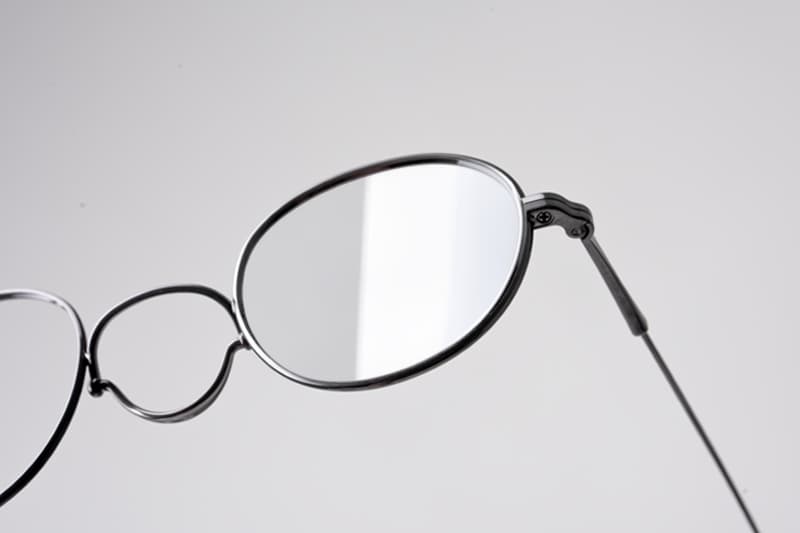
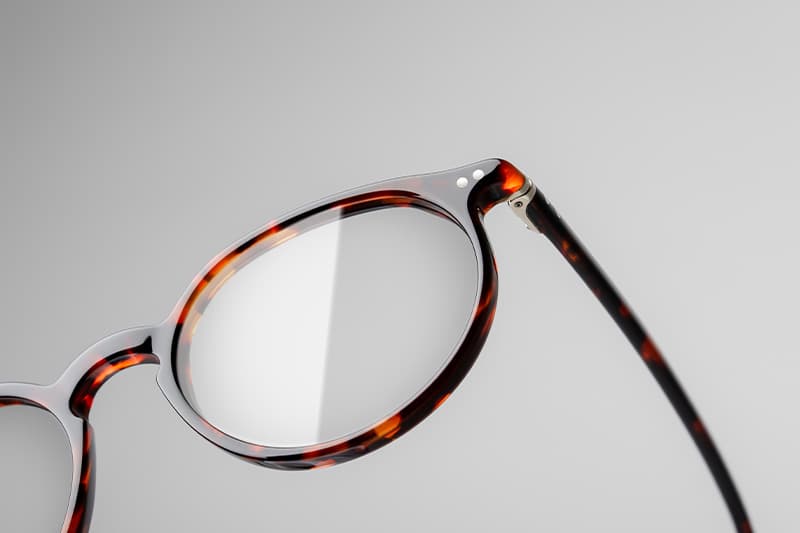
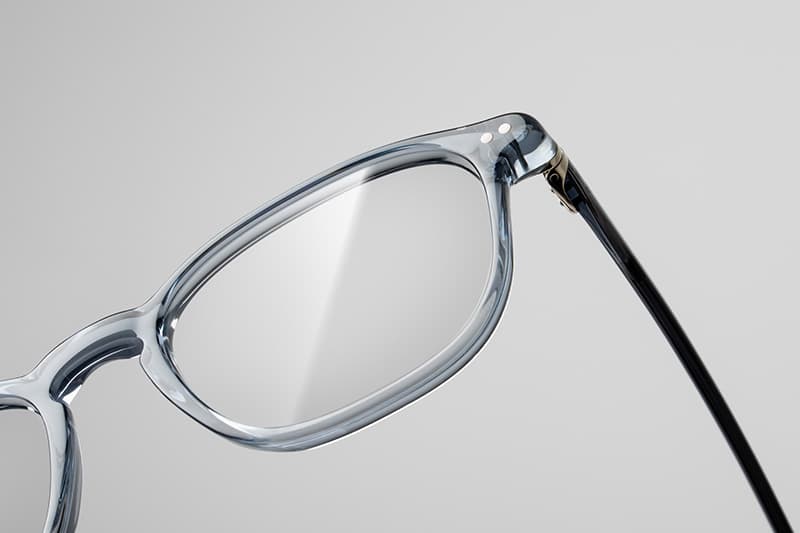
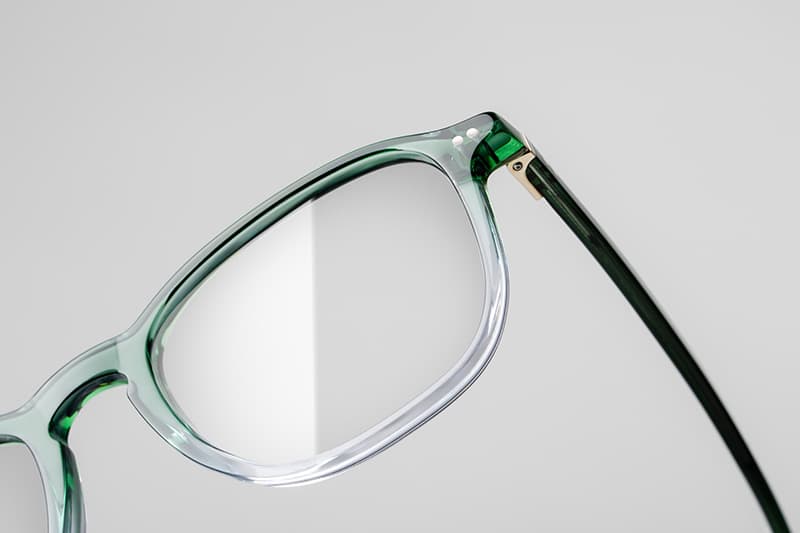
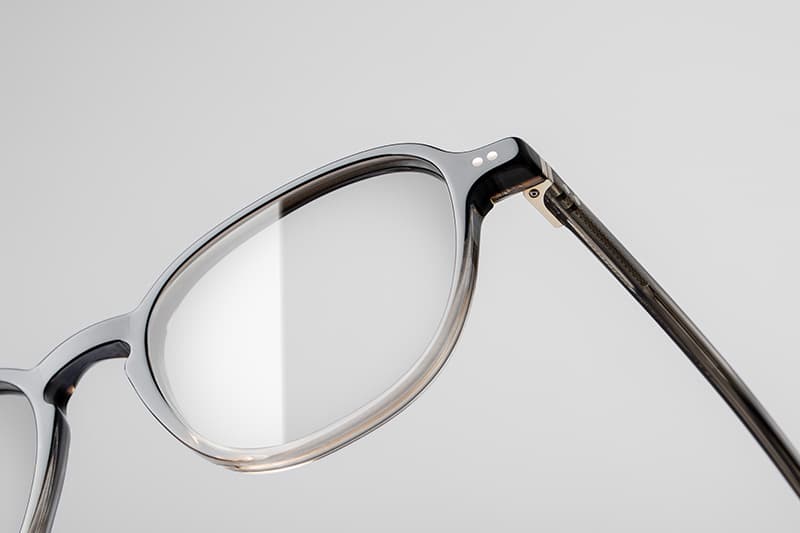
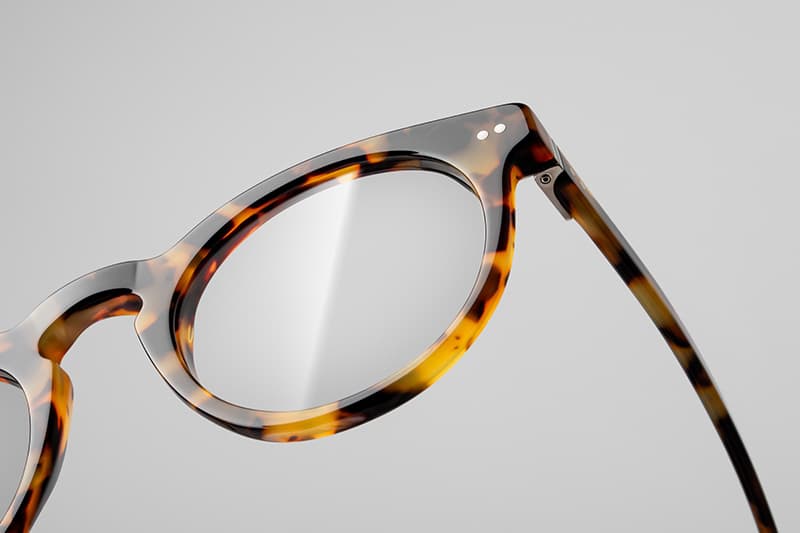
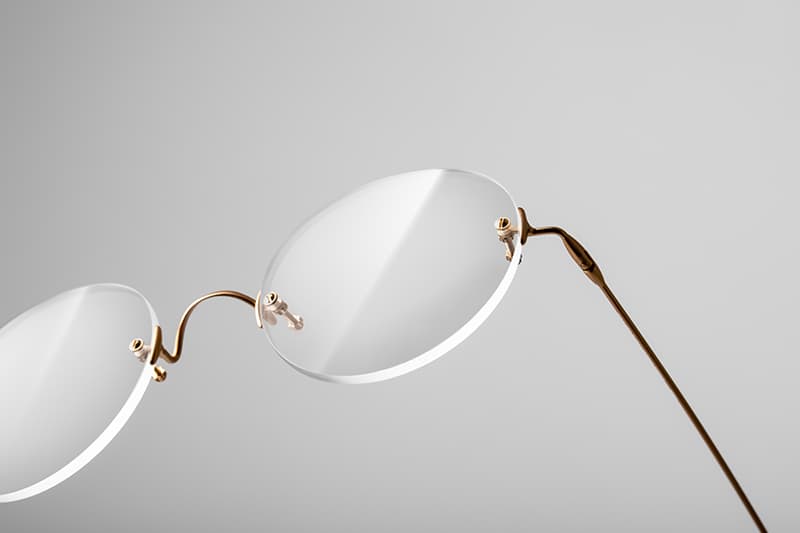
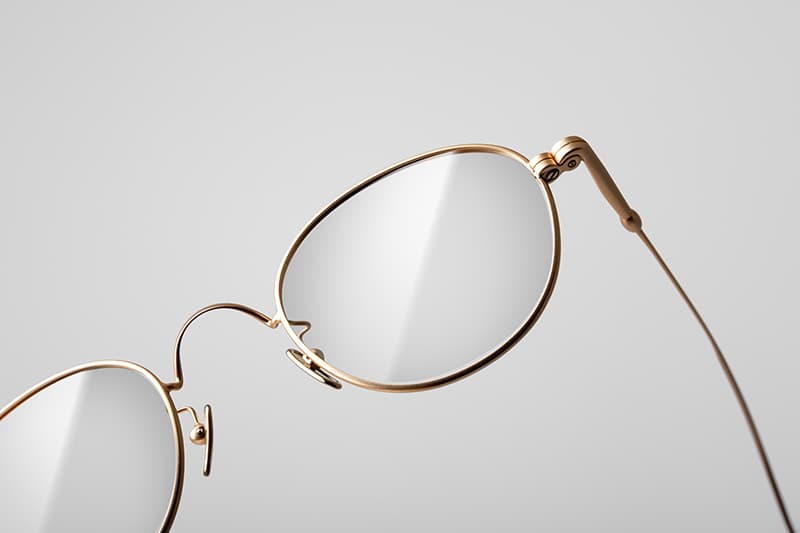
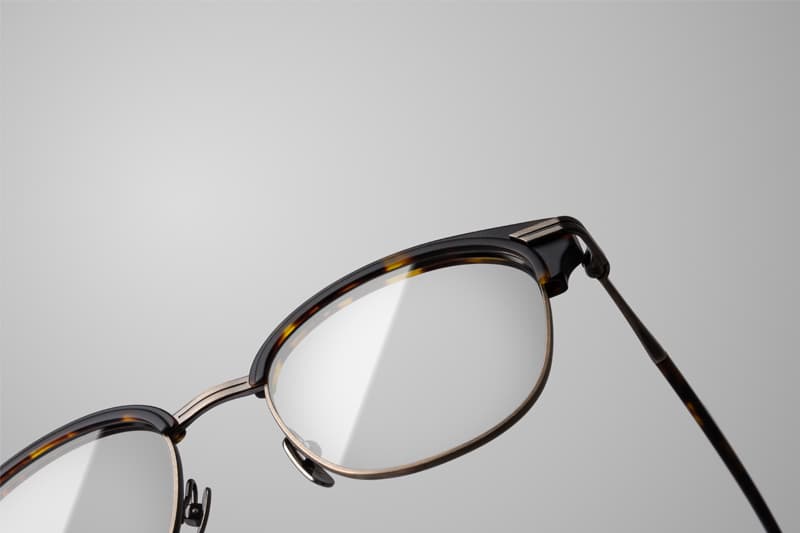
An acetate frame offers different possibilities from a construction in stainless steel or titanium. Acetate allows depth, colour and sculptural transitions. Stainless steel is suited to fine lines and precise technical details. Titanium combines strength with low weight. Good eyewear design does not try to make every material look the same. It uses the particular qualities of each. The result is a form that is not only drawn, but conceived in harmony with its material.
When is a pair of glasses finished?
A design is finished when form, function and manufacture come together. The frame has to be convincing on paper, capable of being made with precision, and feel natural on the face. Then the next stage begins: design becomes craftsmanship. And a line becomes a pair of glasses intended to accompany its wearer for many years.
FAQ
How long does it take to develop a pair of glasses?
The timescale depends on the shape, construction and number of prototypes. Design, technical development, toolmaking, testing and refinement all take time, and cannot meaningfully be reduced to a single fixed period.
Where does the inspiration for Lunor eyewear come from?
From the history of eyewear, as well as from art, architecture, nature and contemporary design. Historical forms are not copied, but developed independently and translated for the present day.
What makes eyewear design timeless?
Balanced proportions, functional details, construction that respects the material, and a shape that leaves room for personality
Author

PR Managerin
More from the Journal

Eyewear trends with substance: what remains when the trend fades?
Which eyewear trends truly last? Discover timeless shapes, colours and materials, and learn what defines enduring design beyond fleeting fashion.

What Lunor stands for: Slow Eyewear since 1991
Entdecke, wofür Lunor seit 1991 steht: zeitloses Brillendesign, sorgfältiges Handwerk, hochwertige Materialien und langlebige Slow Eyewear.

Newsletter
Werde Teil der #Sloweyewear Community und melde dich für unseren Newsletter an.

Concierge
To your glasses in a few steps
The eyewear concierge guides you to the right frame in three questions.