


“Made in Germany” in eyewear: what it really means at Lunor
“Made in Germany” may sound like a simple statement of origin. In eyewear, however, it represents a complex chain of design, material production, toolmaking, manufacturing, surface finishing, assembly and quality control. Not every material is worked in the same place - and not every regional specialism can sensibly be replaced.
That is why it is worth taking a closer look at what manufacturing in Germany means at Lunor in practice.
All acetate frames are made in Germany
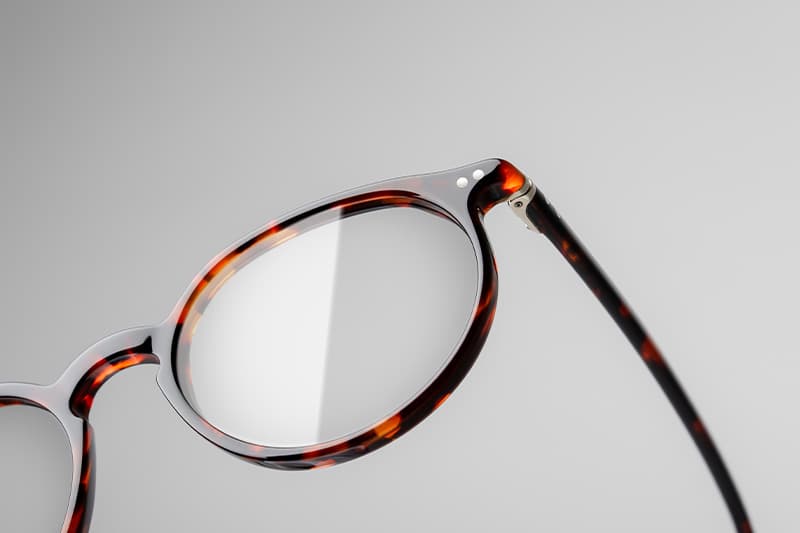
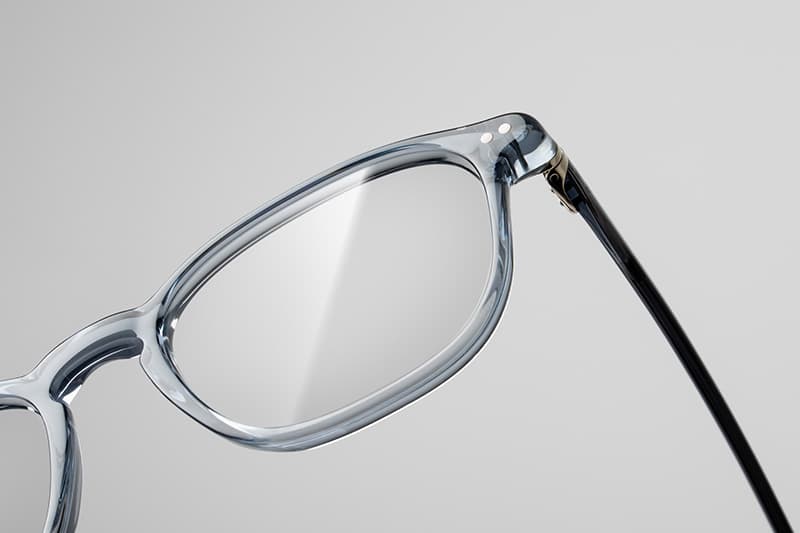
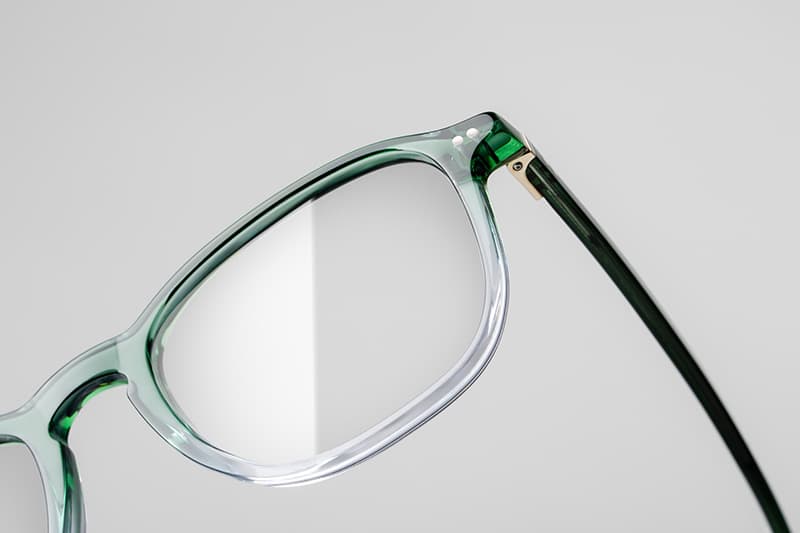
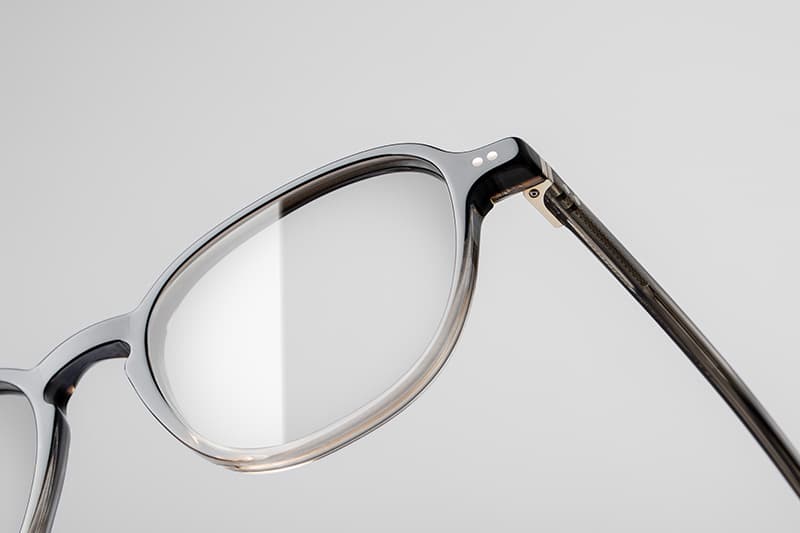
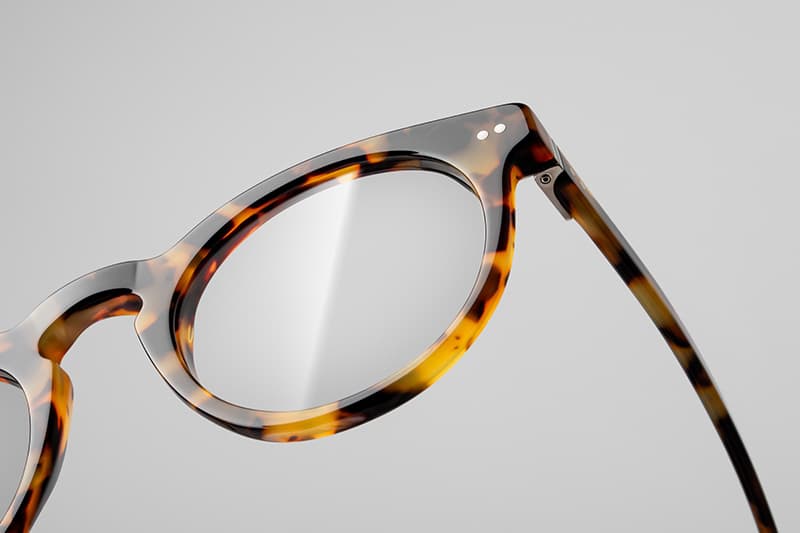
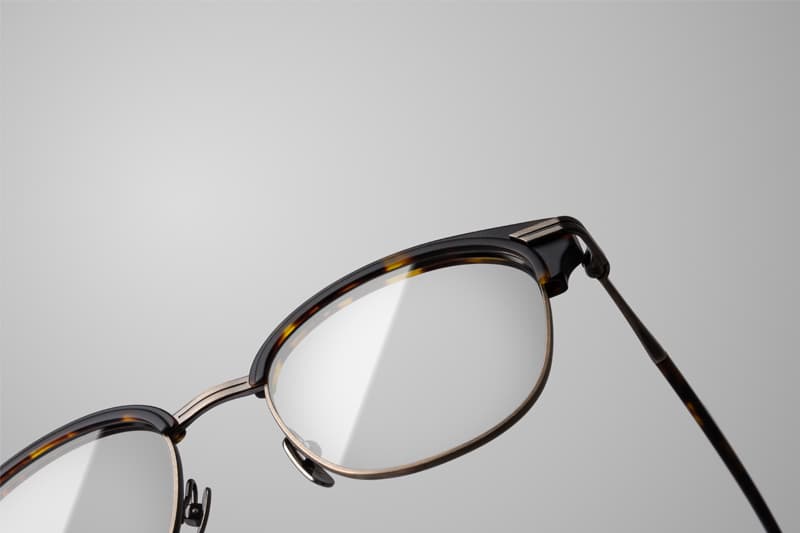
Acetate starts life as a sheet from which the basic shape of the frame is cut. Many further steps follow: milling, grinding, riveting, adjusting, polishing or matting, assembly and inspection. All Lunor acetate frames are made at several sites in Germany. Lunor works with specialist companies that have extensive experience in processing this material. The cotton acetate itself comes from Italy. The proximity between development and production makes coordination and quality control easier. Direct exchange is especially important when it comes to new shapes, colours and construction details. Here you can gain an insight into how our acetate frames are made:
Stainless steel frames from our own manufactory
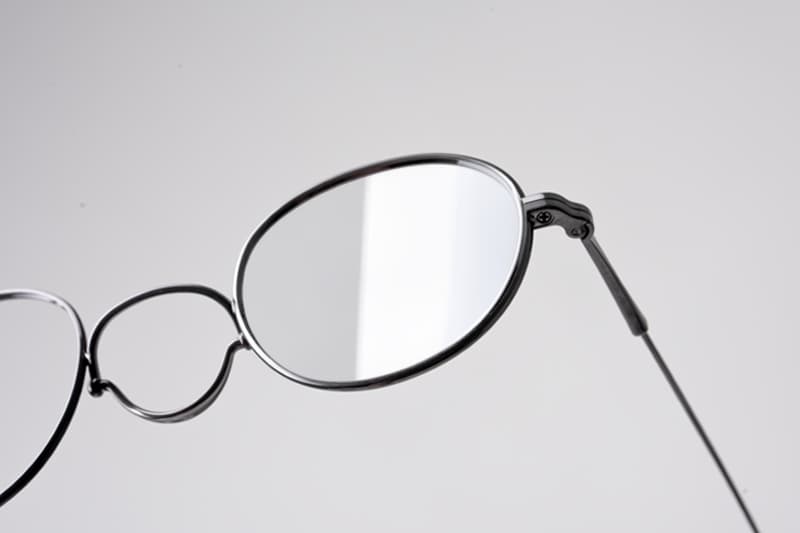
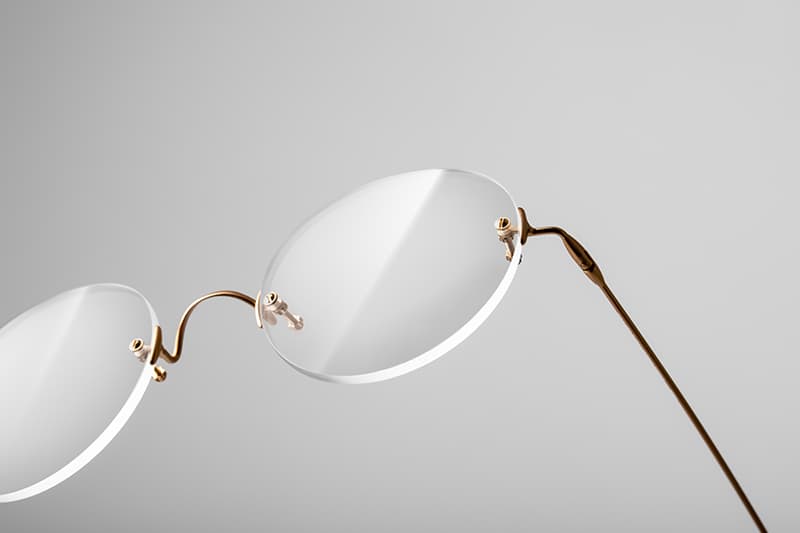
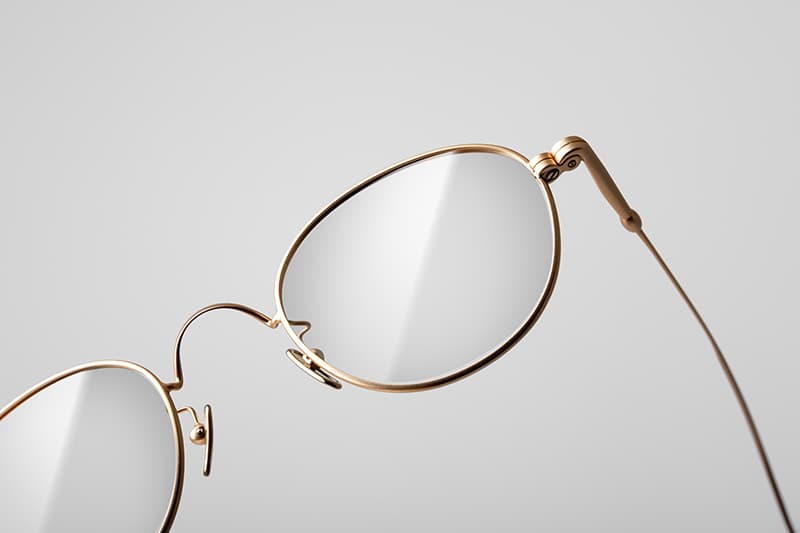
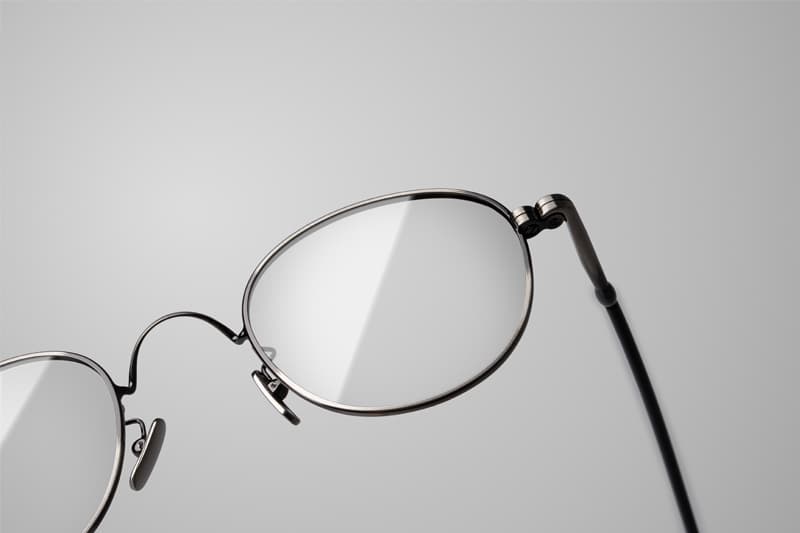
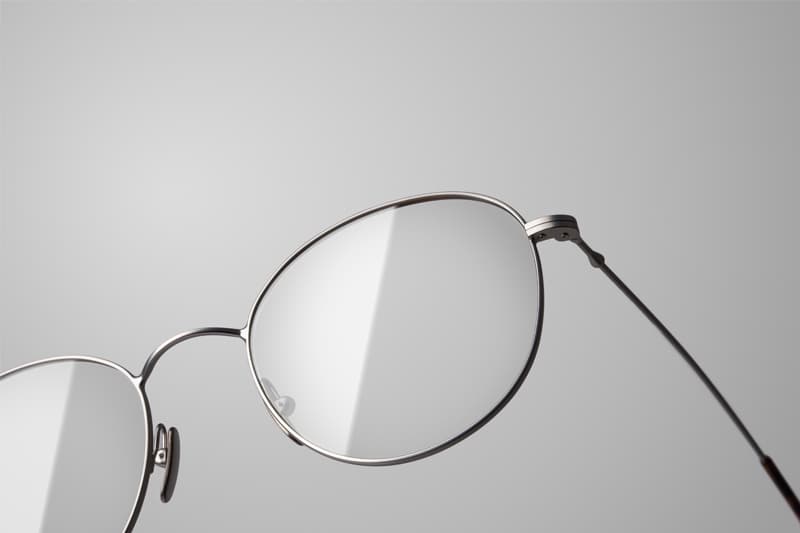
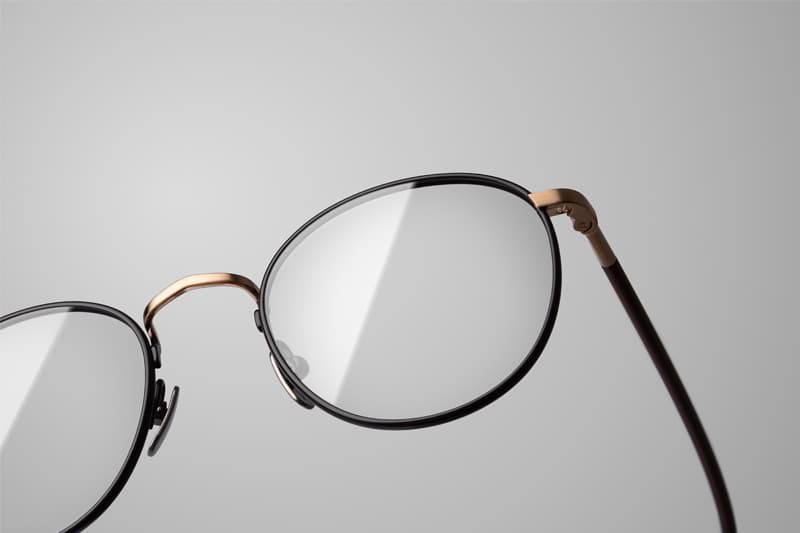
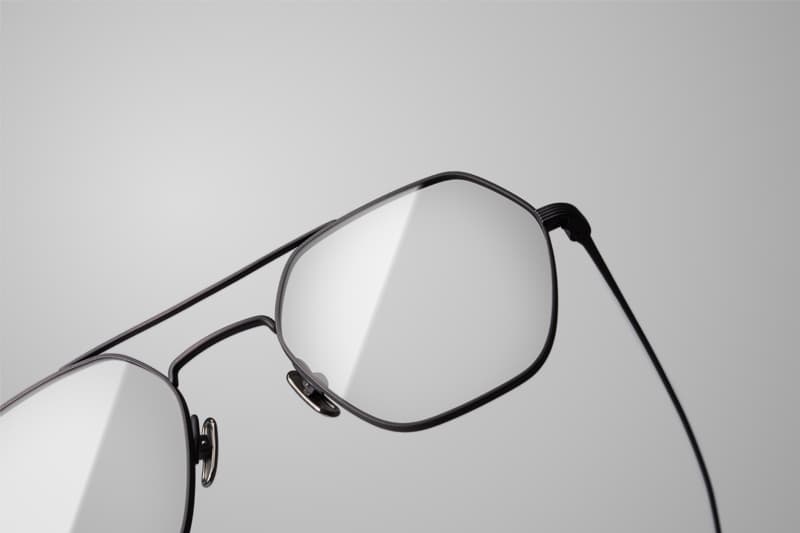
Lunor’s stainless steel frames are made exclusively in our own manufactory. There, raw materials and individual components are turned into delicate constructions that require precise tools and considerable experience. Every solder joint, every transition and every bend must be consistently exact. Modern technology supports the work, but many steps remain manual. Surfaces are finished, components are aligned and frames are checked at several stages. Having our own manufactory makes it possible to build, preserve and pass on eyewear-making expertise within the company. You can gain an insight into our LUMAG manufactory here:
Why not every Lunor frame is made entirely in Germany
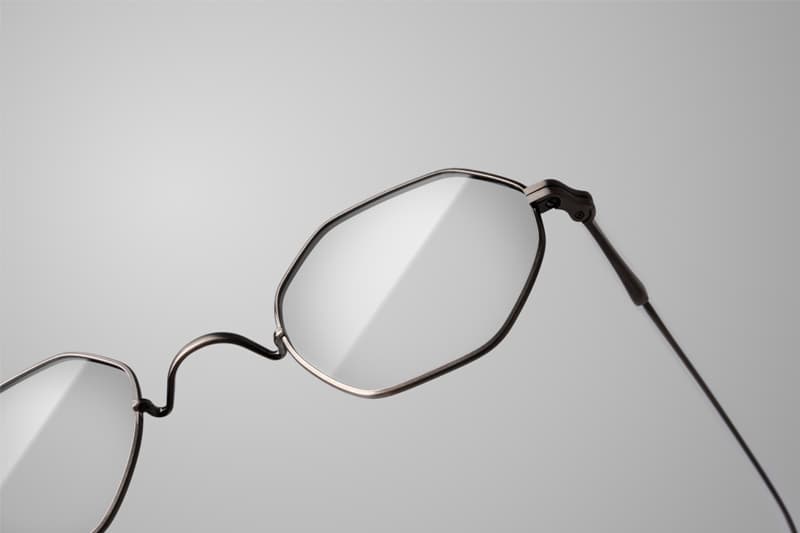
Certain materials have other centres of craft expertise. For titanium, Lunor works among others with selected manufactories in Japan. Titanium processing has a long tradition there and achieves the precision required for frames that are both delicate and resilient. Lunor also works with specialist partners in Switzerland.
For us, origin is therefore not a blanket promise. What matters is choosing the right expertise for each material and applying our own quality standards consistently.
Hand craftsmanship and modern technology
High-quality eyewear production is neither purely traditional nor fully automated. Digital design and precise machinery make consistently accurate components possible. Craftsmanship is indispensable wherever a feel for the material, adjustment and visual judgement are required. A clean transition, the tension of a hinge or the feel of a surface can be measured — but cannot be assessed by measurements alone. Human judgement remains part of quality.
Short distances are not an end in themselves
Regional production can simplify coordination, shorten transport routes between individual stages and enable closer collaboration. But it is only valuable when the result is right. For Lunor, manufacturing in Germany is therefore part of a broader understanding of quality: construction suited to the material, specialist partners, traceable processes and a pair of glasses that can be worn and maintained for many years.
What to ask when buying
If origin matters to you, do not ask only about a label. Ask more precisely:
- Where is the frame made?
- Where does the material come from?
- Which steps are carried out by hand?
- Who checks the finished glasses?
- Are spare parts available, and is there a repair process?
Transparent answers say more about a product than a single statement of origin.
FAQ
Are all Lunor glasses made in Germany?
All acetate frames are made at several sites in Germany. All stainless steel frames are produced in our own manufactory. For certain materials, Lunor also works with specialist manufactories in Japan and Switzerland.
Where does Lunor’s acetate come from?
Lunor uses high-quality cotton acetate from Italy. The frames made from it are produced in Germany.
Where are Lunor titanium frames made?
Titanium frames are made, among other places, in selected Japanese manufactories according to Lunor’s specifications.
Author

Head of Marketing
More from the Journal

How can I recognise a high-quality pair of glasses?
Woran erkennst du eine hochwertige Brille? Entdecke die wichtigsten Merkmale bei Material, Verarbeitung, Passform und langfristigem Service.

What Lunor stands for: Slow Eyewear since 1991
Entdecke, wofür Lunor seit 1991 steht: zeitloses Brillendesign, sorgfältiges Handwerk, hochwertige Materialien und langlebige Slow Eyewear.

Newsletter
Werde Teil der #Sloweyewear Community und melde dich für unseren Newsletter an.

Concierge
To your glasses in a few steps
The eyewear concierge guides you to the right frame in three questions.