

Round, angular or panto? A simple guide to frame shapes
Some glasses feel instantly familiar; others unusual, or especially present. Colour plays a part, but it is above all the shape that determines how a frame sits around the face. Knowing the most important frame shapes makes it easier to define what you like — and to explore something new with more confidence.
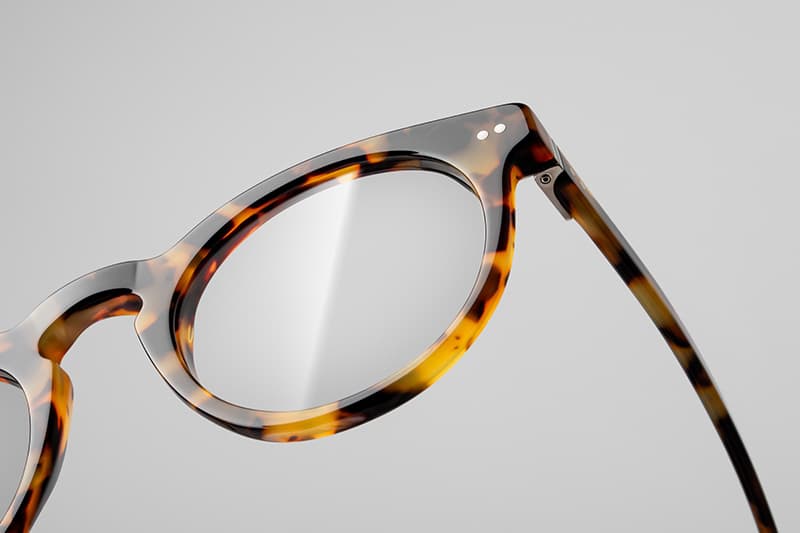
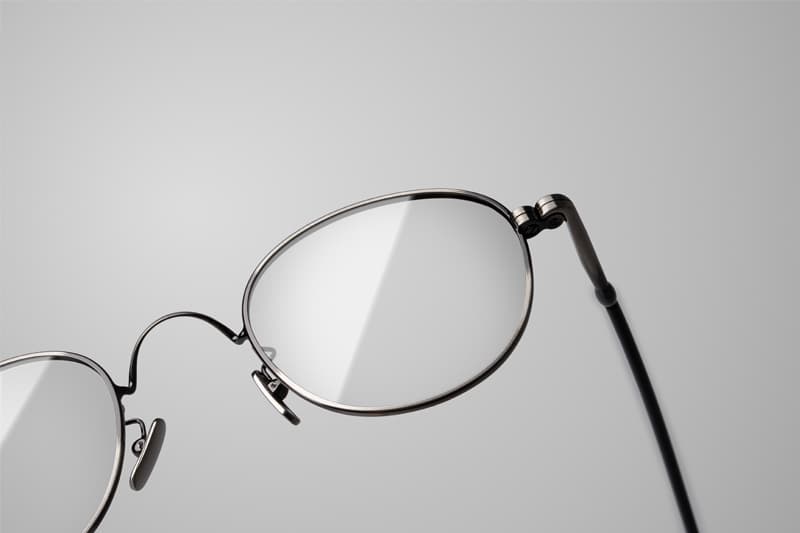
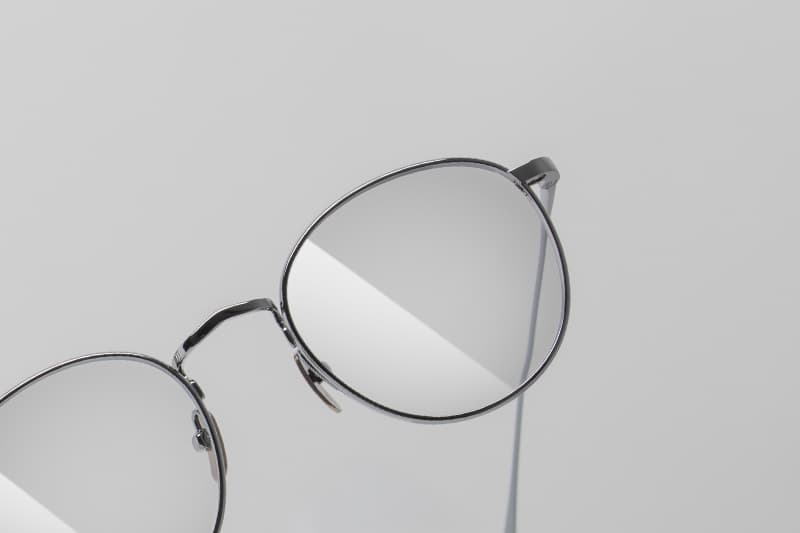
Round frames: focused and full of character
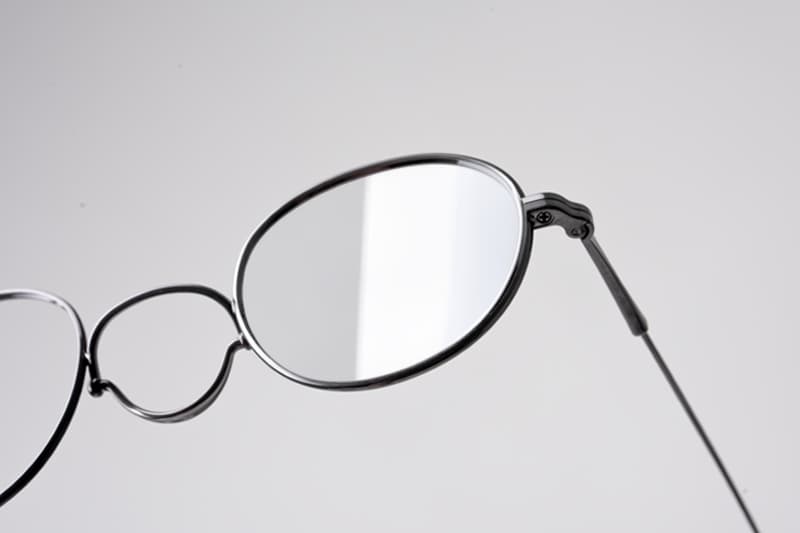
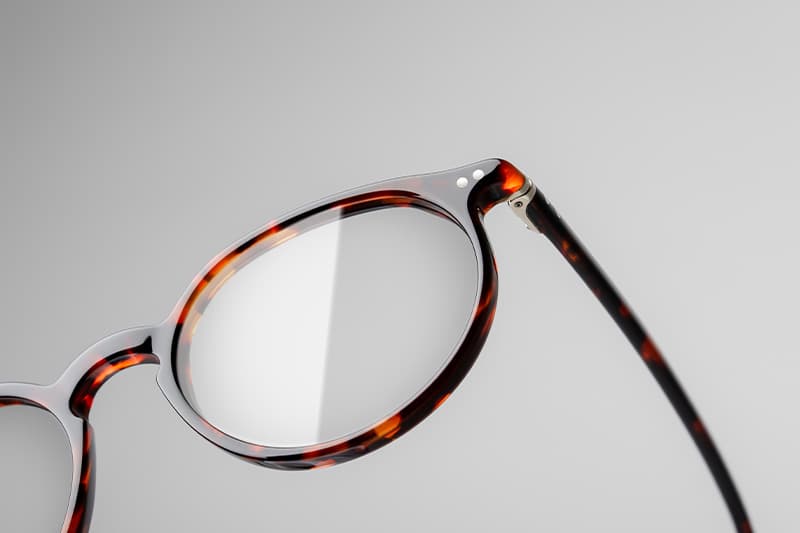
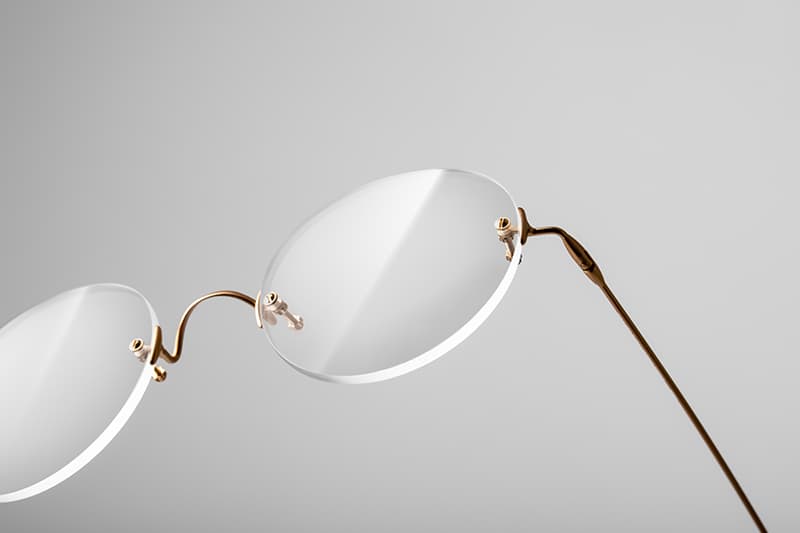
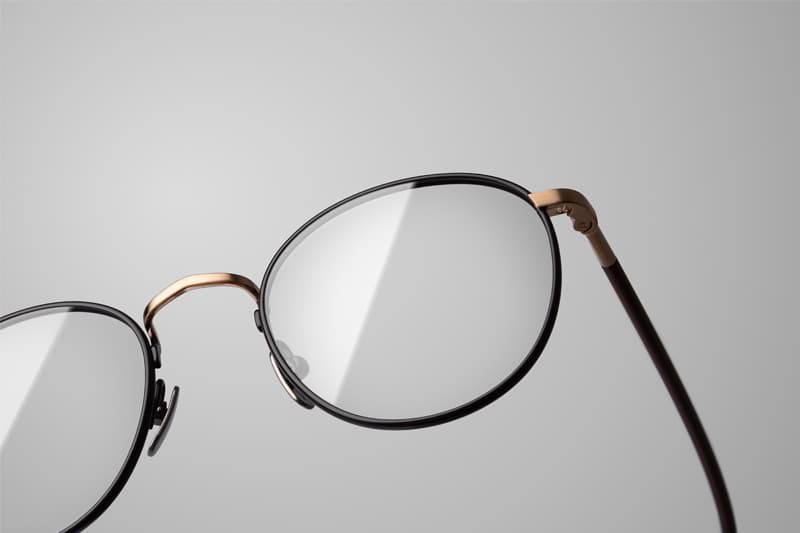
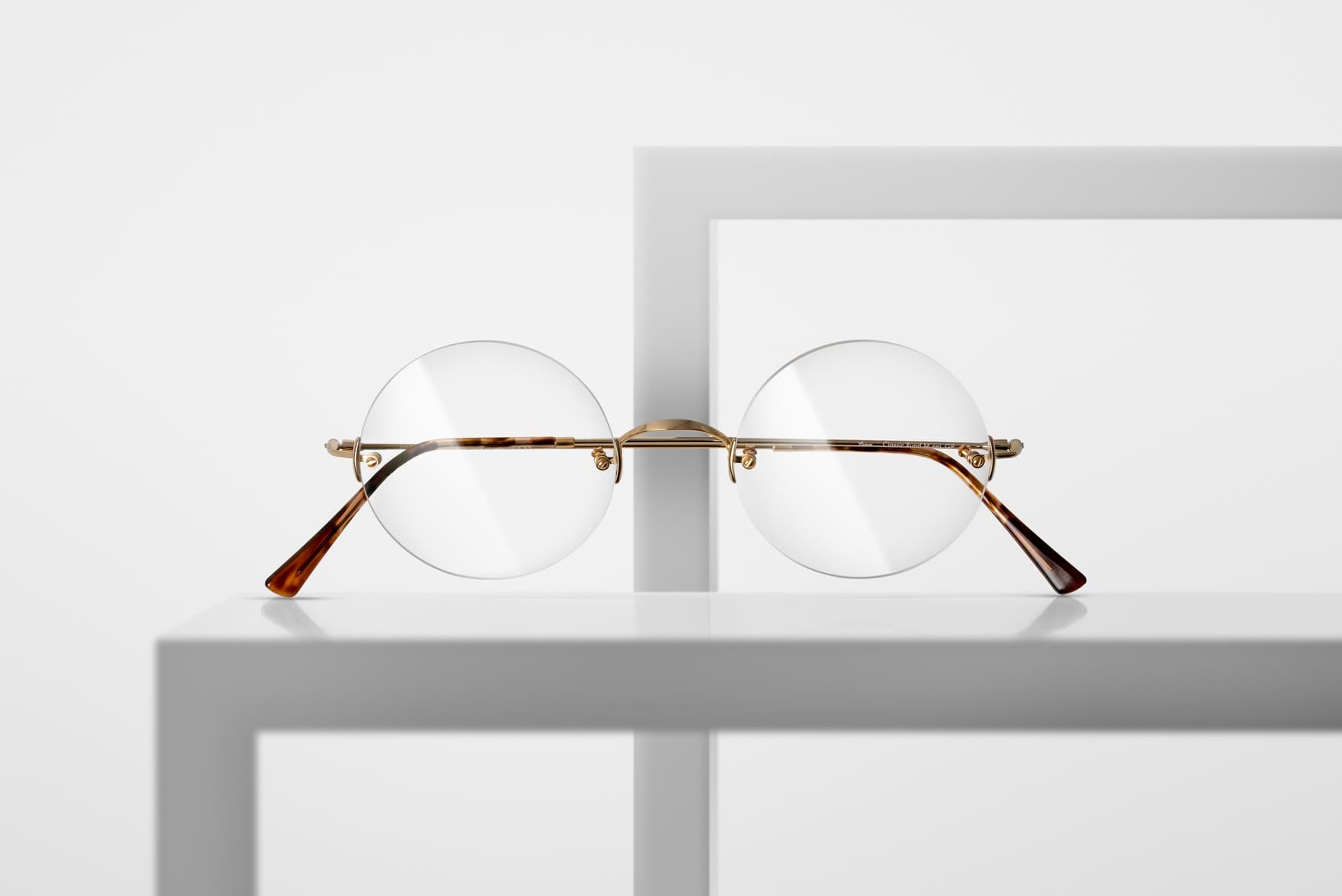
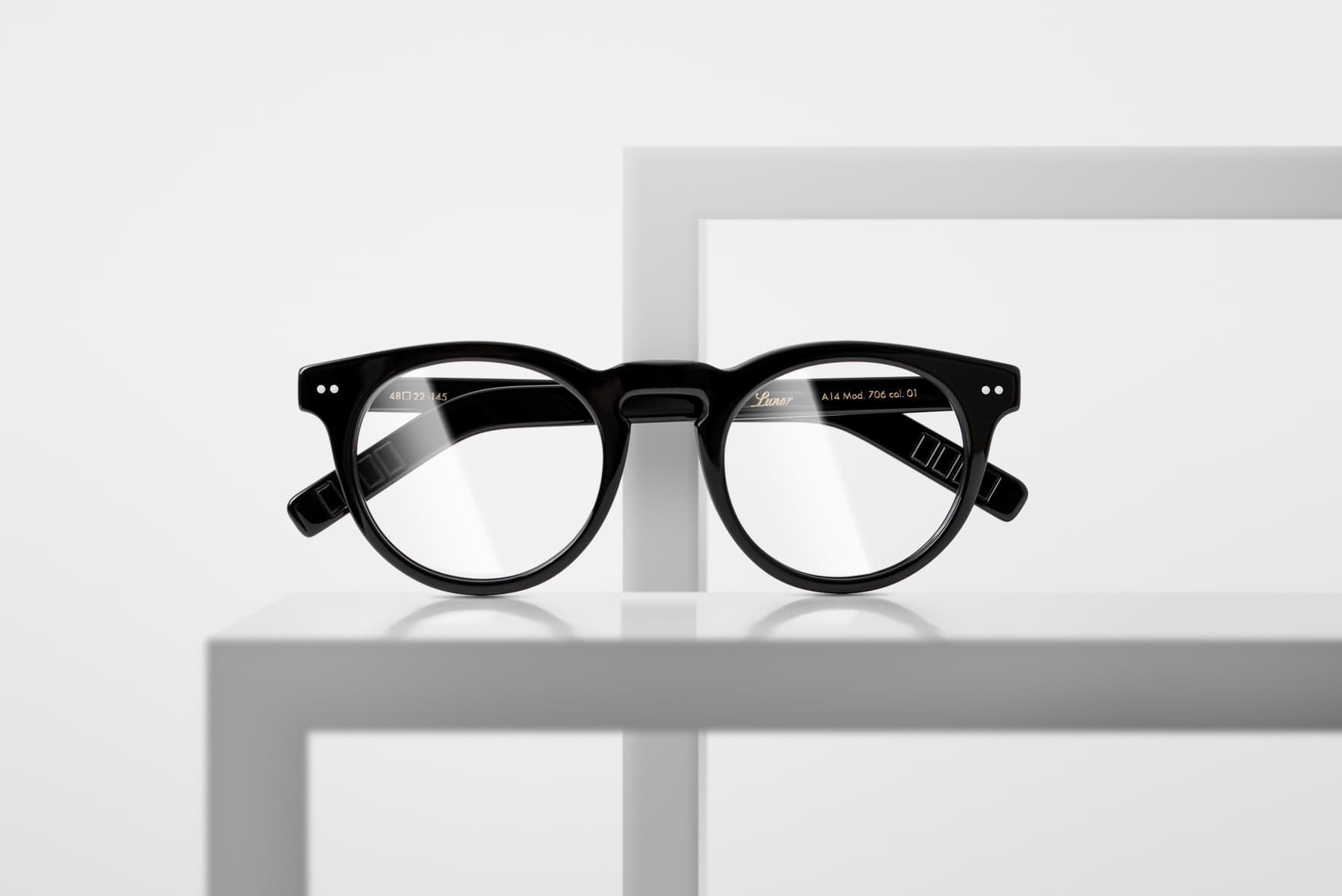
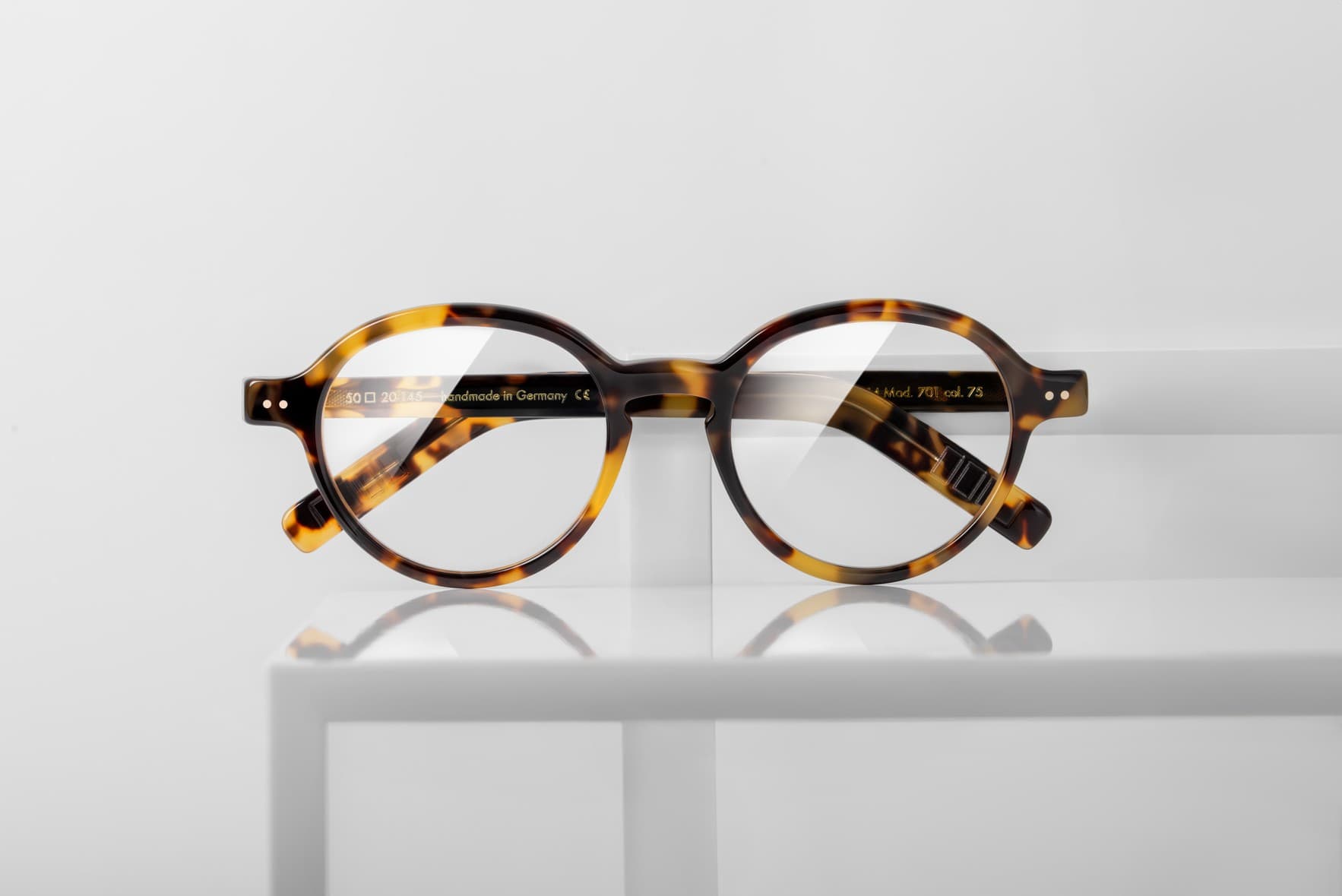
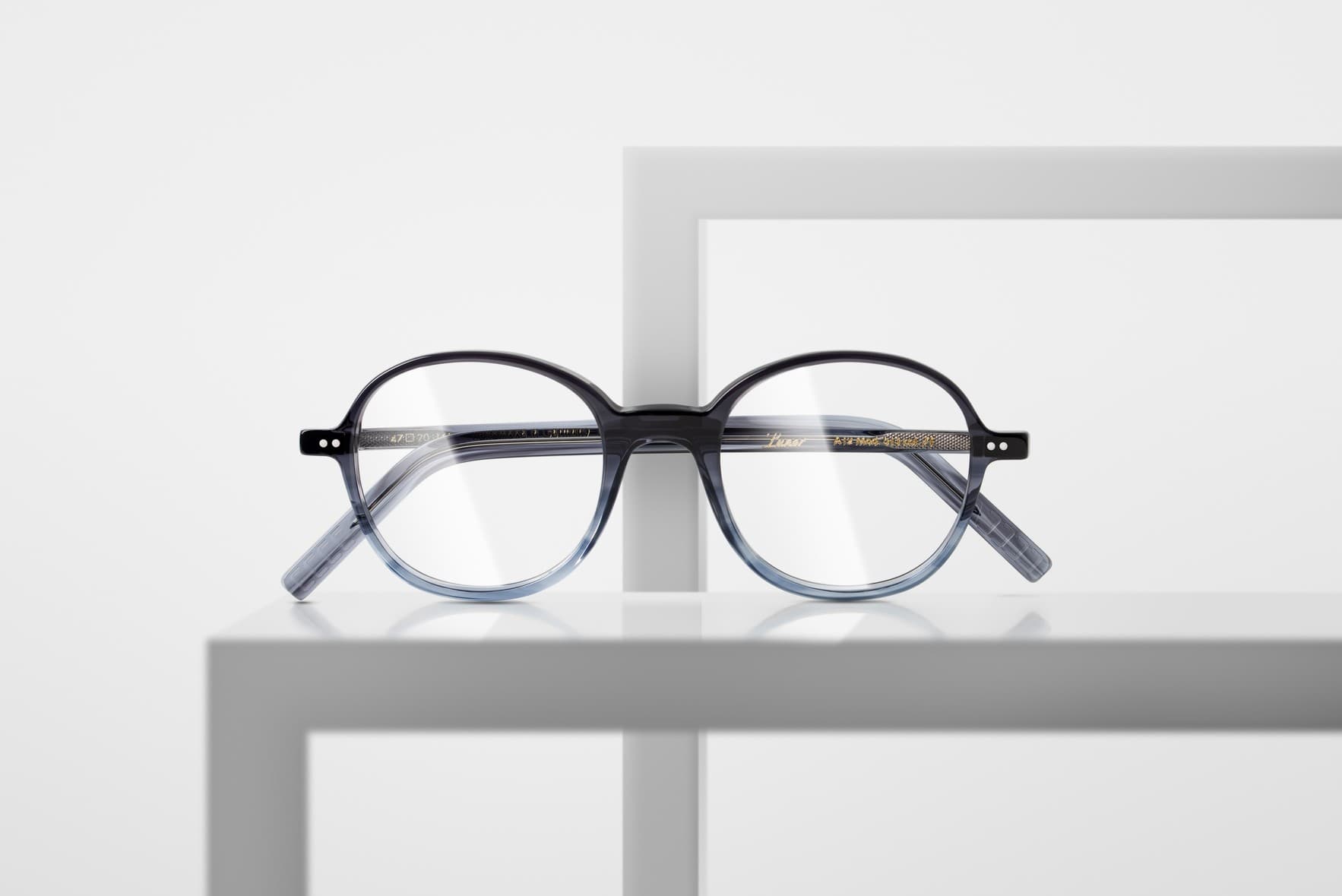
Round frames have a clear, soft geometry. In fine metal, they often feel pared back and intellectual. In bold acetate, they become more visible and more expressive.
Just a few millimetres can change their effect. An almost perfect circle feels deliberate; a slightly elongated round shape appears more understated. Round frames can soften angular features or consciously echo the gentle lines of a round face.
Angular frames: clarity and structure
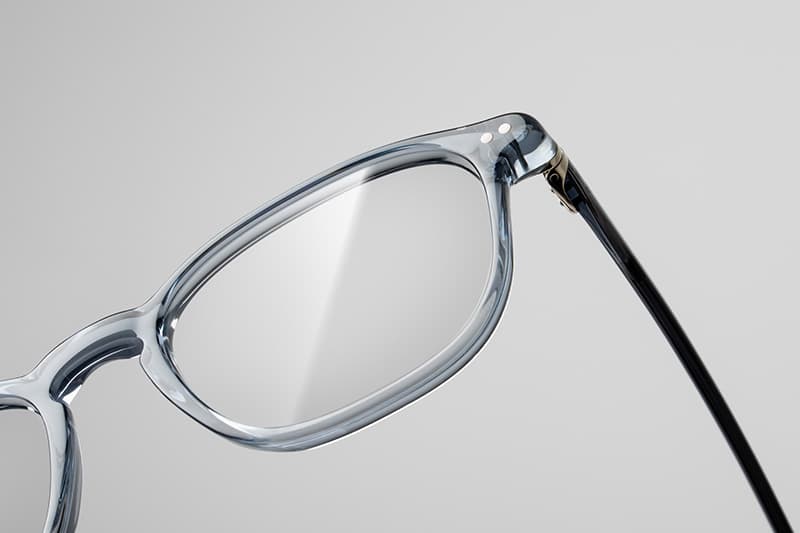
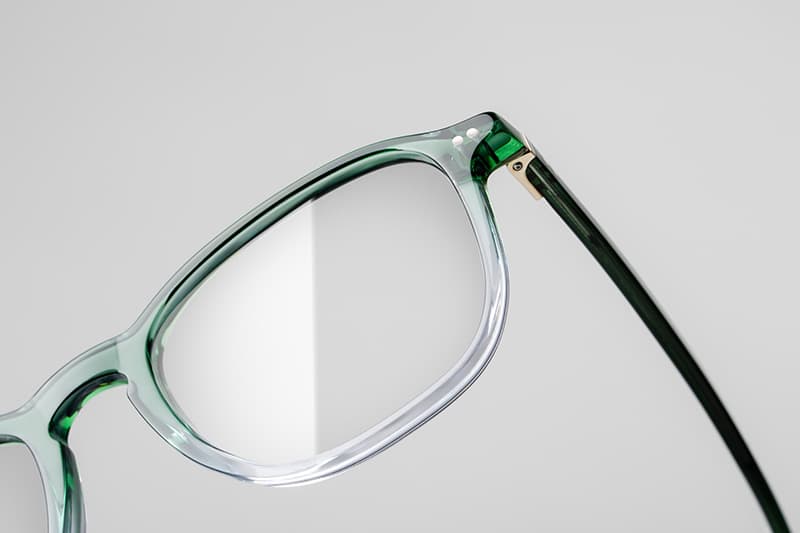
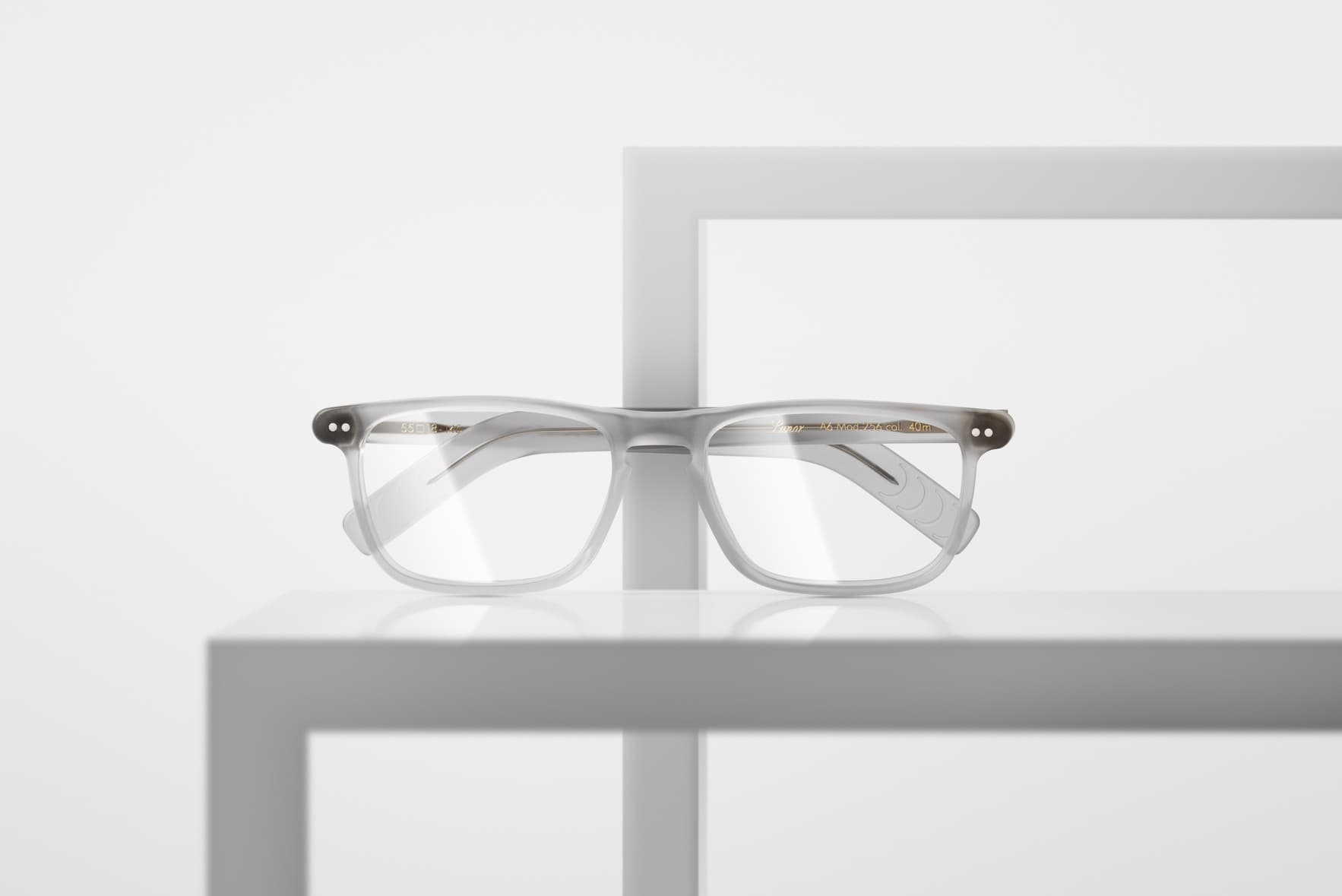
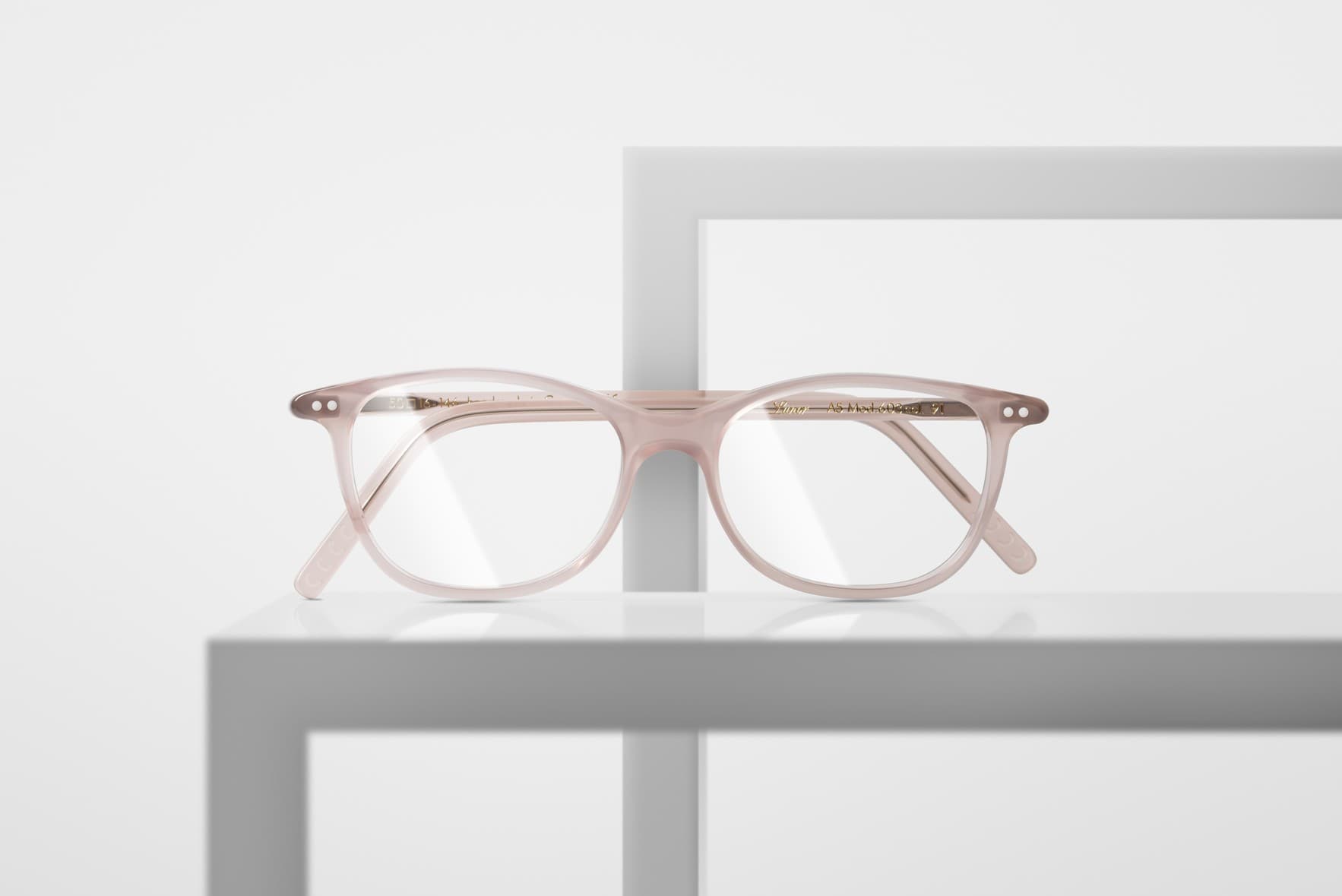
Angular frames range from slim rectangles to generous, almost square shapes. Straight lines give the face definition and, depending on the material, can appear precise, modern or distinctive. Sharp corners are not essential. Many angular frames combine a clear basic shape with softly rounded transitions, preserving the structure without looking severe.
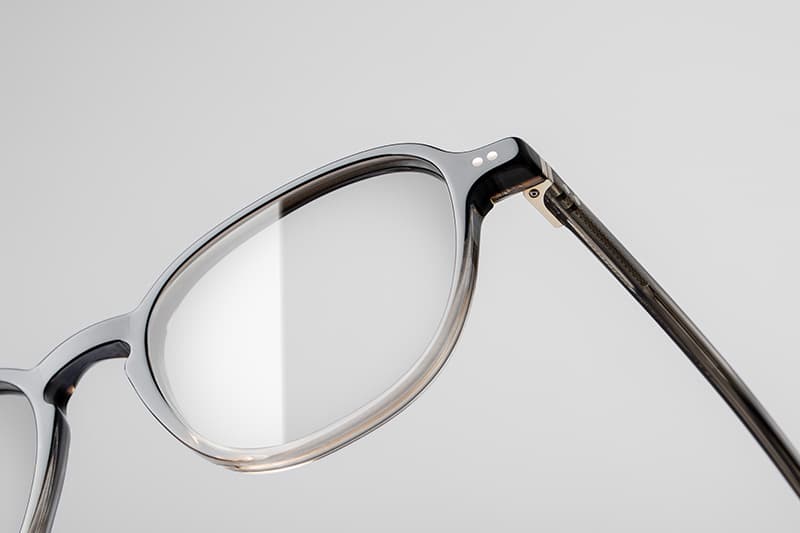
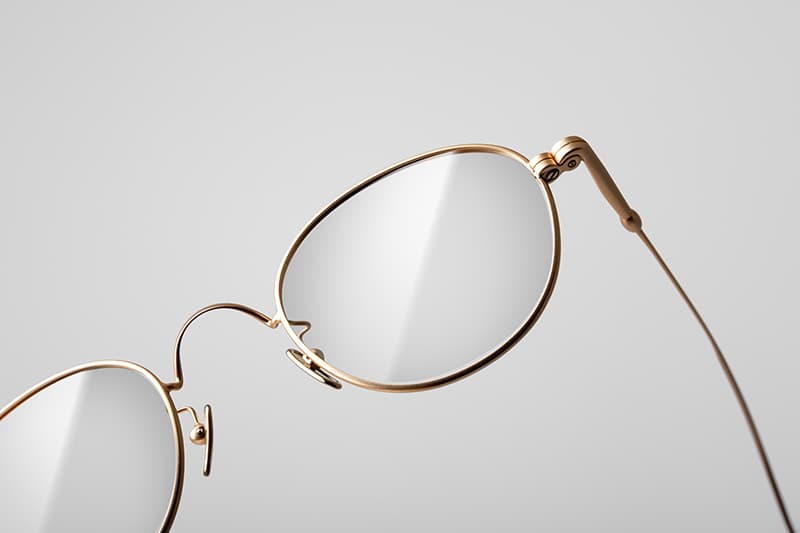
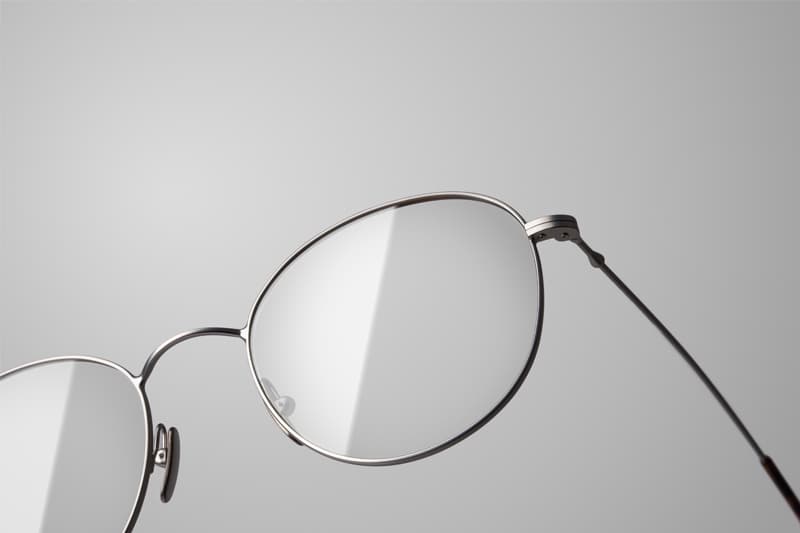
Panto: the versatile classic
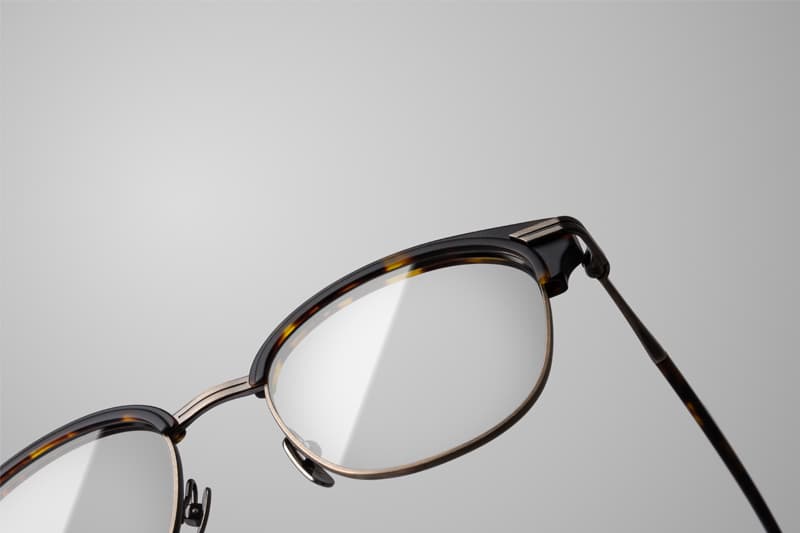
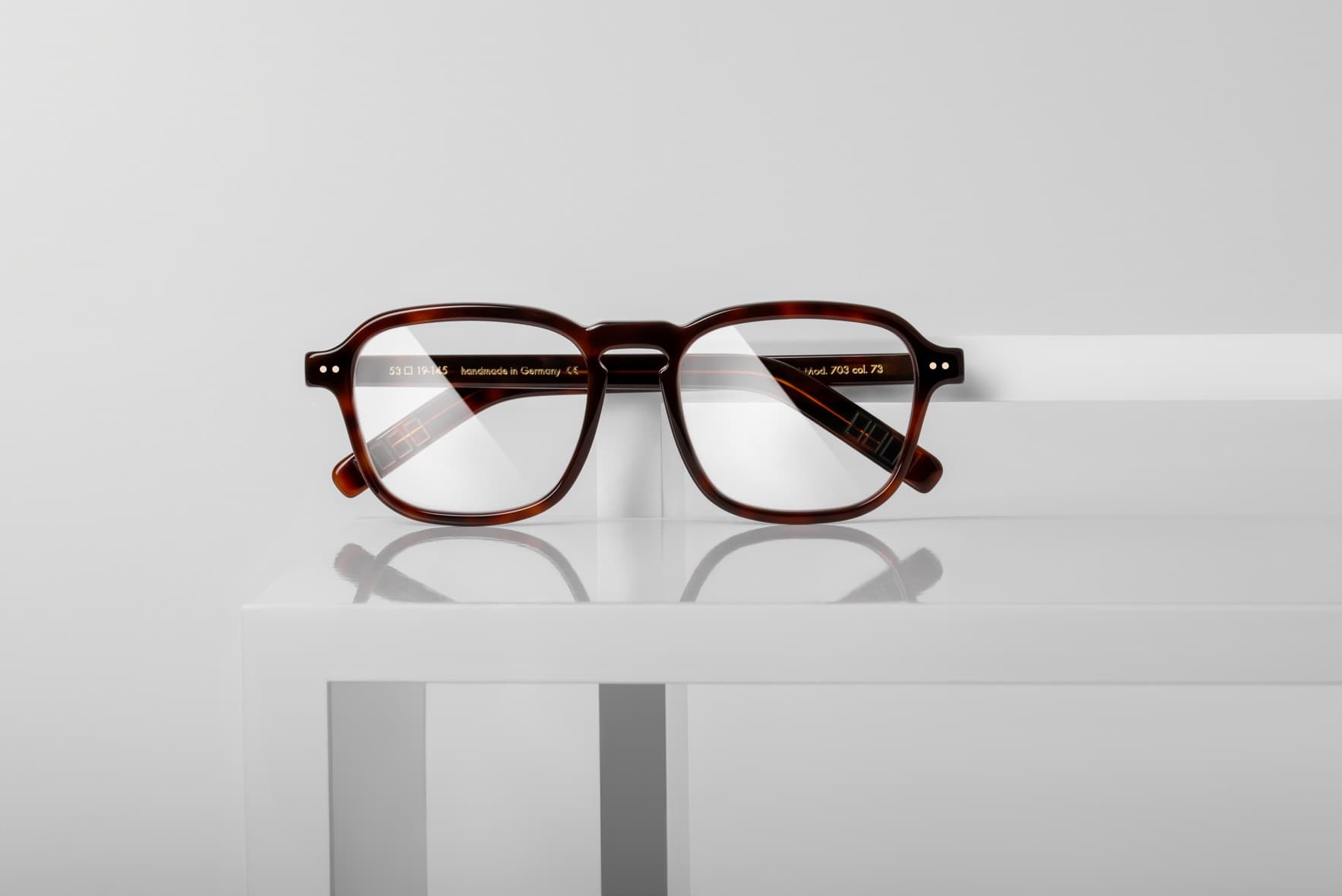
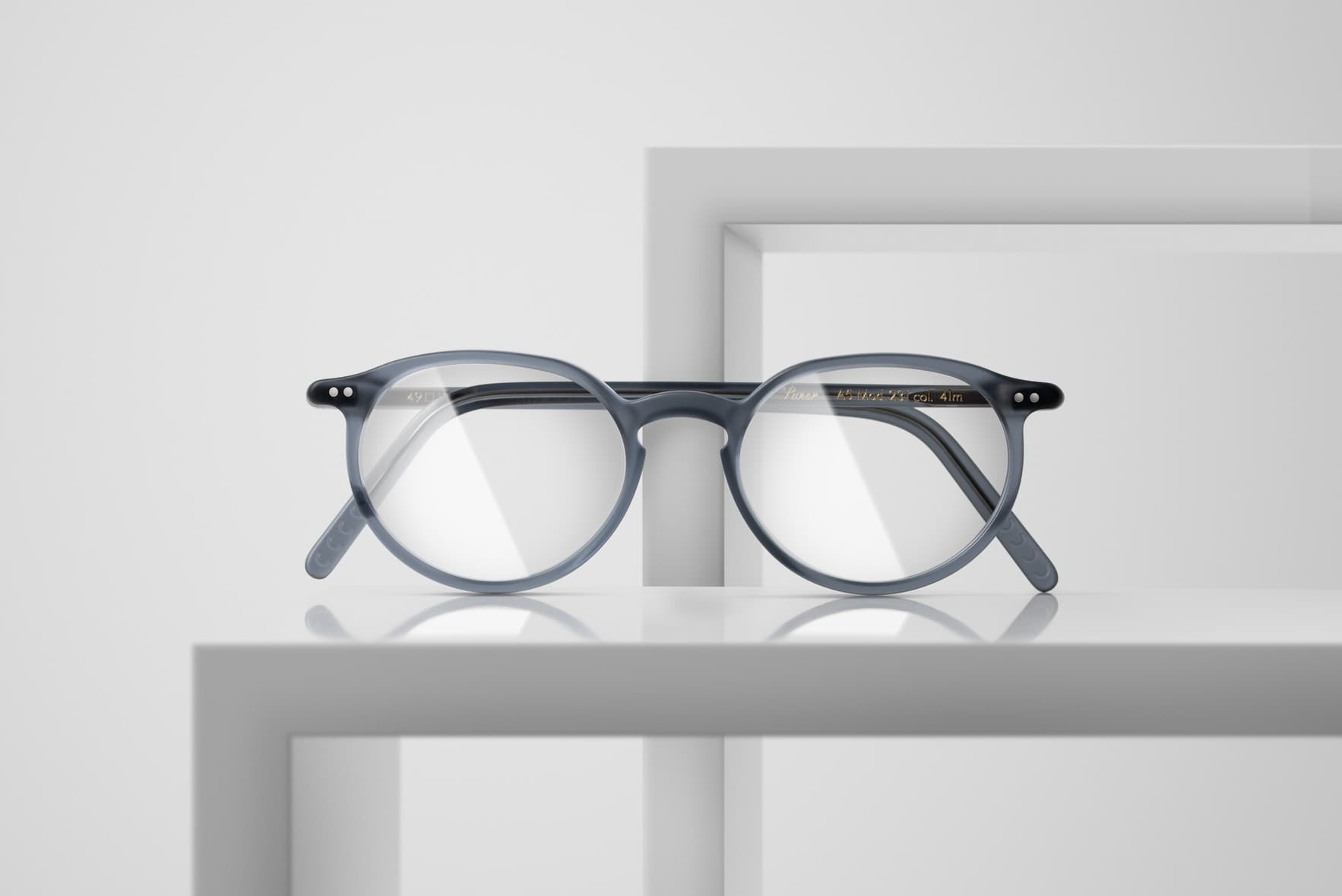
The panto shape is rounded at the bottom and slightly flattened at the top. Often, the upper section is a little wider than the lower one. This balanced geometry follows the eye area and leaves sufficient space in the lower part of the lens. Panto frames feel familiar without being ordinary. In a fine execution, they recede behind the wearer’s personality; with a stronger rim, they gain more presence. This adaptability makes them one of the most versatile frame shapes.
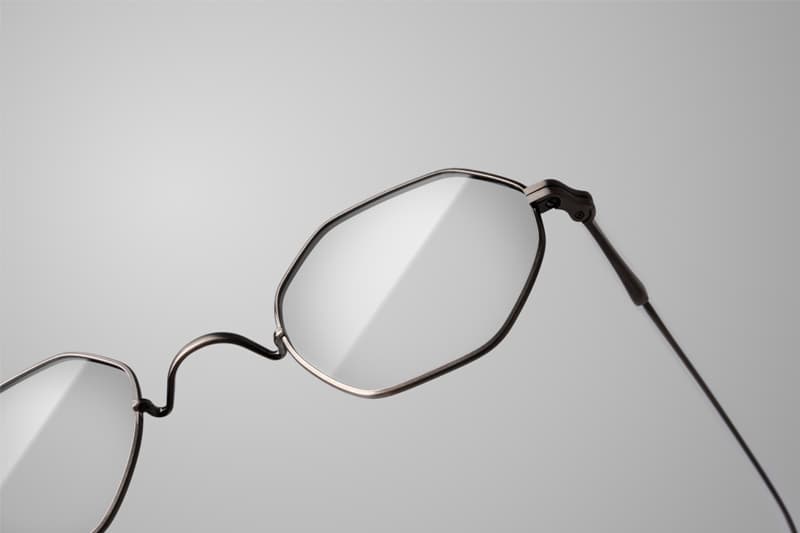
Geometric shapes: the detail makes the difference
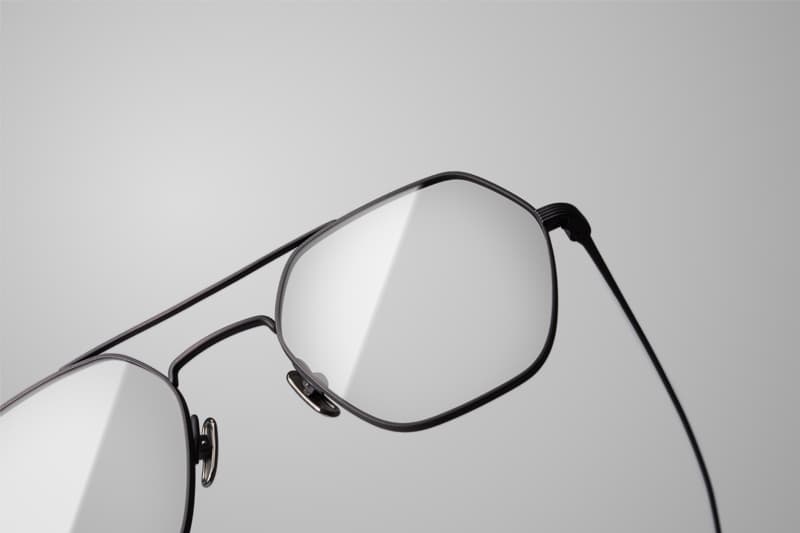
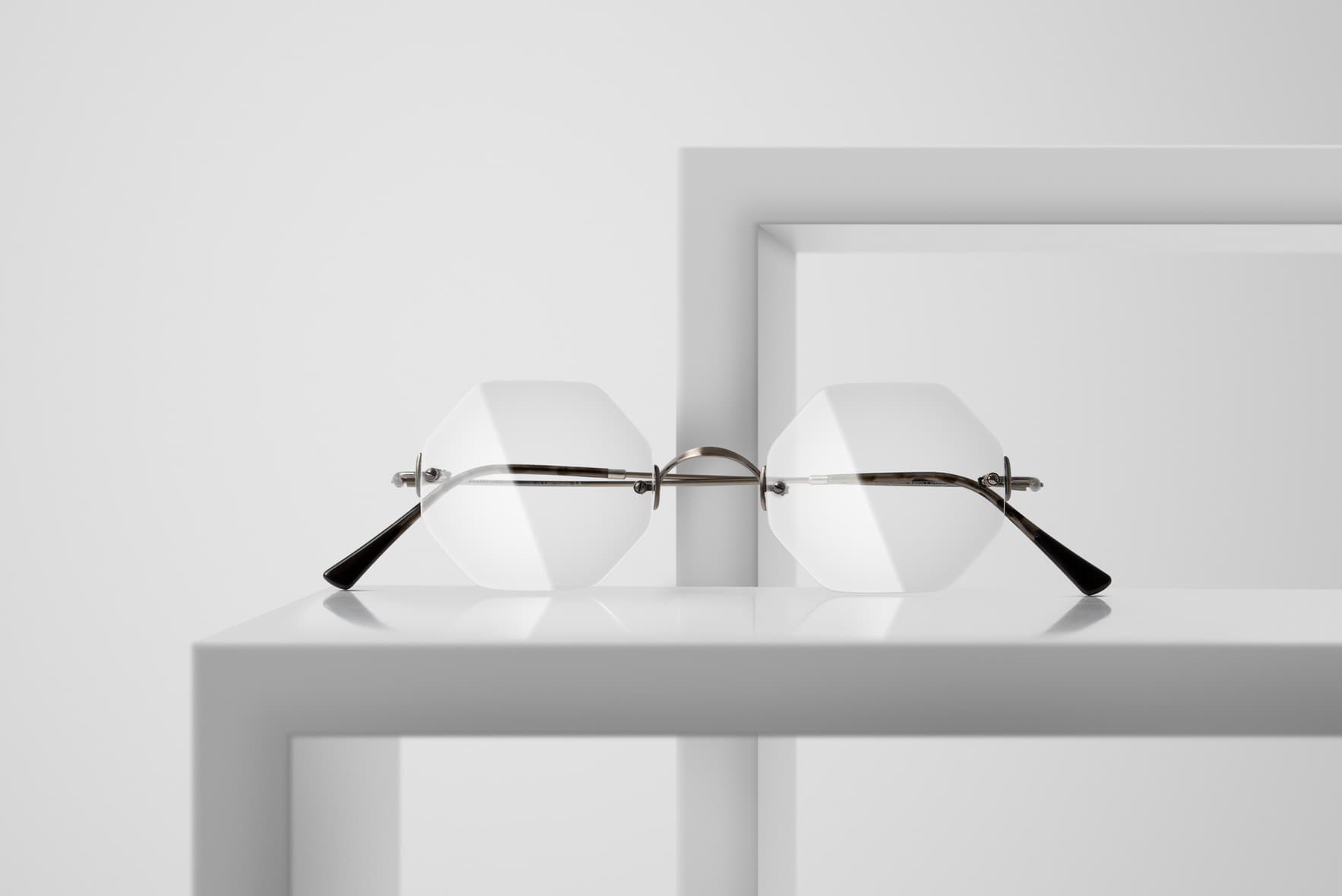
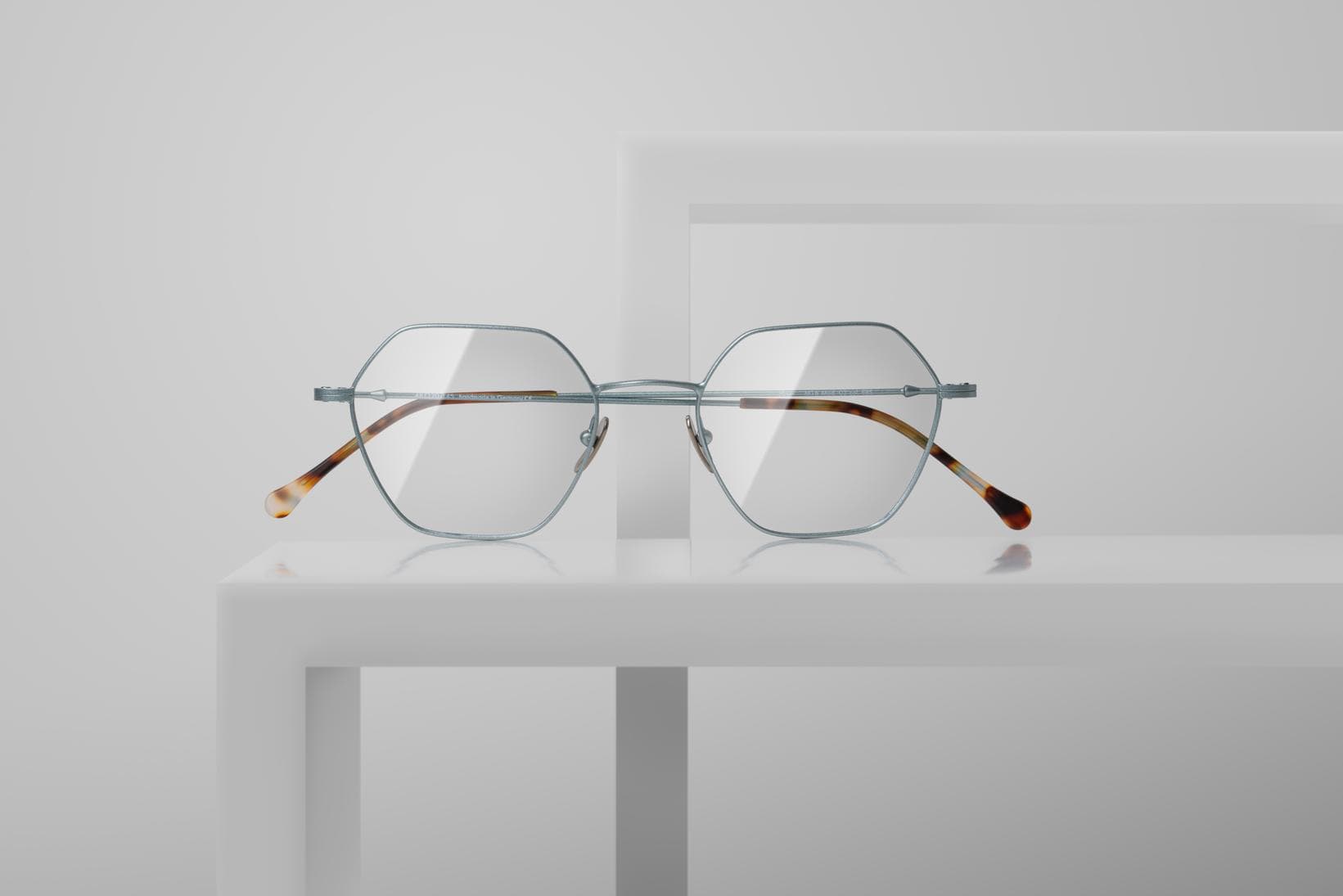
Hexagonal or octagonal frames combine curves and edges. From a distance, they often appear restrained; only on closer inspection does their particular construction become visible. This makes geometric frames appealing to those who seek individuality without overt effects.
Cat-eye and upswept shapes
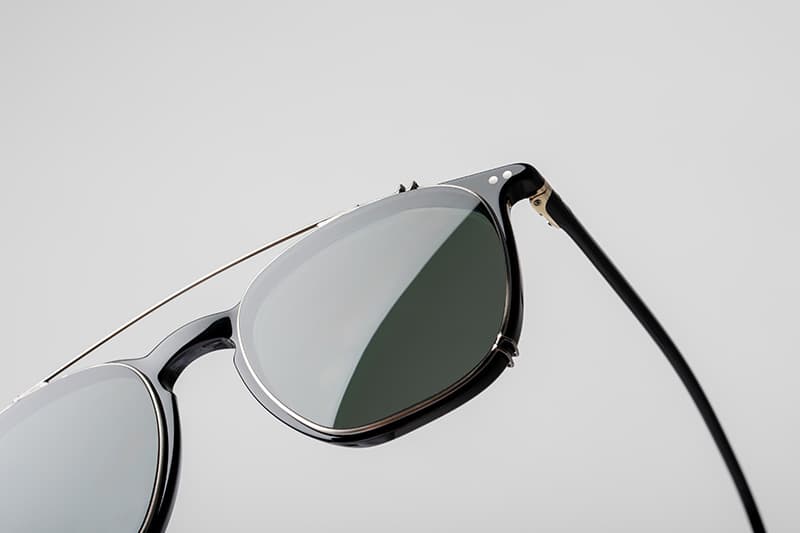
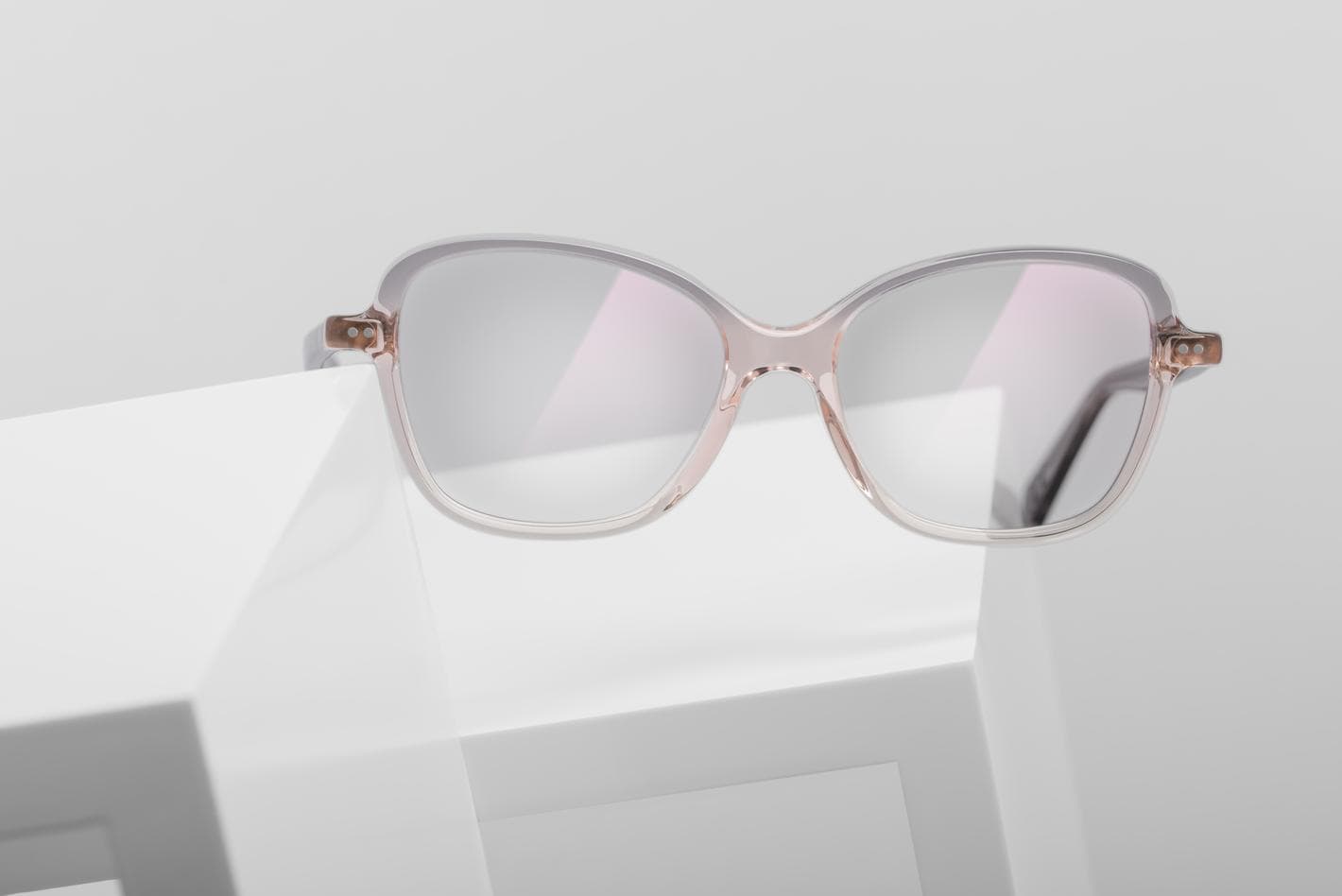
With cat-eye frames, the upper line rises towards the temples. This draws the gaze upwards and brings a sense of movement to the eye area. The effect can range from a barely perceptible lift to a deliberately defined silhouette.
Why the same frame looks different on every face
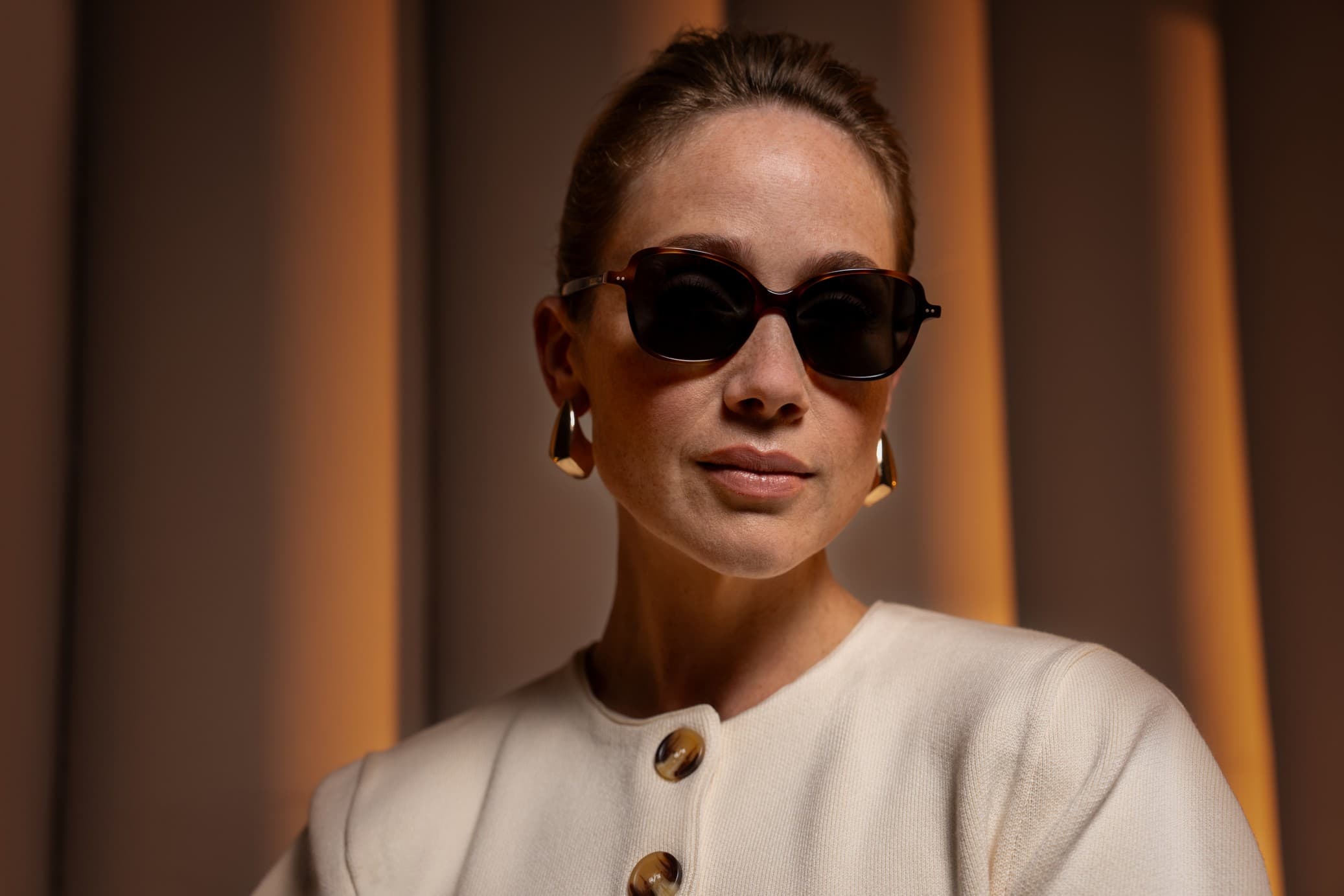
A frame shape never stands alone. Its effect is created by several factors:
- Size: Small frames feel focused; larger ones have more presence.
- Material: Metal usually appears lighter, while acetate can frame the face more strongly.
- Colour: Light and transparent tones recede; dark shades create definition.
- Bridge: Its shape and height help determine how the frame sits on the nose.
- Temple position: High or low-set temples alter the visual line.
- Proportion: Lens width and height need to suit both the face and the lens requirements.
Which shape is right?
The best shape is the one that suits the impression you want to create, your proportions and your everyday life. Use terms such as panto, oval or geometric as a shared language in consultation — not as a limit to your choices.
FAQ
What is a panto frame?
A panto frame is rounded at the bottom and usually has a slightly flattened upper line. This gives it a balanced, versatile character.
What is the difference between round and panto?
A round frame follows a more circular shape. Panto is flatter at the top and often slightly wider, which can give the shape a more anatomical feel.
Which frame shape feels timeless?
Balanced round, oval, angular and panto shapes can all be timeless. What matters is harmonious proportion and a design that does not rely solely on short-lived effects.
Author

Head of Marketing
More from the Journal

Which frame shape suits my face shape?
Which glasses suit which face shape? Discover the frames that bring out the natural harmony of round, oval, square or oblong faces.

Which glasses suit me?
Which glasses suit me? Discover the shapes, colours and materials that work for you – with advice on face shape, personal style, fit and consulting your optician.

Newsletter
Werde Teil der #Sloweyewear Community und melde dich für unseren Newsletter an.

Concierge
To your glasses in a few steps
The eyewear concierge guides you to the right frame in three questions.