


Your first pair of glasses — or a new one: where do I start?
A new pair of glasses often begins with a specific reason: your prescription has changed, your current frame no longer fits properly, or your personal style has evolved. Perhaps it is your very first pair. In that case, a clinical need meets a deeply personal design decision.
You do not need to know which model you want before your appointment with the optician. A few thoughts in advance can help you describe your needs more clearly and make your choice more consciously.
1. Be clear about when you want to wear your glasses
Will they be your everyday companion? Do you need them mainly for screen work, reading, driving or specific situations? Are they intended to complement an existing frame?
How you use your glasses will influence the choice of lenses, and may also matter when selecting the frame. A pair for everyday wear places different demands on comfort and versatility than a deliberately distinctive second pair.
2. Gather impressions, not final answers
Save images of glasses whose effect you like. Look at what they have in common: are the frames fine or bold? Round or angular? Warm, cool, dark or transparent?
Try to put your preferences into words. “Delicate and understated”, “classic with a distinctive detail” or “noticeable, but not loud” will often help in a consultation more than searching for one very specific model.
3. Think about your everyday life
Glasses need to work in motion. Do you often wear headphones? Do you move frequently between warm and cold spaces? Do you spend a lot of time outdoors? Is low weight especially important to you?
Routines matter, too. If you put your glasses on in the morning and take them off only in the evening, pay particular attention to the fit at the nose, the temples and the overall weight. If you often take them off, a sturdy case and careful handling become especially important.
4. Get to know the key materials
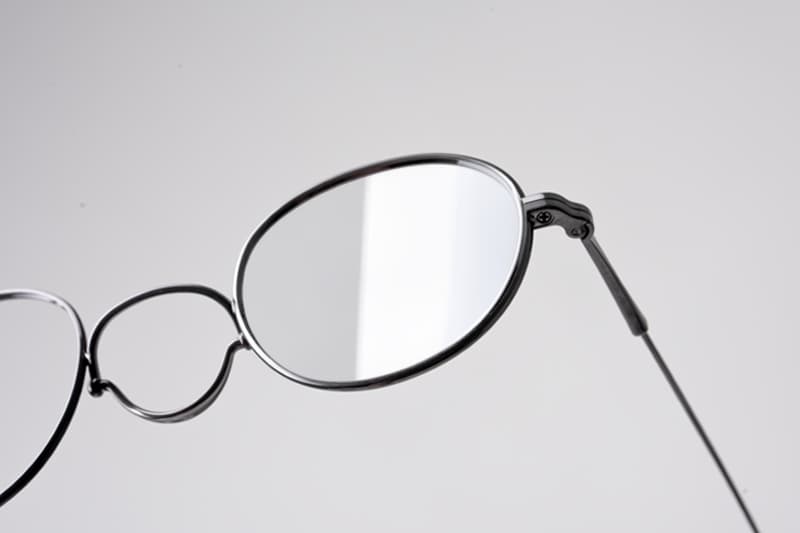
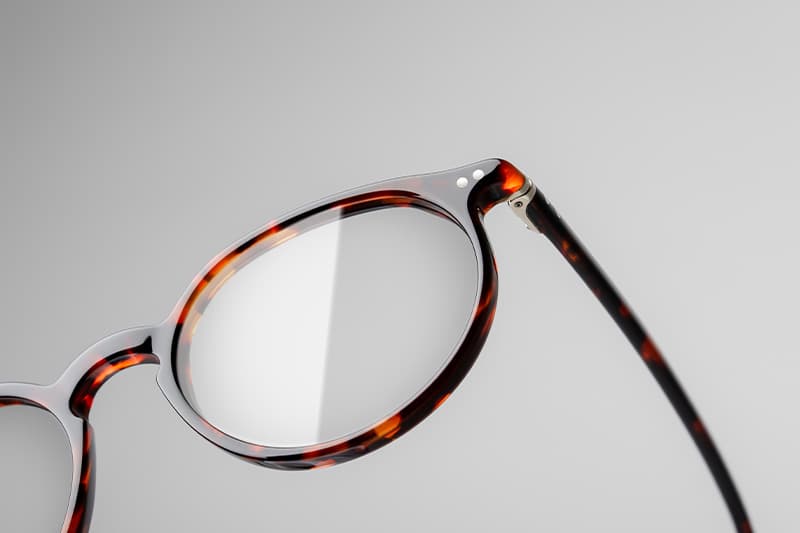
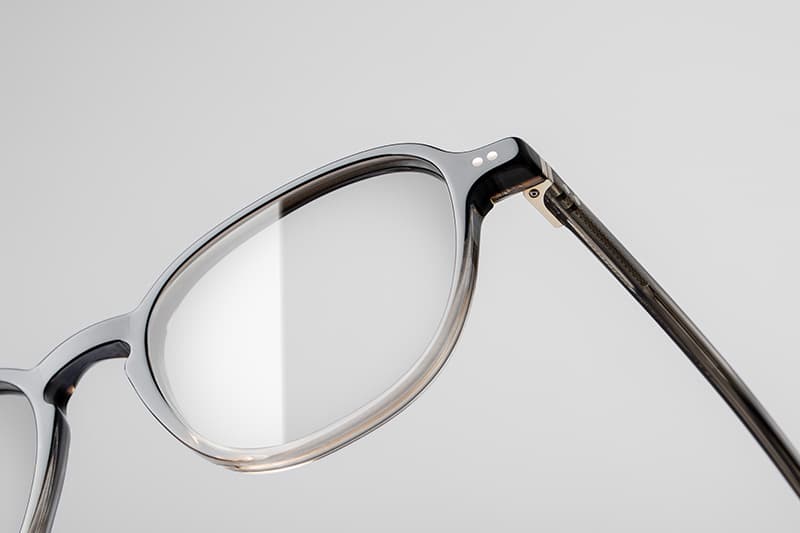
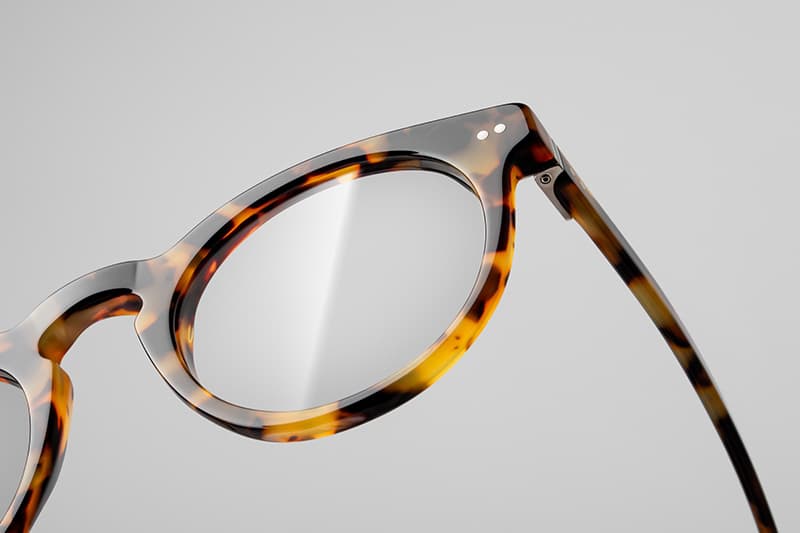
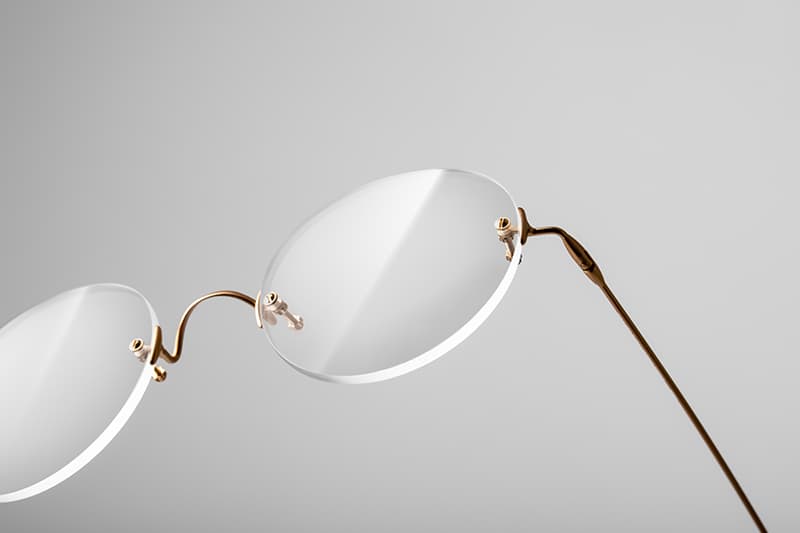
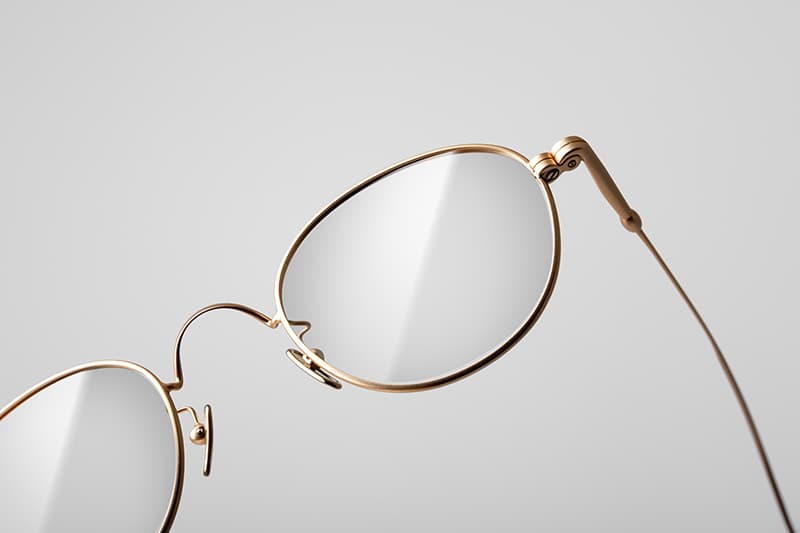
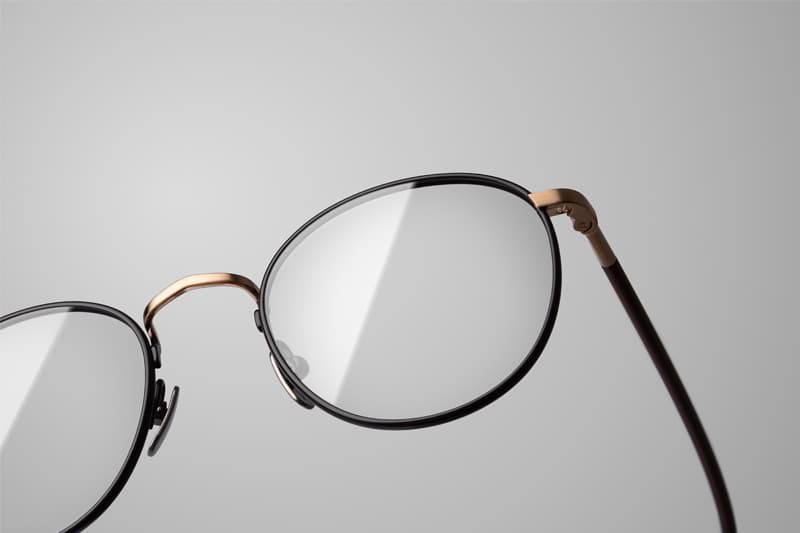
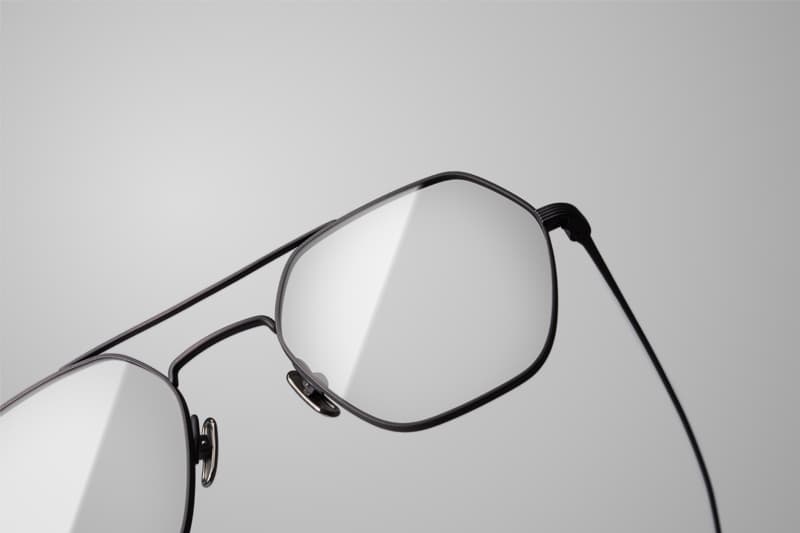
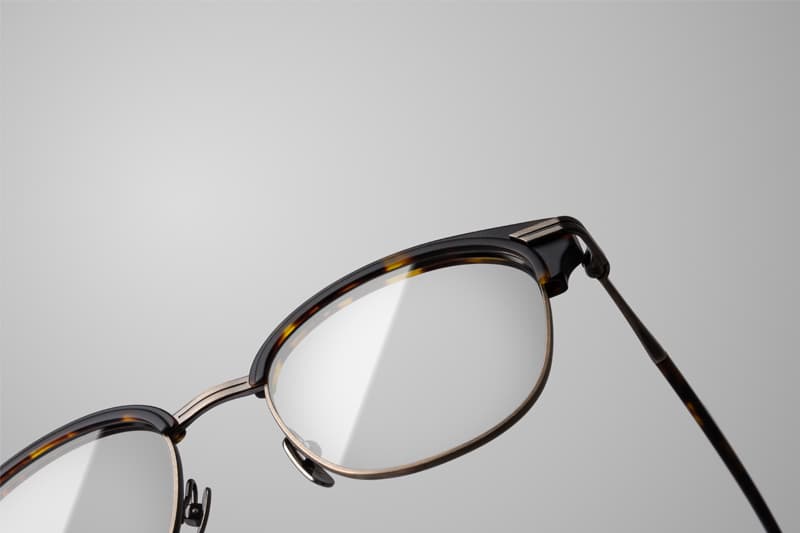
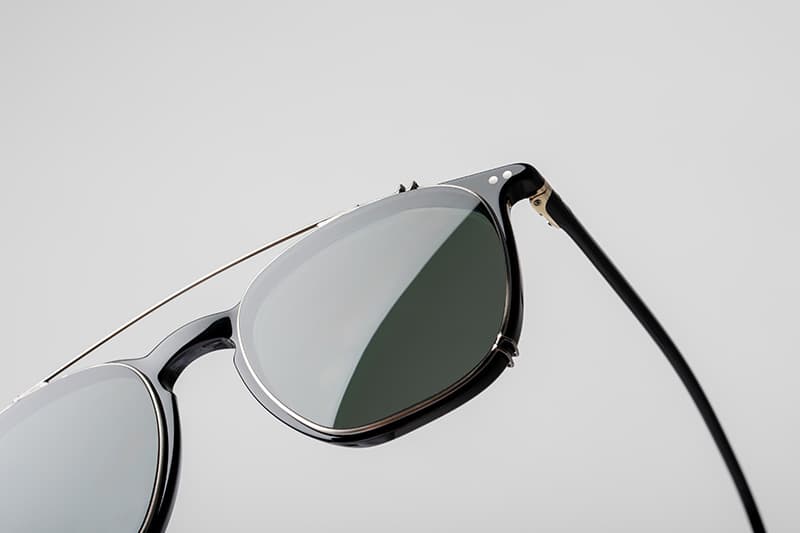
Acetate offers a wide choice of colours and finishes and can be individually adjusted by your optician. Stainless steel allows for fine, precise frames. Titanium is light, stable and an interesting choice for anyone looking for an especially lightweight metal frame.
No material is automatically the best. What matters is how it has been made and whether it suits your needs.
5. Try different shapes
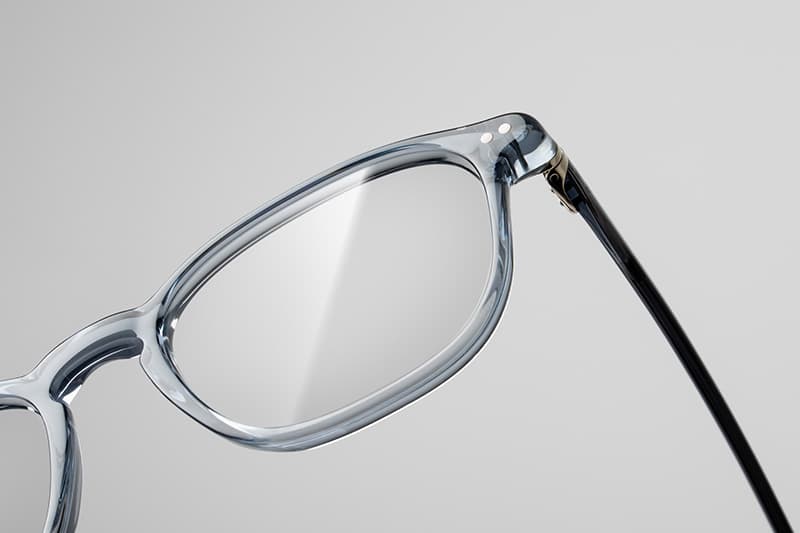
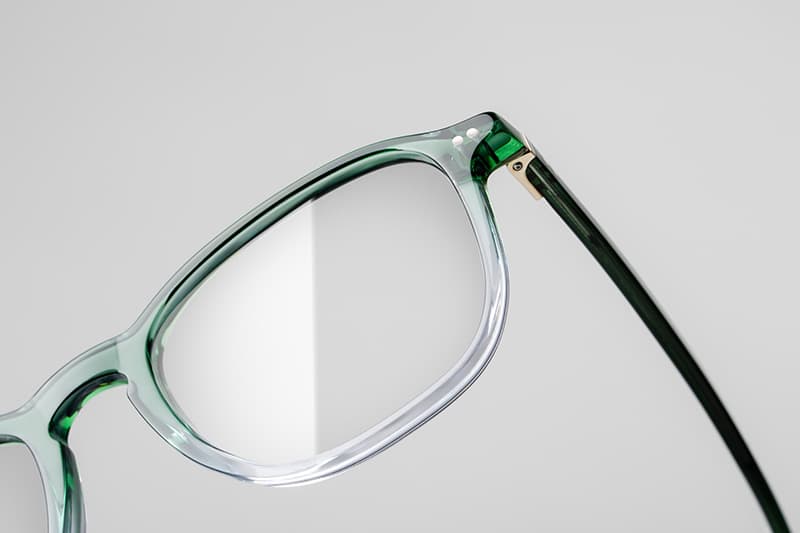
Start with the direction you know — then deliberately try the opposite. If you always choose angular frames, try a panto shape. If your glasses have always been dark, add a transparent or metal option to the mix.
Do not compare only your reflection from close up. Look at yourself from a little distance and have a photo taken. Other people see glasses as part of your whole face, not as an object in isolation.
6. Pay attention to the fit
Glasses should sit securely without creating pressure points. They should not slip the moment you tilt your head, nor be pushed up uncomfortably by your cheeks when you smile. The temples should feel comfortable, and your eyes should sit well balanced within the lenses.
Many of these details can be refined by an optician through professional adjustment. But the basic size and construction of the frame must be right for you.
7. Ask about origin, service and spare parts
If you want to wear your glasses for many years, look beyond the purchase itself: where and how was the frame made? How should it be cared for? Can parts be replaced? Who should you contact if a repair is needed?
A good optician does more than help you choose. Later on, they can clean your glasses, realign them, adjust them and coordinate repairs.
What to take with you to your optician’s appointment
- your current glasses or several frames you already own,
- images of shapes and styles you like,
- information about when and where you typically wear your glasses,
- a short list of your wishes and any problems you have had before,
- enough time for comparison and adjustment.
The right pair of glasses comes from vision, comfort and personality. You do not need to know the answer before your first appointment. You only need to know which questions matter to you.
Author

PR Managerin
More from the Journal

Which glasses suit me?
Which glasses suit me? Discover the shapes, colours and materials that work for you – with advice on face shape, personal style, fit and consulting your optician.

Which frame shape suits my face shape?
Which glasses suit which face shape? Discover the frames that bring out the natural harmony of round, oval, square or oblong faces.

Round, angular or panto? A simple guide to frame shapes
Round, square or panto? Discover the key frame shapes and find the one that suits your face and personal style.

Newsletter
Werde Teil der #Sloweyewear Community und melde dich für unseren Newsletter an.

Concierge
To your glasses in a few steps
The eyewear concierge guides you to the right frame in three questions.